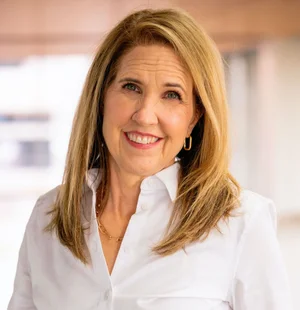
Episode 136: How People Pleasing Makes You Lose Yourself in Marriage

Are You Losing Yourself Trying to Keep Your Marriage Happy?
When People Pleasing Makes You Lose Yourself in Marriage
At the beginning of a relationship, doing things for your partner often feels effortless. You want to make them happy. You enjoy seeing them smile.
You might even discover new hobbies, interests, or experiences because of them.
But over time, something subtle can happen.
What starts as generosity and love can slowly turn into people pleasing. And when that happens, many people begin losing touch with themselves without even realizing it.
The Difference Between Love and People Pleasing
There’s nothing wrong with doing things that matter to your spouse. Healthy relationships require compromise, flexibility, and consideration.
The problem begins when you repeatedly ignore your own needs, preferences, and feelings to keep the peace or avoid disappointing your partner.
You stop saying what you really think.
You stop expressing what you really want.
You start saying, “I don’t care,” when deep down, you do care.
Over time, those small moments add up.
Many people don’t wake up one day and suddenly lose themselves. Instead, it happens through a series of tiny decisions to stay silent, go along with something,
or prioritize someone else’s happiness over their own authenticity.
The Hidden Cost of Staying Silent
One of the biggest dangers of people pleasing isn’t what it does to your relationship—it’s what it does to your relationship with yourself.
Every time you pretend to enjoy something you dislike, suppress an opinion, or agree to something that doesn’t feel right, you send yourself a message that your voice doesn’t matter.
Eventually, you may stop trusting yourself altogether.
Some people become so disconnected from their own preferences that when someone asks what they want, they genuinely don’t know.
Where do you want to eat?
What do you want to do this weekend?
What matters most to you?
The answers become increasingly difficult to find.
Why We People Please
People pleasing isn’t a character flaw. In many ways, it’s a survival strategy.
Human beings are wired for connection. We want to belong. We want to be accepted. We want to feel loved.
For some people, especially those who grew up in environments where conflict felt unsafe, pleasing others can become a way of maintaining peace and avoiding rejection.
The challenge is that constantly seeking approval often creates the very thing we’re trying to avoid: distance and disconnection.
When we hide who we really are, our partner can’t truly know us.
And when we don’t feel known, we often don’t feel fully loved.
Resentment Is Usually a Warning Sign
One of the clearest indicators that people pleasing has become unhealthy is resentment.
When you continually sacrifice your own needs while expecting appreciation, validation, or reciprocity, frustration begins to build.
You may find yourself thinking:
“Why am I always the one making sacrifices?”
“Why doesn’t anyone consider what I want?”
“Why do I feel invisible?”
Often, the resentment isn’t just toward your partner.
It’s also toward yourself for not speaking up sooner.
Learning to Speak Your Truth
Being honest doesn’t mean becoming demanding, critical, or selfish.
It simply means allowing yourself to be real.
Sometimes that sounds like:
“I know you love doing that, but it’s not something I enjoy every weekend.”
“I need some time to think about what I want.”
“I see this differently than you do.”
“I’m willing to listen because it matters to you, even though it’s not my personal interest.”
Healthy relationships make room for differences.
In fact, intimacy grows when both people feel safe being themselves instead of pretending to be someone they’re not.
What If You Don’t Know What You Want?
Many people struggle with this question.
Years of prioritizing others can make it difficult to identify your own desires.
A helpful starting point is simply making small decisions.
Choose the restaurant.
Pick the movie.
Suggest the activity.
You don’t have to be perfectly certain. You’re rebuilding a connection with yourself, and that takes practice.
Self-discovery often happens through action, not endless analysis.
Slow Down When Things Feel Urgent
People pleasing often comes with a strong sense of urgency.
You feel desperate for approval.
You feel compelled to fix someone’s disappointment.
You feel pressure to make everything okay right now.
Ironically, those moments are usually when it’s most important to pause.
When emotions are running high, take a step back and get grounded.
Notice what you’re feeling.
Pay attention to where tension shows up in your body.
Give yourself space before agreeing, apologizing, or reacting.
Clarity rarely comes from panic.
Building a Stronger Relationship With Yourself
One powerful idea is that your most important earthly relationship is the one you have with yourself.
When you know who you are, what matters to you, and how you want to show up in the world, you become more capable of creating healthy relationships with others.
You no longer need to earn love by abandoning yourself.
You can be kind without being compliant.
Generous without being resentful.
Supportive without disappearing.
The Goal Isn’t Perfection
People pleasing habits don’t disappear overnight.
The goal isn’t to become fearless or perfectly assertive.
The goal is simply to become more honest—first with yourself and then with the people you love.
Every time you choose authenticity over approval, you strengthen your sense of self.
And when two people bring their authentic selves into a marriage, something powerful happens.
The relationship becomes built on truth rather than performance.
That’s where genuine connection, trust, and intimacy begin.

-
0:00
Unpacking People Pleasing: Personal Stories and Expert Insights
Which is great if you're always scratching mine after I scratch yours.
But when you don't scratch mine back, guess what happens to me?
0:06
Speaker 2
But the bigger part in my opinion is are lying to ourselves, pretending I love Pac-Man when I don't.
And then I start chipping away at my relationship with myself because I keep pretending I'm OK with something I'm not.
I see a lot of times where one person start to shrink and stop having a voice.
0:22
They stop having an opinion.
Where do you want to go eat?
I don't care.
What do you think about something?
It doesn't matter to me.
What I teach is anytime you have a sense of urgency is a time to actually not do it.
So if I urgently want you to see me differently, then I need to stop.
Or if I'm urgently beating myself up, I need to stop.
0:40
Anytime there's a sense of urgency, I'm not in a grounded place.
0:45
Speaker 3
Welcome to Marriage IQ, the podcast helping you become an intelligent spouse.
0:51
Speaker 1
I'm Heidi Hastings.
0:52
Speaker 3
And I'm Scott Hastings.
0:54
Speaker 1
We are two doctors, 2 researchers, 2 spouses, 2 lovers, and two incredibly different human beings coming together for one purpose, to change the stinky parts of your marriage into scintillating ones using intelligence mixed with a little fun.
1:16
Speaker 3
Welcome back lovers to another exciting episode.
Heidi, when we first dated, did you like doing things for me?
1:26
Speaker 1
Yes, all the time.
Loved it.
1:28
Speaker 3
You didn't think twice about it?
No.
You wanted to please me?
Yes.
Do you still love doing things for me now?
1:36
Speaker 1
I do, but sometimes I say yes to things that I think you'll like when really it's not so much what I want to do more.
I'm doing this so you will do this for me.
1:52
Speaker 3
I see.
I scratch your back, you scratch mine kind of thing.
1:55
Speaker 1
Which is great if you're always scratching mine after I scratch yours.
But when you don't scratch mine back, guess what happens to me?
2:02
Speaker 3
Uh oh.
Resentment.
2:05
Speaker 1
Yep, burnout.
We have an expert here today who's going to help us navigate what this looks like in marriage.
We have Diane McDowell.
Diane has been a therapist and also a coach for 25 years now.
2:22
She has created the Brain and Heart Code to help couples with their relationships when they feel like their brains have kind of been hijacked.
So welcome, Diane, and thanks for joining us today.
2:36
Speaker 2
Thank you, I'm so excited to be here.
2:39
The Hidden Cost of Pretending: Losing Your Authentic Self
Was what we were talking about is that people pleasing?
Do you see that a lot with your clients?
2:44
Speaker 2
Yes, I do.
And here's the thing.
When we first meet somebody, we want them to like us.
So we will say yes to things we don't really necessarily like to do.
But maybe at the time we're so infatuated with them and wanting them to like us that we actually are OK with it.
3:00
The problem becomes when we no longer are OK with it and we start losing ourself.
So what you guys were talking about, it's not a problem to do what somebody else wants to do until you start losing yourself and lying to yourself and breaking your relationship with yourself when you do that.
3:20
Speaker 1
OK.
I think in my first marriage, I remember when I was dating, standing for hours by video game machines, the quarters were lined up and just acting so impressed that Pac-Man, you know?
3:38
Speaker 3
Honey, you are really dating yourself here.
3:42
Speaker 1
I am, that's true.
But the whole time I was sitting there thinking, act happy, act like you're so impressed.
And I really hate this.
There's nothing more boring I could think to be doing.
So I guess are you saying, Diane, that in that moment I kind of lost myself?
3:59
Speaker 2
Yeah, So what we're talking about here is being honest with yourself about, hey, I'm standing here and doing Pac-Man because it's important to him, not necessarily important to me.
But when we pretend and lie, it's kind of like we are pretending we're on the same book and same page, but then later we switch books and we're like, hey, I actually hate Pac-Man.
4:16
I was just pretending that and it's not good for the relationship because we've lied to ourselves.
We've lied to them and then we're like, no, I really don't like hiking or no, I really don't like boating.
I just pretended that for you that.
4:28
Speaker 1
Reminds me of the movie Love Hard where the girl falls in love with this guy and so she totally tries to say that she loves hiking and she's dying because she doesn't know how to do any of those things.
All right, I didn't go well for her.
4:43
Speaker 3
Didn't end well, no.
4:45
Speaker 2
So there's two parts that it's a problem is that we're lying to them or building a relationship with them where they think it's genuine and it's not.
But the bigger part in my opinion is are lying to ourselves, pretending I love Pac-Man when I don't.
And then I start chipping away at my relationship with myself because I keep pretending I'm OK with something I'm not well.
5:04
Speaker 3
Hold on here, Diane.
What if I don't know?
I don't like Pac-Man?
What if I think I don't know it, but I might crack open that door of wanting to learn how to like it?
What do you do with that?
5:16
Speaker 2
So what I would suggest is you're not lying to yourself until you start pretending you're OK with what you're not.
So if you're like, I don't know, let me try this.
Maybe bowling is my thing.
Let's try bowling.
Then you're not lying to yourself.
When you start saying, yes, I want to go bowling, but you really don't like it, that's when you're tipping away at your relationship with yourself.
5:36
That's when you're lying.
5:38
Speaker 3
Is that what happened?
When you asked me the other night to tell you all about climate change, I did notice your eyes glaze over after about 13 minutes.
I'm like, wait a minute, I'm just getting started.
5:50
Speaker 1
Well, I got to dip a toe in very cautiously and grow into it, I think.
But also, I mean, there's something to be said for wanting to show interest in something that's important to your spouse, right?
Diane, how do you navigate that?
6:05
Speaker 2
My husband could talk literally for 20 minutes about different tires, tread depth for snow, for water.
He could get into that and have a conversation and I can listen because it's important to him, but being honest with myself that I don't care about tires, but I will listen because of him.
6:22
So he's trading stock and he has been for a while.
When I run down at lunch, he'll tell me about the stock that he traded and how much he made.
And I can be excited because he's excited, but I don't pretend that I'm excited about stock myself.
6:36
Speaker 1
I like that, that that's the difference.
See, I can get excited when you're talking about stock market.
6:42
Speaker 3
Just not climate change.
6:43
Speaker 1
Climate change I'm a little more hesitant on, but that gives me a really good framework to view that with.
I'm excited that you're excited, so tell me what excites.
6:51
Speaker 3
Well, I think it's just because it's a controversial topic and I love controversy.
What can I say?
6:55
Speaker 1
And I don't, but I love how Diane has shared with us to to navigate that.
7:02
How People Pleasing Leads to Shrinking and Resentment
So Diane, what other areas do you see people pleasing showing up in marriages?
7:07
Speaker 2
I see a lot of times where women start to or one person, it's not necessarily always the woman start to shrink and stop having a voice.
They stop having an opinion.
Where do you want to go eat?
I don't care.
What do you think about something?
It doesn't matter to me.
And so because a lot of times we're conflict avoidant, we stop speaking our truth and we're people pleasing, we're pretending we're agreeing with something we don't really.
7:31
And every time we do that, we break our relationship with ourselves.
I use the analogy of a dimmer switch on a light.
You dim your switch, you dim yourself down.
And so learning how to speak your truth and turn it back up and not be afraid.
We don't have to agree.
7:46
Speaker 3
All right, Diane, what if you don't know your truth?
Like seriously, what if we don't know ourselves?
What if I've really asked my wife where she wants to go to dinner and she honestly doesn't know what?
7:57
Speaker 2
I encourage people to do is make a decision anyway because a lot of times we stop making decisions.
We start getting smaller and smaller and we stop making decisions.
So even if you don't know, make a decision.
For me, I'll be like anywhere has a chicken salad, so I'll pick somewhere that has a chicken salad.
So to me, it's about learning your truth.
8:15
So here's an example.
My husband loves going boating.
I for years went boating.
I thought I liked it.
Over the last probably 2 1/2 to three years, I started realizing I really don't like going boating every weekend.
8:28
Speaker 3
Oh, every weekend.
8:29
Speaker 2
I mean, he literally would go every weekend.
We have a houseboat we put in the water and we leave in the water and he'll he'd go every weekend.
And I finally had to be honest and say it is not doing it for me.
I feel depleted after a weekend out in the boat and I can go once a month, I can go every so often, but it is not something I'm willing to go every weekend.
8:47
Speaker 3
How did that feel when you told him that?
8:49
Speaker 2
It was hard because that was part of the deal.
When we got together, we boated, we jet skied, we did all that and I changed the book on him.
This was the book he was reading and he was like, wait, this is what we agreed to.
You just changed that on me.
But as I started to learn that about myself, I was like, this really isn't where I want to spend every weekend.
9:06
Speaker 1
There are things that you're not able to do that are of interest to you when you're constantly doing what the other person thinks you want to do that maybe you really don't, right?
9:16
Speaker 3
So I'm assuming that ended up being a fairly difficult conversation.
9:20
Speaker 2
It was much more difficult in my mind, I think, than it was in reality, even though he wasn't thrilled about it.
And he's still not.
And he gets very frustrated.
He pays for the boat to be in all summer and the kids are now older and they don't want to go boating as much either because they have friends they want to hang out with.
9:37
And so he is disappointed and I have to manage my own emotions around his disappointment.
9:43
Speaker 1
Then he also has a decision to make too, right?
Does he go by himself every weekend that you're not going to go with him?
Or does he change his perspective and stay home?
9:58
Would that be people pleasing or how does that work?
10:01
Speaker 2
What I call people pleasing is when it is compromising yourself.
What ended up actually happening is he goes during the week a lot and he'll go up, be on the houseboat overnight and come home after I drop the kids off so that I can see clients all day.
So had he said, OK, since you don't want to vote, I'm just not going to vote, then that would have been breaking his relationship with himself and but he would have to decide what to do with that.
10:24
That's not my place.
10:26
Speaker 1
So he got creative with it.
That's great.
10:28
Speaker 3
So it sounds to me like you're both strong and you're both flexible.
That sounds like emotional intelligence.
10:33
Speaker 2
Yeah, it's taken work, though it wasn't always.
10:36
Speaker 3
It didn't just come landing on your lap.
It.
10:38
Speaker 2
Did not.
It took a lot of work for me to start speaking my truth and saying, hey, I know this is what you really want to do, but it also it's not working for me.
My energy goes down when I'm away from people.
We went to Alaska for 9 weeks and I was lonely.
10:55
I was like, I need to be in coffee shops, I need to be around people.
And he was like, I love this, I want to live here.
I was like so many days without seeing anybody on the roads.
I have to go be in a coffee shop.
11:07
Speaker 3
So some people might call that incompatible.
11:09
Speaker 2
You have to figure out how to make it work together you.
11:12
Speaker 3
Made it work.
Here's my point, as I think all of us are incompatible with each other, right?
It's just how are we going to deal with it?
And I think with people who people please, it's probably easier to just sweep everything under the rug and do what you're told.
11:28
Now, that could come from years and years of practice in the family of origin where you grew up.
That might have something to do with what number you were in the family, genetics, traumatic experiences.
I think that wanting to please others on the surface, as you said before, it's great.
11:49
Who doesn't want to be likable right now?
I want to please people.
I want to please you, and it's a struggle and I think it's just so easy sometimes.
It's OK.
I don't want to deal with this right now emotionally, so I'm just going to do whatever she wants.
12:04
Speaker 1
Or sometimes I think we say yes, especially women when we're exhausted, when we're burned out, when we maybe just need a moment to have some solitude.
And that can happen in lots of different arenas within marriage.
12:19
Overcoming Brain Hijack: Embracing Your Worth and Value
Do you think it mainly is women?
12:20
Speaker 1
So, Diane, part of my research for my dissertation, this was one of the findings.
So many of the women somewhere in that first part of marriage had truly lost who they were.
They had lost their identity.
They had expected the man to be the leader of the relationship of the family and self minimized.
12:42
Maybe.
Like, I think what you were saying started not having opinions on things, just gradually eroding some of the things that would have been opportunities for them to speak their truth and didn't.
And then it became more and more, and eventually many of the women came to a spot where they couldn't speak their truth about some abuse or betrayal that was going on.
13:09
They just took it.
They didn't feel like they had a voice to talk to anybody, to get help, to do things that would allow them to be true to themselves.
And so one of the big things at the end, after working through and healing some parts of themselves, they were just so empowered to say, I have a voice.
13:31
I have a voice and I can use it.
And so in my research, I only interviewed women.
But what do you find?
Women more than men?
Or are both people pleasers, just in different ways?
Or what's your experience with that?
13:47
Speaker 2
My experience is that women tend to be more inclined to people please.
Men tend to in my perception, and I think about a couple clients I have right now that I would say that's not true.
But in general men handle conflict more.
They are more comfortable with conflict today, don't tend to shrink as much with conflict.
14:07
Whereas women, because we're a lot of times told conflict is not a womanly thing, we're supposed to smile and make people happy and all this stuff.
And so when conflict comes, we tend to say whatever you want, I want because it takes courage to not shrink.
14:25
It takes courage to say, you know what, I think differently than you do politically or I think different than you do raising children.
It takes courage.
And a lot of times when you're mentally drained, you don't have that.
14:38
Speaker 3
You know, it's interesting.
I was thinking back to some of the research I've read on male and females early on, like even in the first year or two without a lot of undue environmental influence, the girls do tend to want to be accepted in a group and they tend to be deferential and they typically just show more empathy and compassion compared to little boys.
15:05
And I think that, yes, there is definitely a gender bias here and it can really be trampled on.
It can be taken advantage of in a relationship.
That's not healthy.
We're here trying to help people kind of acknowledge that and find steps to do for that, right?
15:25
I think too, love feeling love.
Like if you weren't loved, or if you had dealt with a lot of trauma or abuse, you may feel like the only way you can get love is by just doing whatever someone else says.
15:40
Would you agree with that, Dan?
15:42
Speaker 2
Yeah, One of the things that I work with people on is really grounding themselves in I'm 100% lovable, valuable and worthy.
There is nothing I need to do or can do to change that, either up or down or any way.
15:57
And when we can really anchor in I'm 100% lovable, valuable and worthy.
I don't have to agree with someone else to be lovable.
I already AM.
And so really getting people into the place of really believing that and feeling that so they don't change who they are based off of who they're around.
16:15
Valuable.
16:15
Speaker 1
Valuable.
Worthy.
16:17
Speaker 3
Worked with anyone who was never able to get to that point.
16:20
Speaker 2
Not in years, I would say probably many years ago, yes, but not in years.
I have not.
16:28
Speaker 3
So most people do well with this, right?
They able to get to a point where they feel, hey, I'm worth it.
16:34
Speaker 2
Yes, but I do what is called ladder thoughts.
So we can't go from I hate myself to I love myself.
We have to have ladder thoughts and go to neutral and then go to positive.
So it takes some time to really step into and practice.
Like what if I'm not good or bad?
16:50
Maybe I'm just neutral and then slowly going into what if there's really lovable things about me?
What if my value isn't based off of latter thoughts would be like I'm learning how to believe, I'm excited about believing.
And so we start to what I the way I describe it is our brain is closed the idea and we want to slowly open our brain to the idea and then step into that.
17:11
Speaker 1
That's beautiful, I.
17:12
Speaker 3
Like that.
So latter thoughts that involve it sounds like maybe just some curious questions about yourself, maybe questions, hey, maybe this is possible and then using neutral language with yourself because you're right, you can't go from zero to 100 just like that.
17:30
It really takes time, so.
17:32
Speaker 1
Are some of those messages we tell ourselves about being unworthy unlovable?
Are those part of the brain hijack I hear you talk about?
Yes.
17:43
Speaker 2
Yeah, your brain gets hijacked and your brain tells you negative things about yourself and negative things about the people you love.
And that's just our brain trying to protect us.
So what I teach is we don't want to fight with our brain.
We want to befriend our brain.
So we name our brain, we talk to our brain, we reassure it, we comfort it.
18:00
You're scared.
I get you.
I'll take care of you.
And so we learn how to work with our brain and understand that our brain is just doing its job.
And when we can do that, we can find a place to love ourselves.
Connecting that with my brain is not trying to sabotage me.
18:16
It's doing its best to love me.
It may be messing it up, but it's doing its best.
So when her.
18:21
Speaker 1
Brain is hijacked.
How does that sabotage healthy relationships?
So what?
18:27
Speaker 2
I found as a therapist was I had all the training and I had read so many books.
I was like reading books and self help and all this stuff and I knew that I had the training but I couldn't access it in the moment when my brain, when I was like my husband and I would get into a fight and I knew I was not showing up the way I wanted to.
18:48
I didn't know how to use the skills I needed.
So what I started understanding in myself was my brain was getting hijacked.
And as soon as my brain was hijacked, all the skills I had been taught were not accessible to my brain.
I couldn't use them.
I couldn't access them.
And So what I started doing was figuring out, OK, how do I ground myself?
19:06
When my husband says something and my brain says danger, danger and starts attacking back, How do I ground myself so that I don't get caught up in that?
And we have both escalated brains not capable of calming down.
And so I started learning just what I call the brain to heart code.
19:22
But here's how I describe it.
I picture myself outside of myself, watching what's happening.
So it's the place I can watch what I'm thinking, watch what I'm saying, but not obey my brain saying he's dangerous, he's trying to hurt you.
How could he say that something's wrong with him so in a.
19:38
Speaker 1
Case of people pleasing.
19:39
Practical Tools for Grounded Communication During Conflict
What might that look like with people?
19:41
Speaker 2
Pleasing.
It's often self deprecating.
It's often turned around on what's wrong with me, why can't I communicate?
And so with people pleasing.
We don't tend to villainize the other person as much as our self.
And so starting to catch, Oh my brain is saying I'm the reason I can't communicate well, I'm a bad person, I'll never get it right.
20:03
And starting to catch when your brain is saying those kinds of things.
Wow.
20:07
Speaker 1
That does shed some light on an interesting dynamic here that we've got because you're pleasing other people, you've lost yourself, but then you turn around in your heart on yourself when we.
20:19
Speaker 2
Are people pleasing other people?
We generally we tip away at our relationship with ourselves and we've lost a strong sense of self.
So what I encourage people to do is really try not to agree to anything or get engaged when they are in that place of wanting to make the other person happy.
20:38
What I teach is anytime you have a sense of urgency is a time to actually not do it.
So if I urgently want you to think see me differently, then I need to stop.
Or if I'm urgently beating myself up, I need to stop.
Anytime there's a sense of urgency, I'm not in a grounded place.
20:56
Speaker 1
So you stop, you picture yourself outside of your body, look at how your body is responding, be aware that will help ground you.
And then what?
So.
21:07
Speaker 2
Here's what I did, and I did it wrong.
But here's what I did, and this was years ago.
My husband and I were on the houseboat.
Dog was running around water shaking everywhere.
Kids were running around and he was getting out to make hamburgers.
And he started getting frustrated at me.
And he started yelling my instinct because I was learning all this stuff.
21:25
And I said I'm not talking to you.
And he said you can't do that.
And I was like, yeah, I can't.
I'm not talking.
And so I stopped talking.
Now, looking back, I know what I needed to do.
I was trying to do a timeout.
I did it all wrong.
What I needed to do was touch his arm or reassure him, hey, we're OK.
21:42
But I'm responsible for how I show up.
And I'm going to say some really cruddy stuff if I don't stop.
And so it's my responsibility to stop, but I needed to do it from love.
What I did was out of fear.
And I was like, I'm afraid I'm going to say something really shitty in front of the kids.
So I need to stop.
21:58
And it was a sense of urgency.
So what we need to do is take a time out so that we can ground ourselves, take a couple breaths, notice where do I feel it in my body.
Like for me, it's pit of the stomach sick feeling grounding ourself in that.
22:13
And then we can engage once we're back into our body.
I really.
22:17
Speaker 1
Like the suggestion that you gave to touch and to express with love.
AI really love you and I don't want to respond in a way that might be hurtful.
I just need a few minutes or something like that rather than just emotional cut off.
22:34
That takes a lot.
22:35
Speaker 3
Of emotional intelligence, though, it does.
22:38
Speaker 1
Takes a lot of.
22:38
Speaker 3
Practice, you know, I was thinking, is it unethical to purchase a video camera and put it I well, I guess a lot of people do it, but just put it in our house.
Like so I can actually do what she's saying.
I can put it on myself and then go back and watch myself.
22:54
Is that an option?
I don't know if.
22:56
Speaker 2
I would do video you could, but I actually asked people to record themselves and listen back and what I teach is no one like how you show up.
Ask yourself, am I proud?
Walk away from every conversation proud of how you handled yourself Well if I'm.
23:09
Speaker 3
Recording myself and I know I'm doing it.
That's different than having it on all the time and picking up.
Not my best behavior when I was a.
23:16
Speaker 1
Kid, I remember recording our dinner conversation.
There'd been some contention in the family and recording.
Oh, you did?
Yeah.
23:25
Speaker 3
How did that go?
I have 9.
23:29
Speaker 1
Siblings and of course my mom was pretty overreactive with some of the stuff and so I just kind of at the end of dinner I just raised my hand and said I have something for all of you.
Of course I was perfectly behaved that day and I pushed play on the cassette tape and that did not go well.
23:49
I think my mom probably threw the tape recorder or something.
But yeah, when you are the 1 recording, of course you're going to be on your best behavior, so.
23:59
Speaker 3
I'm just thinking about, I'm taking this idea that she said about looking at yourself from the outside and being literal with it, right?
Like can I have a hidden camera in our house and take other?
24:09
Speaker 1
Kinds of insight maybe?
24:12
Speaker 3
I don't know that's drastic measures, but how do you help?
24:15
Speaker 1
Couples with that when they think they're doing things one way and their partner thinks they're doing it another way, what I.
24:23
Speaker 2
Ask couples to do, and some of my couples are hesitant to do this but is to ask the partner.
On a scale of 1 to 10, where would you rate me as a partner and what is one thing I can do to bring it a notch up?
We're not trying to go from 4:00 to 10:00.
24:38
We're trying to go what is one thing I can do a notch up.
And so it's a way of asking for insight without actually asking for correction necessary.
24:47
Speaker 1
That's good, unless you tell.
24:48
Speaker 3
Me, I'm like a three and then I'm going to get lost right there.
I won't think of anything else other than I suck.
And that's.
24:55
Speaker 2
Where people struggle and so I'm like don't focus on the number if people don't want to do that, where are we on a number scale of 1 to 10?
I'll say then just what is one thing I can improve at 1 notch, but I like to have a measuring just like with clients.
I'm like, you know, where would you rate yourself on anxiety or depression or quality of life.
25:12
It's a way of rating so that we can know am I improving as a partner because the next time you.
25:17
Speaker 1
Ask.
You can measure it against the original number you want to see.
25:21
Speaker 2
That as a partner, I'm improving.
You feel like I'm listening better, you feel like I'm more engaged.
So giving a number gives us something to later reference and how.
25:30
Speaker 1
Often do you recommend that couples do that exercise?
So I would say.
25:33
Speaker 2
Every couple weeks at least because you want to go, OK, this is something I'm going to work on.
And the reality is a lot of times people don't see your improvements right away.
You may think I'm making all these changes and they may not see it.
So you want to give it time to see if those changes are being acknowledged and seen?
25:51
Overcoming Decision Fatigue and Reconnecting with Your True Self
I get that.
So that's the heart, the brain to heart.
25:53
Speaker 2
Code brain to heart.
25:54
Speaker 3
Code yes.
25:55
Speaker 2
So the brain to heart code, this is where I kind of came up with the name of it.
It's the missing piece between connecting your brain, all the thoughts, the sentences in your brain to your body, to the sensations in your body.
So much of us, we stay up in our thoughts and we think and we analyze and we correct.
26:11
But what we need to do is get back into our body.
Where do I feel it in my body?
What is my heart telling me?
What are the sensations?
Are they moving?
Are they changing?
So I actually teach people how to just spend time getting present in their body.
So like you were talking about earlier, what if I don't even know what I like?
26:28
What if I don't even know what's important to me, right?
26:32
Speaker 3
There's a lot of that out there.
I'm coming to find that a lot of us don't know who we are.
We don't have a clue what we like and what we don't like.
And it's hard when you don't know what you like to not say, I'll just do whatever you want because I don't know.
26:50
But I, I like your idea, though, just picking something to assert yourself, right?
Assert your identity, even if you don't know.
I like that.
26:59
Speaker 1
Too.
We have a date night every Friday night and both of us are pretty tired by the time we get together.
And we're like, what do you want to do tonight?
Where do you want to go?
I don't know.
27:10
Speaker 3
I'll tell you right now, it goes around and.
27:12
Speaker 1
Around when it comes.
27:13
Speaker 3
Friday night, I don't want to think anymore because I've been deciding all week long for many, many, many, many people on very, very important medical things in their lives and I'm tired of making decisions when it comes to Friday night.
27:31
I'm like, I don't want to do anything.
I just want to go eat somewhere.
You decide, you drive.
See.
27:37
Speaker 1
And I thought you were kind of being a people pleaser with that, that you're just trying to see what I want to do.
But I guess there is a difference there as well, yeah.
27:47
Speaker 2
And I love the idea of having the discussion, are you worn out?
Like decision fatigue is real.
Are you decision fatigued out And you're like, I am done or so you want me to make the decision?
Like that's how I can pick up the slack here in our relationship right now is actually make the decision for us because you're decisioned out.
28:05
That's good.
28:06
Speaker 1
That would be helpful.
You want me to make those decisions for you on Friday?
28:10
Speaker 3
Nights.
28:10
Speaker 1
That's you.
28:11
Speaker 3
Or maybe we.
28:11
Speaker 1
Decide earlier in the week when we're not tired when we do our couples councils on Sundays.
That's a great.
28:17
Speaker 3
The idea we used to do that, actually, that requires intentionality, one of our 4 cornerstones, Intentionality, which we need to do better at as far as restaurants go, so.
28:27
Speaker 1
Diane, getting back to people pleasing, are there other elements to becoming a people pleaser?
Because sometimes you're people pleasing other people and that also impacts your marriage.
So what?
28:41
Speaker 2
I try to remind my clients a lot of times is there is nothing wrong with us that our brain wants to people please.
If you think about back in the day, we needed to be part of a community.
Literally if we got exiled, we would die.
28:57
And so our brain just goes danger, danger if somebody doesn't like us.
And a lot of times people be like, I know I shouldn't care what other people think or I know it shouldn't really bother me.
It does and that's OK.
We are creative for connection.
We are creative for relationship.
So instead of thinking there's something wrong with us when our desire to people please comes up working with it.
29:17
I had this just the other day.
I did a podcast and there was a topic where I was like I'm not sure I totally agree but I felt the urge to agree with them even though I didn't.
And I was like I really need to check myself because it's real.
This urge to be like other people and want them to like our what we do or say.
29:38
And so really checking ourselves and being like, is this an alignment with me?
Am I living with integrity?
If I say this or do this, it's not just in intimate relationships, it's not just partners, it's everybody.
We're around all day.
Coworkers.
29:55
Yeah, I like that.
29:55
Speaker 3
Because I hire people too, and I know when people are coming in for interviews, they're not who they are, right?
Not for.
30:02
Speaker 1
90 days they want.
30:04
Speaker 3
They want to people please.
Yes, you have the 90 day rule.
30:06
Speaker 1
After the 90 day probation, it's.
30:09
Speaker 3
Probably, yeah, pretty similar for marriage right after 90 days.
But I mean, yeah, there's that word that burns off that prefrontal cortex of the white knuckling it, right?
It burns.
Nobody can white knuckle it the rest of their life and it burns off.
And now you get the true you.
30:26
And I think that's another part here that we need to talk about is you talked about Diane, that you're losing yourself with people pleasing.
I think we could also people please and resent it, right?
And not lose ourself, not be upset against ourself, but upset at the other person and resent, resent, resent, until finally it just blows up and you're like, what's happening?
30:52
What do you think about that?
30:54
Building Intimacy by Grieving Lost Identities and Speaking Truth
So 100.
30:55
Speaker 2
Percent.
When we people please and we start shutting ourselves down, we build this compression of resentment.
I keep giving in, I keep letting them win, I keep doing what they want to do.
And we asked for breaking our relationship with ourself, but we're also creating a disconnect.
31:12
So I'm resenting you.
And here's what I see happen is there's the people pleaser and the people pleased.
The one that's getting pleased.
I had a couple I was working with and he was people pleasing her.
He would plan these big trips and do all these things.
31:29
And it was her job to make sure he felt great about her people pleasing.
So it was her job to be like, you did a great job planning this trip.
This was an awesome trip.
I'm so excited.
I'm so in love with you for this.
And so the other person feels pressure, the people please person feels pressure to make them feel good about their people pleasing.
31:49
So it creates a disconnect because you got one person pleasing away and the other person feeling like it's their job to make sure the other person feels good about their pleasing that does.
31:58
Speaker 3
Not sound emotionally intelligent right there, No, but it.
32:02
Speaker 2
Does happen, and I think a lot of times we talk about the people pleaser and how it creates disconnection and resentment.
But there's the people pleased on the other side, the one that feels like they're supposed to be be making the other person feel really good about all the things they're doing for them, kind of going back.
32:17
Speaker 3
To the beginning when you said as long as I do something for you back, you're fine.
32:23
Speaker 1
Right, I think we've.
32:24
Speaker 3
Learned that the log rolling, back scratching, whatever you want to call it, that probably doesn't work out too well in the long run in a very intimate relationship, right?
32:33
Speaker 1
I think back earlier in our relationship when Scott had some pretty strong opinions about me giving up things that I was engaged with career wise and others, and I just did it because he made a good argument and I thought he knows better than I know.
32:55
He's more educated.
At that point in time.
He had his physician's degree and I only had a bachelor's degree.
And I used that maybe for an excuse of why to believe what he said and follow it.
And then later when I realized that some of those decisions, if I would have just stood up and said I really love this job, I really love it, and it's part of who I am, I think he would have been cool with that.
33:21
But I didn't.
And then I resented the fact that I had done what he wanted.
I resented myself for giving up so easily, something that I really loved.
And I'm learning that I need to stand up more and speak more my truth and what my desires are.
33:41
And I hope our listeners, if anything like that resonates with them, put in the comments.
What is it that you feel like you need to speak your truth more about?
Was that was again one of those areas that it created some disconnection in our intimacy because I resented that he told me what to do and then I'd lost a part of myself in a big way.
34:05
So it.
34:05
Speaker 3
Sounds like you need to be true to yourself, like Diane said, and then also be OK with uncomfortableness.
Yeah, Because, I mean, that's not going to be an easy conversation, right?
It's not going to be, oh, what's on TV tonight or who's playing this weekend.
34:21
It's deep.
I think that's why maybe a lot of people don't want to go there because the emotional price tag is perceived to be too high, right?
I think you.
34:33
Speaker 2
Make a really good point in that it's not just her speaking her truth.
She has to know her truth to be able to speak it, but it's actually also she needs to be OK with you not liking what she has to say.
She has to hold space for.
I'm not responsible for making Scott happy and he can be upset that I'm not going to give up this thing and I just need a hold space in myself and with him that he's not going to like it and that's OK.
34:59
That's yeah.
34:59
Speaker 3
It's uncomfortable.
35:01
Speaker 2
Yeah.
35:01
Speaker 3
Just uncomfortable but.
35:04
Speaker 1
Ultimately, in the long run, it creates more intimacy when we can both be who we are.
Right 100.
35:10
Speaker 2
Percent And this is where we stop lying about who we are and we can really connect because we're being genuine.
Even if we're not on the same page, we're being genuine.
So it creates this safe space for you to be really you and just be loved for who you are and him to be really him and be loved for who he is instead of pretending we're someone else.
35:29
And then we don't feel loved because they don't even really know who I am.
So I.
35:34
Speaker 3
Agree with all this, Diane.
However, what if there is something that is so deeply important to me and it involves her or vice versa, is something so important to her and I don't really want to do it.
35:49
It's not being true to myself, but I like I want so much for this relationship to grow.
What then?
I mean, is it possible?
Should I challenge myself, my beliefs, my morals, my whatever my values and potentially change who I am for my spouse?
36:12
Is that emotionally intelligent?
Here's what.
36:14
Speaker 2
I would say to that is really get into why no one like your reason.
Like if you truly like it, let's just use politics.
If I'm one side and you're the other side and we just can't come together on politics, make sure you like your reason for changing it just so you guys can get along.
That's not really changing it.
36:31
I used to love tennis.
I went to go play tennis during COVID with my son and I was like, oh, I'm not really loving tennis anymore.
It's not necessarily my thing anymore.
So we change over time.
A lot of times the story, the thoughts we had about ourselves are no longer true.
36:48
So getting in touch with, is this truly still my story and do I need to stick to it to honor myself?
Or is it really just maybe not my story anymore, maybe not that important to me anymore?
And maybe I'm OK with switching over to a different thought process because I'm not attached to this anymore.
37:06
But it has to come back to honoring yourself.
And does this feel true to me or am I lying to make things easier?
And am I going to start losing myself?
They're little quits.
You break your relationship with little things, little quits on yourself.
So when you do a little quit here and a little quit there, it becomes easier to do bigger quits.
37:25
So you want to make sure am I truly aligned with this change or am I lying to myself checking?
37:32
Speaker 3
With myself and I think that.
37:33
Speaker 1
Was what happened with the women.
In my research, they'd done those little quits well.
37:38
Speaker 3
That that's why I think it's so important we teach here.
The most important questions are am I wrong or help me understand?
I like that one too because I need to be willing at any time to change, be willing and able to change part of my identity.
37:55
If you're showing me a better way and I deem that to be a better way, then I need to be able to look at myself and say, OK self, I need to change this part of me, like the fundamental deepest part of me.
The threshold has to be crossed where I'm like, OK, I'm all in now on this thing that my wife has now wanted me to do and I'm not just pleasing her anymore.
38:20
I am doing it because now I want to do it.
That's no longer people pleasing and you have to.
38:25
Speaker 1
Really be true to yourself.
I can think as you're saying that of some couples I know where the things that they were being asked to give up for things like their faith or their desire to be a parent and have children or some things like that.
38:41
And so how do you navigate the more extreme types of people pleasing that might happen?
Because I can see any of those could come at that's a very huge hard question, a resentment if you were doing it what I.
38:57
Speaker 2
Would help someone do is making sure they're really in alignment with that decision, they really are on board.
And then grieving, giving up that identity that they are no longer going to carry that I am no longer going to be Baptist.
I am choosing now to go to something else and really grieving that identity as a Baptist.
39:15
And I'm no longer carrying that as part of my identity.
And now this is a new identity I have chosen.
They didn't make me choose.
It's an identity I am choosing now to take on and starting to step into that.
So what does that?
39:28
Speaker 1
Grief process look like so you're saying?
39:31
Speaker 3
Experience grief of something lost that you didn't really want to give up, but forsake of the relationship you are OR.
39:39
Speaker 1
Forsake of I can see that this could be a better way for us.
39:44
Speaker 3
Well, you're not going to grieve something you fundamentally like to do, right?
You're giving up something you're losing, right?
Or misunderstanding that I don't.
39:53
Speaker 2
Think so?
I think grief is something I worked for 19 years in a mental health emergency room.
I had an identity as a crisis therapist, loved it, but I chose to leave and really just only do my private practice.
I needed to grieve that.
It was what I knew I needed to do.
40:08
I had felt a whisper for a long time and we've got louder and louder to leave, but I still need to grieve that identity.
I'm no longer a crisis therapist.
Grief is a process of letting go and grieving what was so you can fully step into the new.
So it doesn't mean that.
40:25
I don't want to give this up, but I'm grieving that it's no longer There was a part of me that wanted to stay and a part of me when to leave.
There's parts of us.
And so I'm grieving that so I can fully embrace this and not be kind of on the fence in both.
Wow, no.
40:40
Speaker 3
That's wonderful.
That's a great way to answer that question.
Yeah.
So going through grief, which we just did an episode on and that's.
Wow.
OK.
So grieving is not necessarily things that we lost is something that we intentionally chose to do differently that we used to do.
41:00
We have many years of background of doing something else to take that opportunity to properly grieve so that you can fully show up 100% in this new life choice.
That's really a great way to look at that.
Some new insight here today.
41:18
Speaker 1
As Scott said, we recorded an episode on grief recently with the passing of both my parents recently, and it was the first time I'd ever realized that there's some element of agency in grief.
And that's what I hear you saying also.
41:37
I mean, you're choosing to move through, move on, acknowledge what was.
Is there a better way to say that?
No.
41:47
Speaker 2
You got it with the move through.
I have a daughter with Down syndrome.
She's 19.
When she was born I was never the same.
So I had to grieve.
I'm not a carefree, fun loving person anymore.
I am a mom of a child with Down syndrome.
I have therapies.
I have responsibilities more than the typical child.
42:04
So I had to grieve.
Didn't mean that I didn't love her, doesn't mean it's just I had to grieve that I'm no longer that person.
So grieving is a way of moving through.
We're changed, we're different.
You are now different than your parents have passed.
42:20
So it's not a way of moving on, in my opinion.
It's a way of grieving what was so we can be with what is and fully be with it.
42:29
Practical Steps for Emotional Processing and Lasting Transformation
So as.
42:30
Speaker 1
People start to grasp more strongly their identity and stop doing things just to please other people, whether it's saying yes to everything anybody ever asks them to do or compromising things that are important to them for the sake of being loved or liked or whatever the situation is.
42:52
There's so many different situations that you've talked about here.
It seems to me like there's a some kind of a transformation that's happening.
Is that so?
I think very.
43:03
Speaker 2
Much so when it's building that relationship with yourself.
So what I teach is your most important earthly relationship is with yourself.
And when you are building that relationship with yourself, you can show up as an amazing therapist, coach, sibling partner because you have built a relationship with yourself that says I know who I am and I know how I'm going to show up.
43:24
Even if I don't know what's going to happen, I know how I'm going to show up.
You've talked.
43:28
Speaker 1
About some ways that you help clients do that, getting grounded and so forth.
Are there other tips that you have of how you help your clients come to know who they are the very first?
43:41
Speaker 2
Thing I teach people is you are fully responsible for you.
When you can understand that, then you can start stepping into noticing what you think.
Really start watching your thoughts.
Become the wise watcher.
What's happening?
What are you thinking?
What does it feel like in your body?
I think most of us think we're insightful and we're not.
43:59
And so really starting to notice, oh, where do I think I know I'm showing up and I'm really not.
One of the things kind of talking about grieving is I used to do a lot of people pleasing.
People love you when you're people pleasing, but when you start stopping, I actually had to grieve that I wasn't loved like I was.
44:19
I had to grieve that I wasn't everybody's favorite person because I actually started saying no or hey, you can come here, but I'm not coming there.
I love this.
44:29
Speaker 3
That explains a lot.
44:30
Speaker 1
That's really.
44:31
Speaker 3
Very insightful actually.
Yeah, thank you.
I know you have some others to go through, but I think that's really cool.
44:39
Speaker 1
All right, why don't start?
44:41
Speaker 2
Deciding what you want to say it Years ago when my husband and I would get an argument, I would go for a drive and I would say all the horrible things about him on my drive.
But I thought it was OK because I wasn't saying it to him.
And what I started to realize is it's actually damaging me.
Every time I say horrible things about him driving, it was damaging me.
45:00
So it's about how we're going to show up for ourselves and we know we're going to show up.
So one of the things I teach people is to really start watching.
When you say negative things to someone else, you're damaging your energy, you're damaging you.
And so starting to become aware of that when you want to say horrible things about your partner, it's damaging you.
45:18
So that's one of the first things I teach is you're fully responsible.
Become the wise watcher of yourself and then start deciding what you want to say.
And what a lot of times people do is just slap on a better thought.
And I'm not a fan of that because you haven't felt the feelings.
So I teach people, how do you sit with a feeling, be present with a feeling, feel it all the way through, and then create a new thought.
45:39
Don't just slap on a new thought because then you got all this negativity underneath and it seeps out in the relationship.
You'll make little comments.
People be like, I don't know why.
I just say little mean things.
It's because you haven't dealt with emotions underneath and you're just slapping a better thought on top.
45:54
Speaker 1
That's really good too.
All right.
45:56
Speaker 3
So be responsible for yourself, be the wise watcher, right, that you're just noticing yourself when things happen, physical responses and things like that.
And then sitting with your feelings.
We like to say I feel statements because verbalizing your feelings also helps with transferring that from the limbic system, that whole thought process down to the prefrontal cortex, to parts of the brain.
46:19
The prefrontal cortex is the more logical part.
And then going, going all the way through that feeling, right?
Feeling that feeling all the way down the row, yeah.
46:28
Speaker 2
Can I share what I teach people to do that?
Yeah, it's a little kooky, but this is what I teach because it really does work.
Asking yourself questions.
Does it feel sharp or dull?
Does it have a color?
Does it have a shape?
Is it moving?
And the question sounds silly, but the questions aren't the thing.
46:46
What is important is it keeps you present in your body.
What we want to do is go back to our head and analyze it and be like, But if he hadn't done that, then I wouldn't be feeling this way.
And so to keep ourselves in our body, we can ask questions.
Is it moving?
Is it like tar?
Is it like a fire?
47:01
And those questions keep us checking in with our body and where it's moving and changing to and then.
47:08
Speaker 3
After you do that and you're able to identify that, how do you start then being able to change So what I tell?
47:18
Speaker 2
People is I actually asked them to schedule grieving time and feeling time and feel all the stuff.
And then we create a new thought.
So I help them with that thought ladder we talked about.
I call them power sentences and we come up with power sentences for them to practice.
But I don't want them practicing those power sentences until they've done some feeling so they can really process out emotion, not just slap on the better thought, OK?
47:40
Speaker 3
This is.
47:41
Speaker 1
Really a powerful way to move more deeply into that transformation, to hang on to our identity, explore it, discover it, hang on to it, while making some pretty significant changes in the way that we've coped and the way that we've shown up for ourselves in the past.
48:03
Speaker 3
I think we've hit on all four cornerstones here, my love today, identity, intentionality, insight, big one on insight today and intimacy.
And it makes me too.
Before we go, just go back and listen to the episode on It's the M word.
We're talking about mindfulness and meditation.
48:21
And I think that's just going to go well with anyone trying to do these kind of techniques that she's teaching just to to learn mindfulness.
It takes a lifetime of learning your take on.
48:34
Speaker 1
Mindfulness has been simple and really helpful.
I think that'll resonate with a lot of our listeners.
48:41
Speaker 3
Yeah.
48:42
Speaker 1
If any of our listeners are interested in following you or learning more about what you do, where can they find you emotional?
48:50
Speaker 2
Safetycode.com Emotional.
48:52
Speaker 1
OK, OK.
Yep.
48:56
Speaker 2
That's great and.
48:57
Speaker 1
They'll find.
48:57
Speaker 3
Everything there, right?
Everything.
48:59
Speaker 2
There free resources, all kinds of stuff.
Yes, emotional.
49:03
Speaker 3
Safetyco.com Any.
49:05
Speaker 1
Final parting thoughts.
49:07
Speaker 2
So I would just add, what we were talking about earlier is how do you know if it's really you?
One of the things I teach people is going into an emotional dressing room or a thought dressing room and trying it on.
And I really like this because most of us can picture going to Kohl's or Target and trying on clothes.
It's the same idea.
49:22
You're trying it on, you're saying, OK, am I someone who likes bowling or likes Pac-Man?
Try it on and be like, does it fit me?
Does this new thought fit me?
Does it feel good?
I worked with somebody for years from New York, and I tried her style on it didn't work.
I loved it, but it wasn't me.
49:39
And so try it on, kick it around for a little bit, see if it feels like you, and if it doesn't, don't keep it.
I like the.
49:45
Speaker 1
Dressing room part, That's a lot cheaper than going to buy clothes, right?
Unless I'm working with you as a therapist and then it probably comes out about the same.
Well, thank you.
49:54
Speaker 3
Diane, this has been wonderful and very insightful.
I've learned some grand insights today and we hope you have too.
If you have any thoughts or comments, please leave them wherever you're at.
Yeah, what at youtube.spotify.appleorsendusanemailhello@marriageiq.com.
50:12
And we look forward to seeing you on another exciting episode of Marriage IQ.