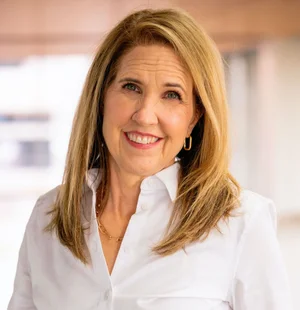
Episode 118 : The Love Doctor's 3-Step Happiness Formula for Marriage

How to Bring More Light Into Your Marriage
When You Lose Everything (and Find What Actually Matters)
In 2008, Anil Gupta sat his wife down and told her the worst news he could imagine.
He had lost everything.
The house.
The cars.
The savings.
Years of hard work, gone in the stock market.
He braced for anger. Disappointment. Fear.
Instead, she smiled.
“I thought you were dying,” she said. “I thought you had cancer. I don’t care about the money. I care about you.”
That was the moment everything changed.
The Day His Identity Broke
Before that day, Anil’s identity was built around money, success, and significance. If he was earning, producing, achieving—he felt worthy.
When the money disappeared, so did the version of himself he had built.
He admits that in those dark hours, he felt hopeless. The weight of failure was crushing. But something unexpected happened.
He changed his currency.
Instead of measuring life in dollars, he began measuring it in love. In service. In meaning. In connection.
“I became a billionaire,” he says—not financially, but relationally.
He stopped asking, How much am I worth?
And started asking, How much can I give?
The Formula That Shifted Everything
Out of that season came what he now calls his Fulfillment Formula:
F = G × G × G
Fulfillment equals:
Giving
Gratitude
Growth
Not added together—multiplied.
Because when one drops to zero, everything shrinks.
1. Giving
Give your time.
Give your attention.
Give encouragement.
Give kindness—without needing something back.
Anil explains something simple but profound: when you perform an act of kindness, the person receiving it feels good. The person watching feels good. And you feel good.
You cannot be generous and miserable at the same time.
One small act shifts your internal chemistry—and your identity
2. Gratitude
Not big, vague gratitude.
Granular gratitude.
The way your heart has beaten billions of times without asking for thanks.
The way your hands function.
The way your spouse quietly does something small for you.
He tells the story of breaking nine bones in his left hand after slipping during a pickleball game. In the emergency room, instead of spiraling, he asked:
It’s my left hand—could it have been worse?
Who can I thank right now?
How can I grow from this?
That shift didn’t remove pain—but it removed despair.
Gratitude interrupts negativity.
3. Growth
Growth emotionally.
Growth spiritually.
Growth mentally.
Growth relationally.
Awareness is the doorway.
We are “meaning-making machines,” he says. Something happens—and we immediately assign it a story.
She didn’t text back → She doesn’t care.
He left the toilet seat up → He doesn’t respect me.
But what if awareness paused the story?
Awareness creates clarity.
Clarity creates focus.
Focus creates action.
Action creates results.
You cannot be fulfilled without awareness.
The Wolf You Feed
He shares an old metaphor:
Inside each of us are two wolves.
One whispers: You’re not enough.
The other says: You’re capable. You’re loved. You matter.
Which one wins?
The one you feed.
And here’s the uncomfortable truth: most of us feed the negative wolf unintentionally. We wake up. We react. We scroll. We absorb news. We replay criticism.
Fulfillment doesn’t happen accidentally.
It’s trained—like a muscle.
One percent better each day.
Marriage: It’s Simpler Than We Think
When the conversation shifts to marriage, Anil doesn’t complicate it.
He makes it beautifully practical.
What Men Want
Respect
Appreciation
To feel honored
To not feel criticized or compared
What Women Want
To feel loved
To feel heard
To feel emotionally safe
Presence—not fixing
He suggests asking your spouse:
“What can I do to make you feel more respected?”
“What can I do to make you feel more loved?”
Then ask again.
And again.
Small things matter.
He tells the story of his wife putting toothpaste on his toothbrush when he couldn’t use his broken hand. It was tiny. But it felt enormous.
“It’s the small things that are the big things.”
The Rule That Ruins Love
One insight stops people in their tracks:
“The more rules you have, the more pain you will have.”
Rules like:
My spouse must…
My partner should always…
If they loved me, they would…
Every rule becomes a potential resentment.
Instead of silently scoring each other, ask:
“Is there one behavior I do that’s hard for you?”
That question alone can transform a relationship.
Because awareness precedes change.
The Dinner Table That Builds Emotional Intelligence
One of the most powerful tools he shares isn’t for couples—it’s for families.
Around the dinner table, ask:
What have you done today that you haven’t been thanked for?
What act of kindness did you perform?
What act of kindness did you witness?
What are you grateful for?
What was magical or fun today?
Is there anything on your mind?
Then rotate who leads the questions.
Children develop confidence. Awareness. Emotional vocabulary. Gratitude.
It’s a simple ritual with generational impact.
If You’re Struggling Right Now
Anil is honest: mindset shifts take time.
He wasn’t always this way. He had ego. Pride. Blind spots.
But he kept practicing.
And when life felt unbearable, one sentence eventually proved true:
“This too shall pass.”
If you’re in a hard season:
Perform one act of kindness.
Write down one magical moment.
Tell your spouse one specific appreciation.
Ask one growth question.
Just one.
You don’t need to fix everything today.
You just need to add a little more light.
Because you can’t remove darkness.
You can only shine brighter.
And when you do, the darkness naturally disappears.

-
0:00
Meet Anil Gupta, The Love Doctor, and His Journey
I said, honey, something really bad has happened.
That what's going on that I've lost the cars, the house, the savings, everything's gone and we're going to be destitute.
I stopped using the US dollar and changed my currency to love, camaraderie, making a difference, serving, giving, being playful, being fun, making a difference.
0:19
There are only two types of people on the planet.
Did you know that?
Ones that make you happy when they enter a room once that make you happy when they leave the room.
There's a man sleeping in the street in India and he got the pump and he started pumping and he doused his head with water and had a big smile on his face.
0:36
I was so annoyed because he was happier than me.
0:41
Speaker 2
Welcome to Marriage IQ, the podcast helping you become an intelligent spouse.
0:47
Speaker 3
I'm Heidi Hastings.
0:49
Speaker 2
And I'm Scott Hastings.
0:50
Speaker 3
We are two doctors, 2 researchers, 2 spouses, 2 lovers, and two incredibly different human beings coming together for one purpose, to change the stinky parts of your marriage into scintillating ones using intelligence mixed with a little fun.
1:12
Speaker 2
Hello, everyone.
Welcome back to Marriage IQ.
We're so glad that you joined us today and we are excited about what we're talking about today, right?
1:21
Speaker 3
Yes, Anil Gupta is joining us today and he's one of the most fascinating people that I think I've met and we're really excited.
We hope our guests know that they're really in for something extraordinary.
Today, Anil is known around the world as the Love Doctor.
1:38
The.
1:38
Speaker 2
Love, Doctor.
1:39
Speaker 3
Yes, I know you're the medical doctor.
He's the love doctor, and he spent decades helping singles, couples and families move from relational struggles to deep connection.
His work is so rapid and powerful.
He has really practical tools that he created to transform exactly the kind of intelligence we love here on Marriage IQ.
2:02
His impact stretches across 18 countries.
And he's also a best selling author, a Ted X speaker, and the creator of several relationship frameworks that we're going to talk about more today.
And he's designed all of these to help people move the invisible blockages that block them from living a full and joyful love.
2:22
He's been featured on radio and television things like Fox News, Sky TV, iHeartRadio, ABCNBC, and has also coached some.
Really well known figures.
In fact, I saw that he was invited to talk with the Dalai Lama.
2:41
So we're going to ask him about that because we also.
Yeah, that's.
2:44
Speaker 2
Something we have in common.
2:45
Speaker 3
So everybody, we believe that Anil's work is very meaningful, and we're really excited to welcome you here.
Anil, thanks for joining us.
2:55
Speaker 1
Thank you.
Thank you for inviting me.
I'm excited to provide outstanding, practical, powerful content that is immediately implementable so that people can lead a richer for a happy life.
3:09
Speaker 3
Tell us a little bit about your story.
Who are you?
How did you come to be interested in this love stuff anyway?
3:17
How Financial Ruin Led to a New Identity and Mission
Well, I think I got married.
I think that's when it all started.
And that was.
3:21
Speaker 2
It all went downhill from there.
3:23
Speaker 1
That was only 37 years, two months and 20 days ago.
Now if I had to watch, I'd keep track of it.
3:29
Speaker 3
OK, so is it that bad?
3:32
Speaker 1
You've been great.
Yeah.
My wife is so lucky, you know, laugh at yourself and laugh together, and it makes all the difference. 2008, November.
I've lost everything in the stock market, real estate.
And I had to tell my wife.
And I said, honey, something really bad has happened, that what's going on, that I've lost the car, the cars, the house, the savings, everything's gone and we're going to be destitute.
3:57
And she looked up at me and she smiled.
What's wrong with you?
What's wrong with you?
Did you not hear what I said?
That, honey, I knew something was wrong.
You've been behaving strangely.
Which was true.
I thought it was something serious.
And I said, what do you talk about?
This is serious.
She said no, honey, I thought you had cancer.
4:15
I thought you were dying.
I don't care about the money.
I thought that's what she wanted.
That's why I was working so hard.
But ladies and gentlemen, just ask your partner, what is it you want from me?
It's a simple question.
4:28
Speaker 2
So you didn't sit down with each other and ask that question before then?
4:34
Speaker 1
No, I knew everything.
I thought that's what you wanted.
Yes, but it sounds so simple.
But it's not easy.
4:40
Speaker 3
How do you lose everything in the stock market in one fell swoop?
4:45
Speaker 2
Like everything.
4:46
Speaker 1
It wasn't one swoop.
I mean, it takes a lot of spill and it's not readily available to everyone, but I had just made some stupid decisions.
It was gambling.
I had things on margin, bad decisions, blah, blah, blah, blah, blah, blah.
And then after that a friend of mine said I know why don't you do a seminar?
5:02
You've helped me help my wife, you're amazing.
I said well no, I'm not sure.
I said, what are you not sure about?
So what if no one turns up?
And he said, look, if no one turns up and no one will know.
And I thought, oh, I could do that, but they're so worried what other people thought of me.
And that's how it started. 5 people, 10/20/50 hundred, 510,000 people.
5:23
But you've got to say yes first, you know, step into courage.
And then when you step into courage, the fear disappears.
5:32
Speaker 2
Wow.
5:32
Speaker 3
That's amazing.
And what's really amazing is your wife.
What led her to respond in that way besides thinking that you had cancer?
I mean, did she maintain that positive attitude throughout as everything started going by the wayside?
5:48
Speaker 1
What the secret is the Do you know Zig Ziglar?
5:50
Speaker 3
Yes, Zig Ziglar.
5:52
Speaker 1
Where he talks about pumping.
5:54
Speaker 3
Yeah.
5:55
Speaker 1
You've got a pump, meaning you've got to put your effort and joy and laugh into the other person not wanting anything in return.
And that's what I've been doing.
You know, I always made sure she was the number one priority of the kids.
I did everything for them.
I moved from London to the USA, gave up my career as an optometrist, gave up a beautiful house for them because I thought that's the right thing to do.
6:18
So it's not just a matter of, oh, she being nice for one moment.
You've got to be, you know, invested in your partner because something sometime, somewhere, it'll happen again or something else will happen and that's when you need to come in and unite and support each other.
6:34
Speaker 2
So I hear you saying that you gave up everything you wanted for what your wife wanted.
Is that correct or I'm just trying to understand?
6:42
Speaker 1
I would never do that.
But I moved because she's came back from a Tony Robbins event.
I said we need to move, we need to move.
I said no, we're not moving.
I've got a great job.
We live near Her Majesty the Queen.
We're in a beautiful place.
I'm not moving.
And then she kept on.
6:58
I thought, you know what, she's kind of right.
I do want to move, but I'm scared, so I've got to give up everything.
Then I asked myself this question.
What's the right thing to do?
And once you ask that question and you do the right thing, everything else falls in place.
7:13
Speaker 3
How did you know what the right thing was?
Because you wanted to do it, but we're scared and she wanted to do it.
So you figured out that must be the right thing.
Or did this take a lot of counseling together and working through lots of different elements before you figured out what the right thing was?
7:29
Speaker 1
So my kids were 9 and 11 and in the UK there are something called grammar schools which are very hard to get into.
And the academia in London was very strong.
And I didn't want my kids to be academics.
I didn't want them to be studying 3-4 hours every night.
7:45
And, you know, wanting to be doctors, dentists, all that stuff.
I wanted them to have freedom.
I wanted to have freedom.
And of course the weather played a big part going from London and even a telcos celebration built by Disney near Disney World.
And we would come here two or three times a year.
8:01
And I thought, you know what, if I don't do it now, I'm never going to do it.
And I had resigned after the NA Olympics in 1984, but I never did anything about it.
So I thought, look, I'm not going to risk not having an opportunity to create a brand new life.
8:16
And they were out of fact that she she said, I know where the kids are going to go to school and I know a place we're going to stay at.
And we already had friends in the neighborhood.
So it was quite a smooth transition.
8:29
Speaker 3
I love that you respected her.
You listened to what she had to say, you took it into consideration, you looked at it together, and then you made a decision that was really best for your family.
8:43
Speaker 1
I didn't listen at the beginning though.
8:45
Speaker 2
Well, and I think too like you're right, like there are a lot of times I don't listen in the beginning, but I think that just having that time to self reflect about how important is this to you?
How important is this to me and giving myself time and space as perhaps you did Anil to say, OK, I can start to see your perspective from a more positive point of view after I've just had time to think and compare contrast pros and cons and how passionate you are about it.
9:21
So you move from England to where?
9:23
Speaker 1
Florida, Disney World and looking back on everything, oh, my, must have been crazy.
But then I was younger, you know, I still had that good blood flowing through my veins and arteries.
But it was simple.
What's the right thing to do and how would life look like?
9:39
And I just got fed up with the weather.
It was just miserable.
9:42
Speaker 3
That's funny.
9:43
Speaker 2
So you started back where you visualize what it would look like, and then you started moving backward.
OK, here's how my future looks like.
And then slowly.
How can I make that look now?
9:54
Speaker 1
Ask you the right questions.
How can I make this happen?
How would it look like?
What would I feel?
How amazing would that be?
And what would it look like if I didn't go?
10:06
Speaker 2
OK.
10:07
Speaker 1
It would be a comfortable life, but there'd be very little excitement.
10:11
Speaker 3
So I want to go back to the day that you told your wife that you'd lost everything.
I think when you and I were talking, you admitted even to being suicidal that day, and it felt like your life was just crashing down around you.
10:27
How do you take something like that and transform who you are and totally use that kind of an opportunity to launch you into a whole different life's mission?
10:39
Speaker 1
I didn't know what was happening.
All I knew was that a huge weight had come off my shoulders and that was the day I decided to change my identity.
My identity was around money and stuff and significance.
In the on sewing days, I became a billionaire because I changed my currency.
10:56
I stopped using the US dollar and changed my currency to loud camaraderie, Making a difference, serving, giving, being playful, being fun, making a difference.
And when you do that, you become the light.
And when you become the light, all the darkness disappears.
See, most people focus on the darkness.
11:12
Don't do that.
Focus on the light.
And the darkness is always, always, always, always disappear.
11:18
Speaker 2
So going back, you said you changed your identity.
11:20
Unpacking the Power of Giving, Gratitude, and Growth
How old were you in 2008?
11:22
Speaker 1
That's the personal question.
11:24
Speaker 2
All right, Well, you're younger than you are now and.
11:27
Speaker 1
That went right on.
11:29
Speaker 2
OK, so it roughly halfway through your life, you it sounded to me, you said you totally changed your identity, which is one of our four cornerstones here.
It is identity is one of the four most important parts of not just a marriage, but life.
11:45
And I just really picked up on that.
So you have an identity crisis or you said?
11:50
Speaker 3
Hey, sounds like you had a total shift in what he was focusing on what was important to him, on what made-up his identity.
Is that true, Anil?
Yeah.
11:59
Speaker 1
Absolutely.
My wife said to me, you made one big mistake.
And I thought, here we go.
She said, honey, you haven't lost everything.
You still have me.
You still have the kids.
See what I was focusing on what I'd lost.
And you know, if you look at your hands, when was the last time you thanked them?
12:14
Can you see my hands?
12:15
Speaker 3
Yes, yes.
12:16
Speaker 1
You notice anything different about it?
12:18
Speaker 2
They're all there, yeah.
12:20
Speaker 1
So Scott, I have a lactistol radius fracture, 9 spots in his left hand after playing pickleball, snipped and fell.
I don't know how it's possible but I broke 9 bones.
I needed surgery from one of the top hand surgeons in the country and I was really upset for about two minutes.
12:40
Really upset.
Then I was grateful because it's my left hand, I'm right-handed, and I just brought a brand new paddle that was undamaged.
12:48
Speaker 2
So it sounds to me that you've learned really well how to find meaning in adversity pretty quickly.
12:56
Speaker 1
Well, as humans, we're meaning making machines.
Something happens, we make it mean something.
We are.
And told me back, she doesn't love me, she doesn't care for me, she doesn't honor me.
Then I remember as human beings, we'd love to be right about being right.
I remember the other stuff.
When we make a big story around, I make a big story around it.
13:14
Awareness is what we need.
Awareness gives you clarity.
Clarity gives you focus.
Focus gives you action.
Action gives you results.
Results gives you momentum, which gives you everything.
You cannot be joyous, you cannot be happy, you cannot be fulfilled.
You cannot be in love without awareness.
13:30
So awareness is the thing we must work on.
13:33
Speaker 3
And self-awareness?
Or what are you talking about when you say awareness?
13:38
Speaker 1
Awareness.
Just what do you notice?
Do you notice the chair, your feet on the floor, the air conditioning, the lawnmower?
People who always come as soon as you start a podcast and you know the temperature at the door and empty glass and my phone.
And then what happens is you become aware of being aware, and then your consciousness expands and then it just gives an opening for creativity and growth.
14:02
Speaker 3
So you're talking mindfulness?
14:04
Speaker 2
That's mindfulness.
14:05
Speaker 3
Too right?
Some people call it mindfulness.
And yeah, you're right, that does help you overcome the negative chatter in your head, the focus on the negativity to be opened up to a more expensive way to see life.
14:21
Speaker 1
Really, if you imagine we have a good wolf and a bad wolf, which wolf will win?
14:26
Speaker 3
Well, hence which one you focus.
14:28
Speaker 2
On I think we tell ourselves the good wolf wins, but in reality.
14:32
Speaker 1
It's not the goodwill.
14:33
Speaker 2
We don't think about it right.
14:35
Speaker 1
But this is going to be great for your audience.
The wolf that will win is the one you'd feed.
14:40
Speaker 3
Oh so.
14:41
Speaker 1
If you have this bad wolf saying, oh, you're not good enough, you're not smart enough, you don't belong here, there's something wrong with it.
No one loves you, and you keep on feeding it.
It's going to get stronger and stronger.
But if you say this, excuse me.
Hey, Goodwill, what do you think?
Well, Anil, you're a Rockstar.
14:57
Fox News, Sky, TVABCNBC, Harvard.
Oh my God, Thank you.
I tell you these are practical tools that will change your.
15:07
Speaker 2
Life so I agree with you completely Anil.
I guess my point is I'm thinking from just the normal average person because our existence is very different than what we think it is.
And I know this like it when I go into my medical office right and I interview patients, they tell me how well they're eating and we both look at each other and I start think, OK, well, it's not that I don't believe you, but let's see if we can tighten some things up here, right.
15:41
It's So my point here is yes, we do feed the wolf that we intentionally look at.
It's that unintentional part of life, right?
Or we just, we wake up, we react and we end up feeding the wolf, not even knowing which one it is because.
15:59
Speaker 3
We don't have the awareness that.
16:01
Speaker 2
We don't go back to becoming aware of who we are.
And we can take this concept and Neil that you brought up and really go a long way with it because it is awareness and we think we're aware.
That's my point.
16:16
We all think we're so much more aware than we really are.
So I'll tell to my patients, I'm going to put a hidden camera on your life and then I'm going to replay it the next time you come back in.
Now, of course, I can't do that and that would be probably illegal.
16:32
But I mean, here's the point is that we do.
We are so blindsided by so many things and I just love your story.
16:42
Speaker 3
Yeah.
How did you make that large mindset shift?
16:46
Speaker 1
It took time, you know.
16:47
Speaker 3
It's helpful to know.
16:48
Speaker 1
It didn't just happen overnight, but since I speak about this a lot, I can speak about it very clearly.
OK, I remember, you know, doing things and one of the easiest things that people can do is this.
Just perform an act of kindness for someone.
17:03
In the moment you do that, you receive endorphins, you feel good.
The person receiving the act of kindness receives endorphins, they feels good.
The person observing the act of kindness, they receive endorphins, they feel good.
The person sharing the act of kindness feels good.
17:20
Person receiving the share feels good.
And it continues.
We never know what other people are going through by you performing.
An act of kindness will change their lives, and in that moment you cannot be sad.
All the pain and suffering disappears in that moment, and the more moments you have of those will create something.
17:40
I became addicted to, which you're serving because it's a thrill.
I did it for them, but I also did it for myself.
Another thing I did, I played tennis.
When you play tennis, you've got to focus on the board.
That takes away the darkness.
17:54
Speaker 2
It takes your mind off things.
Yeah, yeah.
17:57
Speaker 3
Those are both really great.
17:58
Speaker 2
I found for myself long walks just all by myself.
I try to practice mindfulness and just trying to be aware of what are my blind spots which there are many.
18:12
Speaker 1
So languaging is everything.
So, Heidi, did you notice what he said?
18:16
Speaker 3
Which part?
18:17
Speaker 1
The trying part he tries.
Yes, there is no Tri spot.
18:22
Speaker 3
You just do.
Is that what you're saying?
18:24
Speaker 2
You sound like Yoda right now.
18:26
Speaker 1
No, this is Yoda saying.
18:28
Speaker 2
This is Yoda.
18:29
Speaker 1
That's not me.
But The thing is, there's some muscle.
As you develop this muscle, you'll stop using the word try.
Maybe I'll think about it.
It says, say you know what?
I'm totally committed to serving you.
That's crystal clear.
It's just the muscle and that's how I developed it.
18:46
And one day I was thinking, what did I do?
What did I do to get out of this, and I won't tell is is there a formula and there was a formula and the formula is this.
The one thing people need to know is that we're not seeking happiness.
People think we're seeking happiness, but we're not.
19:01
What we're seeking is a feeling, a feeling of fulfillment.
See, fulfillment is internal, happiness is external.
So the formula for fulfillment is equal to F = G G G The first G we spoke about that is to give.
19:17
OK, I'm your energy, love, your commitment, your joy.
You give your time, your money, give it away but not wanting anything in return.
The second G is gratitude.
Be grateful for what you have.
You know, Scott, actually you're a medical man.
So you know this doctor, Heidi, how many times has your heart beaten to date?
19:36
Give me a number.
19:39
Speaker 2
I'd have to calculate it here, right?
19:41
Speaker 3
4 billion, I don't have any idea.
19:44
Speaker 1
2 billion.
19:44
Speaker 3
2 billion, OK.
19:46
Speaker 1
2 billion and there's 4 chambers working in perfect sync.
How many times is the water pump in a washing machine or a car broken down?
It's amazing.
How many times have we thanked our heart, the skin, the arteries, the veins, You know, you saw we don't appreciate things until you you lose function.
20:04
I mean, I can't even pick this 2 LB weight up with my right hand, but I can't with my left hand.
I was in a train.
And I couldn't open a packet of chips.
I had to ask the lady across the table, can you open my chips for me?
So it's the little things that become the big things.
20:20
Speaker 3
So you're talking gratitude at a very, very granular level.
Like not just kind of big sweeping things that I'm grateful for, but the little things so small that if I didn't have them tomorrow, they would greatly impact my life.
20:38
Just noticing but.
20:39
Speaker 2
They're not small though.
20:40
Speaker 3
They seem small until you break your arm in nine places.
20:45
Speaker 1
Yeah, nail cutters or an oven or, you know, home delivery.
Yeah.
Ask yourself, what could I be grateful for right now?
I'm grateful that no one's going to break in.
My family is safe, you know, air conditioning that I can walk in, perfect safety.
21:05
Speaker 2
That can be difficult to do all the time.
How do you do it?
21:09
Speaker 1
I don't do it all the time.
I have my moments.
21:12
Speaker 2
You have your moments, OK?
21:14
Speaker 1
But the secret is when I have my moments, I don't live in those moments.
I let it pass.
I don't resist it.
I let it happen.
I get annoyed with myself.
You know, I do all whatever I need to do.
But then I remind the good wolf who I am.
Good wolf.
What am I grateful for?
21:29
Neil, you're stunningly handsome.
OK, I I knew you were joking, but but again, we playful around it, yes.
21:38
Speaker 2
I would say stunningly.
21:39
Speaker 3
And for those of you who are watching on YouTube, you're the only ones who are going to see how stunningly handsome he is.
And Spotify, the rest of you, sorry you're missing.
21:48
Speaker 1
Out missing out, missing out.
21:51
Speaker 3
OK.
So so you talked about giving, giving, giving, giving, giving, like just having that kind of a mindset.
You talked about gratitude.
I love the way that you describe that.
So what is the third G then?
22:05
Speaker 1
You have to grow emotionally, physically, spiritually, mentally and financially.
22:12
Cultivating Mindfulness and Positive Interactions Daily
How do you be intentional about that?
22:15
Speaker 1
Again, it's awareness.
So how do you grow emotionally?
Be aware of your emotions when you get upset, why you get upset, why you get triggered, what you make it mean.
And then ask yourself, how is this affecting my health?
How's this affecting my joy?
22:30
What am I committed to?
Who am I?
I'm a ninja warrior freedom fighter, an unstoppable force of greatness that will move touching, inspire 1 billion people by December 2626.
OK, that stepped me into a different place.
22:43
Speaker 3
1 billion people yeah wow, I.
22:47
Speaker 1
I hope 900 million of that will come from your readers, yes.
22:51
Speaker 3
Pretty close to that, yes.
We hope so too.
22:54
Speaker 1
Yeah, the the beautiful thing about this formula is this, whenever something happens, there's an upset one of those 3GS drops and all you have to do is work on the lowest G OK, so let me give you an example.
Yeah.
Twenty 25th of August 2025, I snicked and fell, fractured my left hand.
23:14
Before that I was so happy.
My my happiness score was 9 forgive 9 for growth, 9 for gratitude, which is 729.
Soon as I fell, I broke this.
They went to one for gratitude, one for giving, one for growth.
23:29
Then I asked myself, how could I be grateful right now?
Here Neil, it's the left hand your right-handed.
You'd be playing back no time.
How could I give?
I was set, rounded by EMT out of EKG and I thank the people around me.
23:46
Thank you for looking after me.
I appreciate you and that.
Then I asked how could I grow?
So you know what?
I can stop myself from beating myself up.
Why was I so stupid?
Why didn't I hydrate?
Why didn't I rest?
How can I use this to teach other people?
24:01
So it grew.
So my score of each of those went from 1:00 to 5:00.
So it went from 5 * 5 to 5, which is 125.
So it increased 125 times.
So there's a way to measure it.
And we remove all the drama, and we've become very objective.
24:19
We remove all the emotion.
24:20
Speaker 2
Well, you want to use objectivity, but how is it objective when you're just giving yourself score like?
24:27
Speaker 1
What?
The numbers are objective?
The scores are subjective, but the number is objective because it from 1:00 to 1:25.
That's a pretty big jump.
24:36
Speaker 2
I see.
24:37
Speaker 3
So your happiness formula is you score yourself one to 10 on giving, times, one to 10 on gratitude, times, one to 10 on growth.
And if your score is not as high as you want, then you're probably not happy.
24:58
Speaker 1
Well, no, it's not that you're not happy.
You could be happier.
So depending on the numbers, but all you need to do is ask what's the lowest score?
So Heidi, what's your lowest dream right now?
25:09
Speaker 3
I would say today maybe gratitude.
I haven't spent enough time today thinking of what I'm grateful for.
25:18
Speaker 1
OK, so you're beating yourself up.
25:20
Speaker 3
I do that on occasion.
25:22
Speaker 1
So when would that be a good time to stop?
25:26
Speaker 3
Right now.
25:27
Speaker 1
So what?
What are you grateful?
Give me 5 things.
You're grateful.
25:29
Speaker 3
OK, I am grateful for my stunningly handsome husband and only those of you on you.
We'll get to see how stunningly handsome he is.
I'm grateful for the things I've learned through real adversity.
25:47
I'm grateful that I that's.
25:51
Speaker 2
2.
25:52
Speaker 3
Yes, I'm grateful that my heart is working so well and beating so well.
Three, that I don't even think about.
I'm grateful for the healthy food I had for breakfast that gave me all the energy I needed.
Four, I am grateful for my car that just keeps on running.
26:13
Speaker 2
There you go, 5.
26:15
Speaker 1
Say if I said you give me 50 more, would you struggle?
26:18
Speaker 3
I think if you gave me a few minutes, I could do it.
Yeah, I I could do it no problem.
26:22
Speaker 1
Yeah, that's all you have to do.
OK.
You know, you're impacting people on this podcast.
There's nothing greater than changing someone's life.
26:31
Speaker 3
Yes, I'm grateful too, for all the people who are listening today.
That's true.
Because both of them helps us feel like, quote, the sacrifice that we're making this thing that we're doing, that it's meaning something to someone.
Yeah, yeah.
26:44
Speaker 1
And what if you saved someone's life?
They were thinking of committing suicide.
26:49
Speaker 3
Then I.
26:49
Speaker 1
We don't know.
We never know what other people are going through and we never know the difference that we make to them.
There are only two types of people on the planet, did you know that?
26:59
Speaker 2
No.
26:59
Speaker 3
Tell me.
27:00
Speaker 1
Yeah, ones that make you happy when they enter a room.
OK.
Ones that make you happy when they leave the room.
It's true, isn't?
27:07
Speaker 2
It yeah, I don't know about that, but I was just thinking though, that when I think of things that I'm grateful for, it does change me.
I am a changed person and I I try to think of one thing.
27:24
I'm Oh, OK, I don't try.
There is no try.
Well, I don't do this every night, but it is my attempt to to write down something that I was grateful for that day, so it comes more easy to me.
27:44
I try to keep a little gratitude journal.
No, no, try.
Look, I'm working on it.
27:48
Speaker 1
No, it's good we caught.
27:50
Speaker 3
That that's good.
I do keep a gratitude.
27:51
Speaker 2
More aware.
I was more aware now that it was 5 minutes.
27:54
Speaker 3
There you go, you brought awareness to this.
27:57
Speaker 1
So I'll give you something beautiful to do.
Keep a magical moments diary.
28:02
Speaker 3
Magical moments Diary.
28:04
Speaker 1
Write down all the magical moments like this podcast right now, OK?
And then you can always refer to them because we forget, right?
And Scott, here's a really good exercise for you to do, both of you and the audience, or 900 million of you.
28:18
Speaker 3
That's right.
28:19
Speaker 1
Think of the day and ask yourself, who did I have?
How did I serve?
What difference did I make?
What was magical about today?
And that will set you up to have a beautiful sleep.
Don't watch the news, people.
Watch the news.
Don't do that.
28:32
Speaker 2
So you're saying don't stay up with current events?
28:34
Speaker 1
Yeah, at night.
28:36
Speaker 2
Not before bed.
I actually agree with you, Anil.
I'm just pushing a button.
OK, Yeah.
28:41
Speaker 1
It's.
28:42
Speaker 2
I do not prefer news.
I don't like it so.
28:45
Speaker 1
Yeah, and if it's big enough, you'll get to hear about it.
28:48
Speaker 2
Yes, you're right.
Absolutely.
28:51
Speaker 1
And so flat your brain with positivity, with good thoughts and everything is vibrational.
When you perform at a different vibrational energy, things will happen to you for you.
29:02
Speaker 3
Can you say those questions one more time to ask yourself before you go to bed?
And if people want to pause it here and run and grab a pencil, they can.
29:10
Speaker 1
Sure, and you can add in the show.
Let's.
OK, who did I help today?
OK, what was fun?
What was exciting?
What was magical?
OK, what did I enjoy?
Who did I connect with?
Who did I make a difference for?
29:25
What was fun, playful, exciting about today?
What was great about today?
29:31
Speaker 3
That means we probably need to be somewhat intentional about putting fun and playful things into our lives, right?
29:38
Speaker 1
And again, that's a muscle to always ask yourself right now, how could I have more fun?
How could I be playful?
And it just gets easier and easier and easier.
So I have a three foot rule, OK, anyone who comes within 3 feet of me is going to have a conversation and I compliment.
29:54
Thank you for helping me.
Thank you for pressing the button.
You have great shoes and like your handbag, like your hair.
What are you doing here?
I see you have a name badge, What event are you at?
30:03
Speaker 3
So if they're within 3 feet of you, you have a conversation with them.
30:07
Speaker 1
And the best place elevators.
30:09
Speaker 3
Yes, because there's no escaping.
30:11
Speaker 1
And the thing I say to them is, hey, you're probably wondering why I called you in for this meeting.
30:19
Speaker 2
That's a great way to start.
30:20
Speaker 3
Those uncomfortable when you're on an elevator with them and everyone's looking at the walls, at the corner, at the ceiling, anywhere but at each other.
30:30
Speaker 1
We used to talk to people.
We don't do that anymore.
30:34
Speaker 2
That's why we're having this conversation with you.
30:36
Speaker 1
If you watched a movie, a documentary, The Blue Zones, what a common theme of these places where people live to 100 is community, no gossiping, no complaining, no, no this, but just helping each other, keeping active, communicating and it it makes a difference.
30:52
Understanding Your Partner's Needs for Deeper Connection
I love so much that you're teaching us how to make a difference in our own lives and how that impacts other people.
But I want to transition here if we can a little bit.
You are called the Love Doctor and I would love to move just a little bit into what we can do to make our marriage the best it can possibly be.
31:15
I know you did say that the biggest mistake you made was getting married in the 1st place.
I think you were joking about that.
But truly, what can we do to improve our relationships with our spouse?
31:24
Speaker 1
It's very simple.
So, Heidi, what do men want?
31:27
Speaker 3
They want to be are heroes.
31:30
Speaker 1
OK, what else do they want?
31:31
Speaker 3
Well, probably a lot of people would say they want to have sex.
31:34
Speaker 1
And more sex.
Yeah, I would ask that question in my events.
They would say sex.
I said now I have more sex.
Yeah.
What else?
31:40
Speaker 3
They want to be validated.
They want to be appreciated.
31:44
Speaker 1
Yeah, the men want to feel respected, they want to feel honoured, they want to feel noticed.
They do not want to be criticized.
They don't want to be compared.
They don't want you to complain.
OK, So if you just turn around and do this to to Scott ready, Scott.
32:00
Thank you, Scott, Thank you for keeping me safe.
32:05
Speaker 3
For keeping me safe.
32:06
Speaker 1
I love you.
32:07
Speaker 3
I love you.
32:08
Speaker 1
You're stunningly beautiful and handsome.
32:11
Speaker 3
You are stunningly sexy and handsome and beautiful.
You're a beautiful soul on the inside and on the outside.
32:19
Speaker 2
I thank you my love.
32:20
Speaker 1
OK, ask him how he felt.
32:22
Speaker 3
How did that feel to you?
32:23
Speaker 2
Warm and cozy.
32:25
Speaker 1
OK, what part of it did you enjoy most?
32:27
Speaker 2
I think probably the touch and the eye contact, and I mean the words too.
But I think all of the above.
I really like it when you touch me.
32:40
Speaker 1
So Heidi, now do this.
32:42
Speaker 3
OK.
32:42
Speaker 1
Look at him and just do this.
Ask him how he felt.
32:47
Speaker 3
How did that feel?
32:47
Speaker 2
I feel connected to you.
32:50
Speaker 3
Did it feel as good as the first one?
32:52
Speaker 2
It feels good.
32:54
Speaker 1
So how simple is that?
32:56
Speaker 3
That's very, very simple.
32:57
Speaker 1
OK, so women want to feel loved, They want to feel your presence.
They want to feel safe.
They want to feel understood, they want to feel heard.
They do not want to be fixed.
Maybe some gift diamond rings?
33:13
Speaker 3
You got it good.
You got it good.
33:16
Speaker 2
You don't have to tell me twice.
33:20
Speaker 1
So women, ask your man, what can I do to make you feel more respected what else can I do what else can I do what else can I do?
James asked your lady, what can I do to make you feel even more loved?
What else can I do what else can I do what else can I do?
33:37
And it's just small things so that are the big things.
So every morning my wife would put toothpaste on the toothbrush for me because I couldn't do it with my It would go everywhere.
And I see it in the morning, I see it in the evening.
And I was just felt so beautifully loved and respected.
33:54
It's a small things that are the big things.
So another question is, you know, spouses ask each other what is it 1 behaviour that you do not like me doing?
Simple.
It is so simple and you cannot say breathing.
34:13
Some couples may say that's not.
34:15
Speaker 3
Breathing that's not on the table.
I like that because it's not them complaining about you.
It's me saying, I really want to know, is there something I do that you have a hard time with that because I'm asking, that probably means I'm willing to do something about it, bringing awareness back to awareness like you talked about, right?
34:41
Speaker 1
So I would always leave the toilet seat up and my wife would complain.
And I thought it was funny, you know, I mean, I don't care.
But then she said this to me.
Heidi, honey, every time you do that, I can't love you as much.
I thought that's a bit strong.
34:57
Yeah.
But I thought, you know what?
She's right in that moment.
How could she?
So we have to be aware of the consequences of our actions and inactions.
35:09
Speaker 2
So you're saying that if your spouse doesn't do whatever for you, you love, you love them less?
It's like automatic.
35:18
Speaker 1
If you do something that they don't like in that moment, they can't love you in that moment.
35:25
Speaker 2
Interesting.
35:26
Speaker 3
It almost interrupts the flow of love.
Is that accurate to say?
35:31
Speaker 1
It's that awareness, but also knowing that there is a consequence to it, like emptying the trash.
35:38
Speaker 3
Cost, you know.
35:39
Speaker 1
Like I would need One Cup in in the sink and she would get really upset.
Do you know why?
35:47
Speaker 3
Why she's?
35:48
Speaker 1
Crazy.
35:51
Speaker 3
She has a little OCD like me.
35:54
Speaker 1
So what it is this?
She has a rule that everything in the sink must be put away.
That's her rule.
The more rules that you have, the more pain there will be in that relationship.
So ask yourselves, what rule do I need to let go of?
36:09
OK, what's the rule?
My husband must do this.
My my wife must do this.
My children must do that.
36:15
Speaker 2
All right, so here's what I hear you saying, Anil.
Is it when I accidentally leave the toilet seat up and my wife doesn't like it?
She loves me less for just a moment.
But then she needs to figure out if that's big enough to create a rule around or not.
36:36
And if it's not, she lets it go.
And if it is, then it's like it's 100%.
Is that correct or am I totally off?
36:43
Speaker 1
Well, you know, depending on how deep that rule is and how important that rule is, she might say, hey, I would love for you to put the toilet seat down depending on what level and grade she's at of getting upset.
But if you do it deliberately, that's going to upset someone occasionally.
37:01
That's fine, you know, and then just say, look, I'm so sorry.
That wasn't my intention to hurt you.
Please forgive me.
I love you.
You're amazing.
37:10
Speaker 3
I love those.
37:11
Speaker 2
Words.
The good thing I don't leave the toilet seat up.
37:13
Speaker 3
I know, I'm so grateful for that.
37:16
Speaker 1
That's fine.
Did you hear what she said?
37:17
Speaker 3
I'm grateful.
37:19
Speaker 1
No, no, no, she loves.
37:20
Speaker 2
Me.
37:21
Speaker 1
No, no, Scott, did you hear what she said?
37:24
Speaker 2
I think so.
37:25
Speaker 1
What did she say?
37:27
Speaker 2
She said that she is grateful and she loves me.
37:30
Speaker 1
No, before that.
37:31
Speaker 2
Oh, what did you?
37:34
Speaker 1
Say you can listen to the recording after, but she said, I love those words.
You should have caught that and jumped in.
So jump in now.
37:43
Speaker 2
I love you.
37:48
Speaker 3
Yes, I think his brain's gone on.
The words that I loved were him saying, oh, I didn't something like I didn't realize.
37:58
Speaker 1
That my intention wasn't to hurt you.
37:59
Speaker 3
Yeah.
38:00
Speaker 1
He tweeted me I love you.
You mean everything to me?
38:04
Speaker 3
Thank you for repeating that.
That's really good.
My intention wasn't to hurt you.
I love you.
Please forgive me.
I would never want to hurt you.
That's simple, right?
38:13
Speaker 1
Isn't it?
38:14
Speaker 3
Yeah.
38:15
Speaker 2
It's really simple, I think, emotional awareness and emotional intelligence.
38:20
Speaker 1
I mean nothing about this.
I had to, you know, because I've been doing events in 18 countries, 8 languages, 4 continents.
I get to know this stuff and I, I interact with people and I can fine tune it.
So I'm giving you everything that I know, which is really, you know, beautiful stuff that it's been filtered and tested and proven.
38:38
Now, first time you say it, it may not be so good.
Second time may not be so good.
But 3rd, 4th, 5th time, it's like, oh that's easy.
38:46
Speaker 3
Becomes a habit.
It becomes natural.
You have the language on the tip of your tongue.
38:51
Speaker 1
You're aligned with it.
38:52
Speaker 3
Yeah.
38:53
Speaker 1
And it's genuine, it's authentic, it's powerful.
38:56
Speaker 3
What about those marriages that are really, really struggling?
39:00
Fostering Family Connection and Overcoming Negativity
Like they just aren't sure if they're going to make it?
Do these same tools work well for that or are there other tools?
39:06
Speaker 1
This is a universal tool.
But us yourselves.
What did I used to do at the beginning when we first dated?
Did I used to take her out?
Did we have date nights?
Did we, you know, have fun?
Were we played for?
Were we doing crazy stuff?
39:23
Was I opening the doors for her?
Was I buying her gifts?
What was it you used to do that you stopped doing that?
That's a starter.
And then start doing those things and then you'll notice a difference, you know, Be present.
Spend time with your partner.
Don't be on your phone.
39:39
Be present with them.
Think of the magical moments you had together and share them.
Look at photo happens together.
39:46
Speaker 3
Magical moments again, I love that.
Would the giving gratitude and growth help also with this relationship that may be struggling?
39:57
Speaker 1
Yeah, so often when relationships are struggling.
We're not grateful for the other person.
We're complaining about them.
We're criticizing them.
We're complaining about them.
And if you start edifying them, think of them as a new girlfriend or the way you used to treat them.
40:19
That's not again.
40:20
Speaker 2
And Neil, this is really hard to do.
I'm just telling you.
I mean, it's simple, but it's not easy.
And here's why.
We live in a world, whether we like it or not, that's built around negative things.
The news right is things that are have gone bad, relationships that have soured like it.
40:39
It's almost as if we put the enjoyable parts of our lives like as a this asterisk to the rest of the negativity.
And it's difficult.
It's an uphill battle to be intentional about not allowing what everything that's wrong with me 'cause I'll tell you right now I could.
40:57
There's a lot of money to be made in the space medically that people feel like they're lacking.
You know, weight loss shots, Botox, all these things that they feel like they're not enough and that's just reality.
It's hard to push uphill.
41:14
Speaker 3
But look how much more light the world would have if we adopt these practices of being more giving, giving, giving everywhere we go.
Talk to anybody who's in 3 feet of where we are, bring light to their life, bring joy to their life and everyone witnessing that as well-being more grateful for everything, seeing everything that happens to us as an opportunity for growth.
41:41
I think just the amount of light and love and life that would come into the world from doing that.
Maybe the more people Start learning this, the more we can start turning on a whole lot more lights in those dark places.
41:57
Speaker 1
And I didn't used to be like this.
I used to be quite a egotistical person and he because of the love that I received from my wife, my capacity to love and be loved increase.
So here's one sentence that will change your life.
You know, either viewers and or the listeners and viewers be so amazing.
42:16
You cannot be ignored.
And if you are ignored, it doesn't matter because how you show up will be the best version of you.
So Scott, I know that when you have a patient, you're being so amazing.
That's what I mean.
But if you take it outside of that, wherever you go in a store or you go to a restaurant or you meet someone somewhere, just be the best version of you.
42:38
I promise you it won't take long to train.
42:40
Speaker 2
So be so amazing that I can't be ignored.
If I'm ignored then it doesn't matter.
Something like that.
42:47
Speaker 1
Yeah, and you're showing up the best version of you.
So Steve Martin said be so good.
And I thought good, good is not good, good is like pathetic.
So I changed it.
42:58
Speaker 2
Amazing.
Yeah, we like to say scintillating.
43:03
Speaker 1
There you can't.
You know the language that we use.
I mean that word scintillating.
If you look at it, it's like it's got texture and it's got excitement and it's got.
Oh yeah, yeah.
43:13
Speaker 2
Why we chose it?
43:14
Speaker 3
Bright, shiny, sparkling.
And that doesn't mean every single moment of our life is like that, but it means there are enough parts of our life that are like that that it really makes a difference in our relationships.
Yeah.
43:27
Speaker 2
I think a lot of ways we can overcome this negativity, this feeling of not being enough or being from a scarcity mindset is just that.
The what you said earlier about looking at things like with your hand and changing the meaning, changing it to something positive, to something warm, to something amazing and scintillating.
43:52
Speaker 1
Yeah.
Imagine you'd come home late at night.
The house is completely dark.
You would turn on the light.
Yeah, yeah, the darkness would disappear.
Now, in life, people try and remove the darkness.
They try and remove the negativity.
44:04
Speaker 3
But all you really need to do is add more light.
44:06
Speaker 1
All you have to do is be the light.
44:08
Speaker 3
Be the light.
44:09
Speaker 2
So you can't remove darkness, you can only add light.
44:12
Speaker 1
Yeah.
And when you become the light, the darkness will naturally disappear.
That's all you have to do.
And it's a muscle.
You know, if I said to you, can you be 1% happier, 1% more playful, 1% more clearer, 1% more giving?
Sure.
And if you compound that over 100 days, that's all it takes.
44:29
Just get 1% a day.
That's all I'm asking.
44:32
Speaker 3
We can do that.
44:33
Speaker 2
And it's not tied to money at all.
I mean, obviously if you're homeless on the street, that does matter.
44:38
Speaker 1
Well, actually it doesn't.
I'll tell you why.
I was in India 1986.
I got up early, 4:00 in the morning at a early morning flight and I looked across the street.
There's a man sleeping in the street in India.
And he got the pump and he started pumping and he bounced his head with water and had a big smile on his face.
44:57
I was so annoyed because he was happier than me.
And I asked myself, why is he happier than me?
You know what it was.
He had no expectations for the day.
I did.
Am I going to get a good seat on the plane?
Will I get on the plane?
45:13
Will it turn up?
This is India.
Will I get food poisoning?
All that stuff.
You're.
45:17
Speaker 3
Right expectations do influence how we see life so much.
45:25
Speaker 1
The more expectations you have in life, the more painful your life will be.
That's it.
45:31
Speaker 2
All right.
And Neil, I'm going to wake up tomorrow morning with you on my mind and I'm going to spend tomorrow all day without any expectations.
45:43
Speaker 1
No, that's not possible.
45:44
Speaker 2
I'm going to let you know how it goes.
45:47
Speaker 1
The why?
Why wait till tomorrow?
If I were you, Scott, I'd be thinking, Oh my God, why am I so lucky to have this beautiful soul sitting next to me?
45:57
Speaker 2
That's a good question.
I mean, I do ask myself that all the wow, I am so lucky.
I do tell myself a lot.
I feel so blessed.
Amazingly blessed, yeah.
46:09
Speaker 1
And if you shared it with her, it would exponentially increase everything.
46:14
Speaker 3
We do share that with each other quite a bit, especially at night before bed.
We just tell each other at a couple of different times.
We have rituals we have we express appreciation and beautiful how much we love each other.
46:28
Speaker 1
And it'd be great to share that with the viewers so that they can benefit, too, because they don't know, yeah.
46:34
Speaker 2
Oh, we have some other episodes that talk about it, but I mean, it is something that's we put intentionally into our lives.
It's very important to us.
So blessed.
46:42
Speaker 3
When I met with you, you mentioned something about how to have better relationships with your kids too.
Can you remember what that was and share that with me?
Because I think our viewers would really love that.
46:55
Speaker 1
OK, so we talked about the biggest parenting mistake.
46:59
Speaker 3
OK, which is?
47:00
Speaker 1
Having kids, having.
47:01
Speaker 2
Kids.
Yeah, I'm picking up on the theme here.
47:03
Speaker 3
We got the pattern.
We got the pattern down.
47:05
Speaker 1
OK, so we would sit around the dinner table.
My son was 7, my daughter was 9.
And now I would ask my son, what have you done today that you haven't been thanked for?
I did some homework.
No one thanked me.
So I would thank him.
47:21
My wife would thank him.
My daughter, 7, would thank him.
I would ask the same question for my daughter, my wife, me.
Next question is what act of kindness did you perform today?
Not did you, but what did you?
If you say did you, they can say no.
OK.
47:36
OK.
So then the next question is we'd go round the dinner table.
And the next question is what act of kindness did you see today?
Go round the table, next question is what are you grateful for?
Go around the table.
Next question is what was fun magically exciting about today?
47:54
Not was there anything?
What was next question?
Is there anything on your mind?
Dad, I'm having a problem at school.
Great.
So dad, you don't even know what it is.
Honey, whatever it is, there's always a solution.
So I'm seeding that for her.
And then the next question is anything you'd like to talk about?
48:10
OK, now next day, my 9 year old son is in charge of the exercise.
So he has to be respectful, he has to be present, he has to have confidence.
He has developed public speaking skills.
The levels of awareness are so much greater than any other kid because they're looking and they're looking for awareness.
48:32
They're looking for things and they're observant.
This is a game changer for any parent.
You can even use it at work any times.
Has a colleague or employee done something?
No one's acknowledged him.
It's a game changer, I promise you.
And one day your kids going to say, dad, something really bad has happened.
48:49
Great, let's fix it.
We'll sit down.
And you want to say to your kids, look, son, if you do anything really bad, daughter, if you do anything really bad, come to us.
We'll sit down.
You know, we'll chastise you for 20 seconds, but then we'll sit down and we'll find a solution.
49:05
That's what you want.
You don't want them going somewhere else.
49:07
Speaker 3
Yeah, yeah.
Wow, that's so beautiful.
49:10
Speaker 2
You should put this in APDF for the website.
49:12
Speaker 1
Yeah.
Are you?
I have one.
I'll send it to you.
49:14
Speaker 3
Perfect.
Oh, we would love that.
I think our listeners would love that.
Keep a copy at the dinner table.
Yeah, keep a copy on your desk at work, in your binder when you're going to meetings, whatever it is.
Is there such great secrets?
49:29
Speaker 1
Yeah, it's just a beautiful, beautiful exercise.
49:32
Speaker 3
I love that.
Any other high level parenting tips?
49:36
Speaker 1
Ask your child, what's your greatness?
49:39
Speaker 3
What's your child's greatness?
49:41
Speaker 1
Yeah, to ask your daughter, Hey, honey, what's great about you?
What is your greatness?
Do you have kids?
49:48
Speaker 3
Yes, we have 4.
49:49
Speaker 1
OK, how old are they?
49:50
Speaker 3
They're in their 20s and 30s.
49:52
Speaker 1
OK, so when you're picking the kids up from school, what's the first question you asked them?
How was your day?
Never, ever, ever, ever you're interrogating them.
You're interrogating them.
So this is what I, when I coach white players, this is what I take wind down the windows.
50:11
Put some very loud music on that your child loves.
And then as soon as they come in to the car, give them a high vibe or fist pump and, you know, do the nod and then zoom off.
What are all these friends going to say about?
50:26
Speaker 3
Your mom's so cool.
50:29
Speaker 1
Yeah.
And then occasionally say, son, what would you like to do right now?
Dad, I would go love pizza.
OK, let's go.
And that's a beautiful moment.
50:39
Speaker 3
Instead of thinking of all the reasons that you don't have time or money or bandwidth, yeah, just do it.
50:46
Speaker 1
Now imagine that you have a son and that he got killed.
Would all the other stuff matter if you could get him back?
No.
So you never know.
These are the big things in life.
So if you have a Mason jar and you fill it with water, you can't put anything else in.
51:03
If you fill it with sand, you can put water in.
If you fill it with pebbles, you can put sand and water in, but you can't put the rocks in.
So the rocks are the big stuff in line.
Yeah.
It's not Facebook.
It's not Instagram.
It's not YouTube, it's your health, it's your well and it's your relationship.
51:21
They're the big focus on them first.
51:24
Speaker 3
Our connection with each other.
51:26
Speaker 2
I like that.
51:27
Speaker 3
You have so much wisdom that came from almost ending your life.
51:32
Anil's Final Wisdom for a Fulfilling Life
I just want to let all of our listeners out there who are struggling with mental health, who are struggling with despair and depression, just know things can change, growth can happen, and you can bring so much light into the world just like Anil.
51:49
How would our day have been today to have no Anil in it, right?
51:54
Speaker 1
Yeah, no, thank you.
And you know, remember one thing, and people kept on saying this to me when I was going through it.
This too shall pass.
I was so annoyed, but it was true.
This too shall pass.
Have faith.
Talk to people.
Go perform a random act of kindness.
52:11
You'll feel amazing.
52:12
Speaker 2
Yeah, I love it.
52:13
Speaker 3
Is there one last thing that you could share with our listeners, one bit of wisdom that we might not have asked about that you think would be a great way to tie this up?
52:25
Speaker 1
You know people love you.
You are loved even before you enter this world.
You've brought so much love into the world.
There is so much greatness in you.
You are loved.
Step into being worthy, step into courage and the fear will disappear.
52:41
The decisions you make today will create a brand new life, a brand new ending to your life in a race, The most important part of a race is not the start, it's how you finish.
How are you going to finish today?
I'd say finish with love, empathy, sympathy, kindness, joy, giving, growth.
52:59
Be the best version of you.
53:00
Speaker 2
Thank you very.
53:01
Speaker 3
Inspirational even.
I can just visualize as you're saying, that running across the finish line, even if it took me longer than other people, just doing it with excitement and with fervor and all the positivity that I can muster up.
53:16
Yeah, that's great.
53:17
Speaker 1
Beautiful, thank you for having me on your show.
53:19
Speaker 3
Yes, if our listeners want to connect with you, give us all the details on that.
53:24
Speaker 1
It's really very simple.
Just go to meet anil.com you'll find a lot of free resources on my website.
OK?
And if you're struggling and you need some help, there's a way to contact me and I'll be happy to help you.
I've done events in 18 countries, 8 languages for continents and you're just one conversation away from leading a richer for a happy life.
53:44
Speaker 2
Meet anil.com.
Anil, right?
That's right. yeah.com.
OK.
53:50
Speaker 3
Thank you more Than we can say for being with us today, for sharing your wisdom, for your family and the light that they also are bringing into the world.
It's not just you, but we know behind every man who's successful, there's a great woman.
54:07
Behind every woman who's very successful who's married, there's a great man.
Thanks to them as well.
And we wish you the best.
54:15
Speaker 2
Yeah, and we hope that you enjoyed today's episode.
I know we did.
Reach out to us.hello@marriageiq.com and just let us know what you thought.
And we really look forward to seeing you next time on another exciting episode of.
54:30
Speaker 3
Marriage IQ.