Understanding Sexual Intimacy in Marriage
What If There's Nothing Wrong With You?
Many couples quietly carry questions they never feel comfortable asking out loud.
Why don't I think about sex as much as my spouse?
Why does intimacy feel so difficult?
Why do I feel like something is wrong with me?
For many people, especially those raised in environments where sex was rarely discussed, these questions can linger for years. But what if the problem isn't that you're broken? What if you've simply never been given the right understanding?
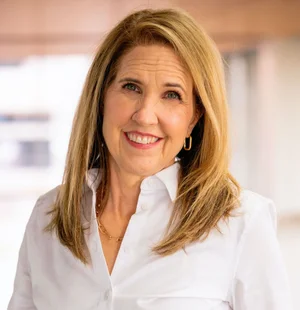
That was one of the most powerful takeaways from a heartfelt conversation between Dr. Heidi and Dr. Scott Hastings on the Get Your Marriage On podcast.
The Messages We Grow Up With Matter
Many of us inherit beliefs about sex long before we get married.
Some are taught that sex is something to avoid, something shameful, or simply something that shouldn't be talked about. Then, almost overnight, marriage is supposed to flip a switch and make intimacy feel easy and exciting.
For many couples, that switch never happens.
Dr. Heidi shared that, growing up, conversations about sexuality were minimal and often centered on responsibility rather than healthy connection. As a result, she entered marriage carrying confusion, shame, and unanswered questions about intimacy.
The Question So Many Women Ask
One of the most relatable moments came when Heidi admitted she often wondered:
"What's wrong with me?"
She loved her husband deeply and enjoyed emotional closeness, but she didn't naturally think about sex the way she believed she was supposed to. She struggled to initiate intimacy and assumed something was missing within her.
Everything changed when she began studying human sexuality from both research and faith-based perspectives. She discovered that many women experience desire differently than men—and that difference is completely normal.
Understanding Desire Looks Different for Everyone
One of the biggest myths about libido is that everyone experiences sexual desire the same way.
Dr. Scott explained that many definitions of "sex drive" have historically been shaped through a male perspective. Men often experience spontaneous desire, thinking about sex throughout the day. Many women, however, experience what's known as responsive desire—meaning their interest often develops after emotional connection or physical intimacy has already begun.
That doesn't mean one person has a lower sex drive than the other.
It simply means desire may begin differently.
For countless women, realizing this brings enormous relief. Instead of believing they're broken, they finally understand they're normal.
Growth Requires Curiosity
Healthy intimacy isn't something couples master overnight.
It's a lifelong process of learning, growing, communicating, and becoming more aware of yourself and your spouse.
One lesson that transformed the Hastings' marriage was learning the importance of personal identity. Instead of trying to become whoever their spouse wanted them to be, they learned to understand their own thoughts, desires, values, and emotions first.
Ironically, becoming a healthier individual made their marriage stronger.
Real intimacy grows when two secure people choose to know each other more deeply—not when one person loses themselves trying to please the other.
Communication Is a Skill
Talking about sex can feel awkward.
For many couples, it's one of the hardest conversations they'll ever have.
The Hastings discovered that waiting until emotions were high—or frustration had built up—rarely led to productive conversations. Instead, they intentionally created regular opportunities to talk about intimacy in relaxed, safe settings.
Those conversations weren't always easy.
But over time, they became one of the strongest contributors to deeper trust, better understanding, and a healthier marriage.
A Better Marriage Starts With Learning
One of the most encouraging messages from this conversation is that sexual intimacy isn't about achieving perfection.
It's about remaining teachable.
The healthiest marriages aren't built by couples who have everything figured out. They're built by husbands and wives who stay curious, communicate honestly, repair after mistakes, and continue learning together.
As Dr. Heidi put it, we're only beginning to discover what's possible when couples pursue deep connection, vulnerability, and lifelong growth.
If you've ever wondered whether something is wrong with you, take heart.
You may not need fixing.
You may simply need better information, greater self-understanding, and a spouse who's willing to grow alongside you.
Because some of the most meaningful breakthroughs in marriage begin with replacing shame with curiosity—and realizing that growth is always possible.

-
0:00
Episode Introduction and a Humorous Bedroom Blooper
This week on Marriage IQ, we have a real treat for you.
About a year and a half ago, Scott and I recorded this episode with Dan Purcell from Get Your Marriage On.
He's been really gracious to give us permission to replay it for you to hear.
It took about a year for me to be brave enough to share some of this because it's pretty vulnerable and talking about our experiences.
0:22
So hope you enjoy and give credit to Get your Marriage On.
0:26
Speaker 2
Welcome to Marriage IQ, the podcast helping you become an intelligent spouse.
0:32
Speaker 1
I'm Heidi Hastings.
0:34
Speaker 2
And I'm Scott Hastings.
0:37
Speaker 1
Keep being willing to learn.
I think we're only barely tapping in to what the capacity is to have deep, connecting, transformational sexual relationships.
0:49
Speaker 3
Our childhood and families we grew up in have a profound impact on our world views, including our attitudes towards sex and intimacy.
Not knowing anything different for the most part, we tend to intuitively model what we've seen and absorbed from the culture we grew up in.
1:05
My wife and I are blessed to come from wonderful families.
We had good childhoods and felt the support and care of our parents.
I'm very grateful for it.
Yet after we were married, we were anxious about sex, which we felt was quite taboo and for a long time really plagued us in our marriage.
1:22
The reality is sexual growth and understanding is actually developmental, meaning we grow from stage to stage, line by line, one step at a time if we choose the courageous path of growth.
Like I said, it takes a lot of courage, trust and determination to grow sexually, as an individual and as a couple.
1:41
There are many in midlife that realize their past attitudes towards sex and intimacy are no longer serving them today.
They might come to a crisis in their relationship or feel stretched in their marriage.
To grow and progress.
This podcast, my apps, my programs, and my retreats, I hope help you, whoever you are on your journey, learn truths and apply principles to aid you in your spiritual and sexual development as I believe those two are closely linked together.
2:09
My guest today are Doctor Heidi and Doctor Scott Hastings.
Heidi has her PhD in human development and family studies, and Scott is a medical doctor and physician.
Talk about a smart power couple, right?
They're also the host of the Marriage IQ podcast and I've had the opportunity to get to know them personally over the last year and I am excited that you get to meet them here today too.
2:32
Heidi and Scott, welcome to the Get Your Marriage On podcast.
How are you today?
2:37
Speaker 1
Great.
Thanks for having us on, Dan.
We're happy to be with you.
2:39
Speaker 2
Yes, thank you.
We're glad to be here.
2:41
Speaker 3
That's great.
So to start things off, I want you to tell me a story of perhaps a time you felt really hot and bothered in the bedroom.
2:49
Speaker 2
Well, let's just jump right in.
Why don't we?
Yeah.
Do you want to take this?
2:55
Speaker 1
Sure.
What comes to mind is early on in our marriage, when we were married, the the man who performed our marriage told us that the law of romance was something that we really needed to focus on and live that the law of chastity, which previously had meant don't have any kinds of things that get get you hot and bothered, then change to the romance.
3:20
And so at that point we saw that as burning candles by our bed and.
3:25
Speaker 2
We used a lot of candles.
3:27
Speaker 1
Some good music and we had a canopy bed and so probably.
3:33
Speaker 2
So if you for the guys out there, canopy beds have little lazy stuff that hangs off of it, I'm pretty sure it would not pass any fire codes.
3:46
Speaker 1
Yes.
3:47
Speaker 2
Clearly did not pass fire code in our bedroom.
3:50
Speaker 1
Right so this particular time we were hot and bothered physically when we started to small smoke and looked over and saw flames going up the side of the bed and on the.
4:01
Speaker 2
Pillow because remember this lace it drapes down the bed so the flames are shooting up the the canopy.
4:09
Speaker 1
So that splashed water immediately on our intimate moments and instead ran to throwing pillows out in the garage to try to let's squelch the fire.
4:22
Speaker 2
So our our bed was literally on fire.
4:24
Speaker 1
Burning bed What a great me to start a marriage.
4:28
Speaker 3
That's a great bedroom blooper.
4:30
Research on Women, Pornography, and Sexual Agency
That's awesome.
So Scott, you're a medical doctor, you're a physician.
And Heidi, you have a PhD.
You're a power couple for sure.
4:37
Speaker 1
I want.
4:38
Speaker 3
Thank you.
Can you tell me, Heidi, what was your PhD dissertation about and what did you learn from it?
4:44
Speaker 1
Yeah.
So my area of study is family studies in human development, an area that I really love.
And I studied religious women and their experience with having a husband using pornography in a problematic way or other compulsive sexual behaviors.
5:04
And as part of that, I ended up really focusing on sexuality and how this impacts a woman's sexuality.
5:15
Speaker 3
Great.
What did you learn from the women you interviewed?
5:17
Speaker 1
They largely told me that as a young women and early in marriage, knew nothing about sex other than don't do it, don't do it, don't do it, don't do it.
And then all of a sudden do it and it's going to be wonderful and it's going to be great.
5:35
But they really struggled to make that transition.
And, and in my study, I was studying several different Christian religions as well as Judaism, and I had a Muslim participant as well.
Yeah.
And I will say the Jewish women had a very different experience.
5:53
Their experience was very pro sex, healthy sexuality.
The men were to please their women every week before the start of the Sabbath.
But the Christian women in my study for the most part had no comprehension of what healthy sexuality was like, and this seemed to amplify the distress that they felt when they were doing the best they could sexually.
6:18
Just show up for their husband and then because of pornography felt rejected often.
In 50% of the cases they said he would not have sex with them, probably because masturbation during viewing pornography taints the ability for a man to be intimate when that is a long.
6:38
Speaker 3
Term.
6:40
Speaker 1
Yeah, that's a great way to say that.
Yeah.
But later, as they moved into healing, they wanted to understand what healthy sexuality was.
They wanted to view it from a different lens than what they've grown up with, which for the most part was it's your duty to serve your husband.
6:58
Speaker 3
Gotcha.
6:59
From Conservative Upbringing to Sexual Curiosity and Growth
So we're talking about human development here, and sexual development is that.
It's just that it's a developmental process.
We start someplace and then we got to grow into new capacities.
Can you tell me about your own personal journey developing your capacities here?
7:14
It might even mirror some of the stories of those you interviewed for your dissertation.
7:18
Speaker 1
Sure.
Yeah.
So I grew up in a very conservative Christian home that we weren't really allowed to talk about anything sexual.
My dad tried sometimes, but my mom kind of put a squash on it.
7:33
And that, for me, set the example that this isn't something that you talk about.
And when it was time to get married, the discussion was extremely brief, basically focused on my responsibility as a wife.
7:49
Speaker 3
You have a duty to perform, I see.
7:52
Speaker 1
Yes.
So that's how I entered marriage.
I was very young and then in that first marriage there was a lot of infidelity.
So that also really tainted the way that I felt about sexuality.
8:07
So I had a lot of baggage from that.
And yet, when Scott and I married, I was excited to have a sexual relationship with him and he's been so amazing and patient with all of that.
8:21
Speaker 3
Great.
8:21
Speaker 2
It's interesting hearing this story again.
I think that it's a journey of learning, and I find it highly unfortunate that we don't look at sex more positively as youth.
Yes, I think there's this concern that, Oh my gosh, they're going to take this information and go out and just screw everyone.
8:43
But yet if you look at data, that's not the case any more than if you weren't, in fact, probably even less so.
And I just, I don't understand why a lot of people have to live half their lives at least living in this kind of a sexual no man zone, a, you know, a purgatory if you will.
9:04
I just don't.
I don't get it.
9:06
Speaker 1
So I came into my marriage with Scott, wanting to be close to him, excited for new possibilities, hoping for trust this time and and yet still carrying with me a lot of the baggage from both religious scripts and betrayal trauma that made it.
9:30
I think we had a decent experience but sex was more on the periphery for me and when he would suggest things typically the good girl in me was now I don't want to do that.
9:46
Speaker 3
Right.
9:47
Speaker 1
Who would do that?
And he was good to always get consent, but I think it's done to the growth of our sexual development, mine at least well.
9:56
Speaker 2
Yeah.
Well, I think it's interesting because I don't think you ever said no as far as I can remember.
But yet perhaps.
10:05
Speaker 1
No to having sex, but I did say no to certain things.
OK.
10:10
Speaker 2
It just appeared that like you said like sex was still kind of on the sideline.
Yeah, it was something you did.
It wasn't something that you are right and though that that's took some time did.
10:24
Speaker 1
Yeah.
And for us as humans who have that similar background, the majority, research shows, stay in that lower level of development for their entire lives. 60% stay in that lower level of development.
10:41
Speaker 3
Yeah, 'cause it takes an incredible amount of courage to push through to get to that next stage, doesn't it?
10:47
Speaker 1
Well, it takes courage or crisis and for the women in my study, it took crisis to be able to look and say as they were healing, as they were learning, something was missing.
Something was really missing.
11:04
And I want to do things different now.
Quite a number of them would say I want to learn about healthy sexuality and those who stayed with their husbands, which about 1/3 did, they had completely transformed the sexual relationship within their marriage.
11:20
Speaker 3
That's so.
That's great.
That's so hopeful.
I like that.
Yeah.
So tell me about your own crisis.
I'm sure things didn't stay that way for a long time.
11:29
Speaker 2
What are you talking about was bliss from the beginning and I'm a great.
11:36
Speaker 1
Liar.
So I don't know for me that it started out so much with crisis.
At that point, I'd had other crises that still didn't push me into future development and growth in this area, and I did start to be curious about what's wrong with me.
11:53
I felt like all of the things that I hear other people talking about, I'm not.
Yes, I felt very close to my husband when we had those deep sexual intimate moments.
But I didn't have language to describe what I wanted.
12:12
I didn't have really good understandings of the sexual biology and Physiology of a woman.
And so you.
12:23
Speaker 3
Didn't realize this at the time.
You didn't.
12:26
Speaker 1
Well, I was starting to have little bits of, yes, you're right, I didn't understand it, but I was starting to become a little bit curious.
And I found a book that was written from a religious perspective, which for me as a religious woman is exactly what I needed, and started to have these aha moments of Oh my goodness, I am not broken after all.
12:50
Speaker 3
Uh huh.
12:51
Speaker 1
Because I think up to that point, there was a lot of not understanding.
You know, Scott would say, why can't you initiate more?
Why can't you initiate more?
Why can't you initiate more?
Like, I don't know.
I just don't think about it.
I am busy with the kids.
I am busy with this, I'm busy with that.
13:08
And I think a lot of times too, in those experiences, my head wasn't totally present, which I didn't understand was normal also.
And so I was feeling what is wrong with me.
So this book really helped for starters.
13:26
How a Class Transformed Views on Female Libido
The second big thing I think helped was I felt very, very inspired to go to grad school and as part of my human development and family studies program, if I wanted to become nationally certified as a family life educator, I had to take a class in family sexuality.
13:48
And I really wanted the certification.
I really wanted to have those letters behind my name and that that capacity and those possibilities.
But I was dragging my feet on the family sexuality class and I saved it till almost the end and I thinking and praying about it and eventually decided yes this is what I need to do.
14:09
Went to the class.
14:10
Speaker 3
By the way, why do you think you felt so much resistance about taking the class?
What were you anticipating?
Being uncomfortable about it.
14:18
Speaker 1
It was at a university that was pretty liberal and I wasn't sure if my values would be.
14:26
Speaker 3
Respected maybe?
14:27
Speaker 1
Yeah, and as well, I think I'd still just didn't have the language to speak about sex.
And so it was just really highly intimidating with a good girl type of a syndrome.
A lot of the things I heard other people talking about I understood as sin.
14:44
So that was how I'd framed it in my mind that I still think there was an element of talking about sex that made me feel some shame.
So I took the class.
It was about a 400 page textbook, of which only three pages were on marital sex.
15:04
OK?
And a lot of it was on things about sexuality that made me so uncomfortable.
I, my fears were coming true, right?
And yet I had assignments that I had to do.
And I would stress about it.
15:20
I would cry about it.
I would just stress and fret.
And finally went to prayer, just really, really sincere prayer, asking God to help me see sexuality through his eyes.
And things started to change.
I was able to start finding resources, research that aligned more closely with my belief system, and started to see women's sexuality in a different light.
15:49
It's like, Scott said, often defined through the lenses of men because early research is almost all done by men and.
15:58
Speaker 2
If you want to look at the definition of libido and research, it's through a men's perspective and we need to change that.
16:05
Speaker 3
Let's talk more about that, Scott.
16:07
Speaker 2
Yeah, we both like, love to do research.
So we look up studies.
And the thing that's interesting to me is that when we talk about libido, when we talk about sex drive, we think that's sitting there thinking about sex, that's wanting sex, that's thinking about my partner desiring to have sex with them.
16:31
OK, So we need to back off, back away and start thinking like a woman, OK, And most women how?
16:39
Speaker 1
Do women think what?
16:40
Speaker 2
No, look, I'm a guy.
I can't change that, right?
But I can try really hard to get in the shoes of a woman.
And the reality is, and there are several books and papers on like, women largely do not think about sex.
17:00
They don't wake up in the morning like men do and say, how am I going to get some nookie today?
They just don't.
And that's OK That's normal.
That does not mean they don't have a sex drive because again, we're defining everything through what a guy thinks of as sex drive.
17:19
And that is you wake up in the morning and I'm thinking about sex.
A lot of guys.
17:25
Speaker 1
Many times.
17:26
Speaker 2
Through the day, many times through the day about sex.
So really a lot of times for women that sex drive does not begin until actually intercourse has begun and the process that begins with the penile stimulation.
17:43
Of course, there are other things that go into play as well with foreplay and mentally and emotionally getting ready for it.
17:51
Speaker 1
And emotional intimacy, yes.
17:53
Speaker 2
But when you want to talk about sex drive from a female point of view, a lot of times it does not begin until sex has begun.
And it's really hard for men to wrap their heads around this idea.
18:09
But when we talk to women about that and they like this light bulb goes on, it's like, oh, yeah.
And it's just defined differently.
And so I think it's really important to be sensitive about when we talk about higher and lower desire partners.
18:27
If we're specifically talking about sex drive, we I think should be careful because we certainly don't want to label people and say this is who you are, right?
And that desire increases, decreases up and down between partners over a lifetime.
And we want to make sure we define that because sometimes it may very well be that those libidos are matched.
18:48
It's just we're defining them in a different way.
That's good.
18:51
Discovering Self-Differentiation for a Passionate Marriage
I think it's a light bulb moment for a lot of women to hear that presented that way.
And they're like, oh, I'm not broken.
I'm not, you know.
19:00
Speaker 1
The brain is because I'm sex organ for women and for men, but for women in making the decision first, right?
19:07
Speaker 3
And.
19:07
Speaker 1
Then paying attention to our bodies.
19:10
Speaker 3
Right.
So Scott, what was your experience like with Heidi going through this sexuality class?
What was going on your side of things?
19:18
Speaker 2
I remember thinking, it's about time.
I just remember like this big weight off my shoulders and like wow, this is awesome.
And this is, mind you, this is before all the kids are out of the house.
19:35
And so our kids, I think they've been scarred for life.
But I think in a good way, they know we have a very healthy sexual relationship.
They're very well aware of it.
You can't hide it much when they're still in the house.
But, I mean, it was a start of a new journey.
19:50
And I'm like, OK, giddy up.
Let's go.
Yeah.
19:55
Speaker 1
So a couple years before that Scott had gifted me the book The Passionate Marriage by David Snarts doctor David Snart.
20:03
Speaker 3
And that's a very thoughtful gift, I should say.
20:06
Speaker 1
I didn't find it to be very thoughtful.
I thought.
Once again, evidence that I was broken.
Once again, evidence that I wasn't enough.
20:16
Speaker 2
I was really scared to show it to you.
I waited months before I showed it to you.
20:20
Speaker 1
But when I was doing my research for this sexuality class, family sexuality class, this is one of the resources that I went to.
I remembered that he gave me that, that book and I loved, loved, loved reading what he's got in here about self differentiation, about.
20:39
Speaker 3
Development.
20:41
Speaker 1
Human development just goes along exactly with what I was studying at the time, and I think I learned far more by reading his books, by reading some other research, than I did at all with anything from the textbook or anything else in the class, and it was a game changer.
20:59
Speaker 3
Heidi, if you were to summarize the heart of the message of passionate marriage for people who've never heard about it before, what would you say is the part of the message of the book?
21:09
Speaker 1
Well, I feel like understanding my own identity and becoming strong in who I am.
Knowing what I believe, knowing what I think, knowing what my desires are, knowing how my body responds to things.
21:25
Just becoming more self aware and more focused on my sexual identity is vital because if all of my sexual preferences based upon my husband, it can do nothing good for me.
21:41
But that can do little for me and that became very evident in my research.
The women started to fill their husband's pull away.
They started to suspect something was wrong with either the pornographies or the other compulsive sexual behaviors, infidelity or whatever, and they kept trying to control the relationship.
22:03
True giving away their own sexual agency.
OK, I know I wouldn't said I wouldn't do this before, but now I will do it.
And like, they gave away so much of their agency step by step by step that then finally, when they figured out what it was that going was going on and they felt betrayed because of the behaviors, they had no leg to stand on.
22:27
They didn't know who they were anymore.
They had no solid, stable foundation of their own sexual identity, of their own self.
So having a reflected sense of self in their case and in even my own case was more destructive than if we take that time and make that effort to understand who we are, what we believe, what we like, questioning our thoughts, making that a part of our identity.
22:53
Speaker 2
I would say with the passionate marriage, just learning identity, being intentional learning insight and.
23:00
Speaker 1
Growing intimacy, which those are the four foundational cornerstones of our podcast and they came from my research, which I did use some Doctor Schnarge references in my research.
23:12
Speaker 2
Because isn't it true?
Like if you have a truly passionate marriage, it's fearless.
It's one where you feel very comfortable going really deep, very vulnerable, very intimate with your partner and being OK with each other.
So I did on a deep level.
23:26
Speaker 1
Yeah, I'm glad you said that because the other thing, the other side of that and the what I got out of this book is then I need to be flexible with what my partner thinks that's different than me.
I don't shame him and feel like you're bad.
23:42
I'm good.
I don't want to use the I don'ts.
I'd rather say I do curiously want to understand where his perspective is coming from and be open to talking about things in an intimate way without feeling like I need to fold into his same person.
24:01
We're two individuals.
Our superpower is that we think differently and we can bring both schools of thought to the table.
24:09
Speaker 2
Well, and let me tell you, Dan, that takes a lifetime to get there.
It does.
It takes a lifetime of learning and sharpening the saw once you get there, it's because if you don't sharpen it, it just goes backwards.
And it takes a lifetime of learning about your spouse.
24:29
I don't know my spouse.
I believe we've been married for 28 years, but I don't know her.
And the moment I think I know her, I'm lost because we've lost that intimacy, because I've lost the curiosity.
So.
24:44
Speaker 3
So good.
24:45
Speaker 2
I always have to be curious.
Even if I've known you now for 29 years, I don't know you, so I need to find out.
24:56
Speaker 1
And that's always helpful in keeping a sexual relationship a little bit scintillating.
25:03
Speaker 3
That's good.
So tell me more about this class, this book, this research, and then your own dissertation.
25:11
The Lifelong Journey of Vulnerable Sexual Communication
Now, if you had a message for the world, what would it be?
25:15
Speaker 1
Oh my goodness, let me add one more thing.
Can I add in?
25:19
Speaker 3
Yeah, yeah.
25:20
Speaker 1
Yeah, part of my journey that was very transformational.
And I was at a National Council of Family Relations annual conference here in the Dallas Fort Worth area and met Doctor Shalom Levitt, who you've had on your podcast.
And she was asking about sexual mindfulness.
25:39
And that took our understanding of sexuality to a whole new level.
That was really beautiful and wonderful.
And she and I connected and she opened up so many of her resources to me.
She was so generous with that.
25:55
So perhaps that leads into answering your question.
And that's keep learning, keep being willing to learn.
I think we're only barely tapping in to what the capacity is to have deep connecting, transformational sexual relationships.
26:14
And I don't think that is all about tips and tricks.
I think it's about deep, deep intimacy, deep connection, deep learning together, vulnerable communication.
Sexual communication's a big part of that.
26:28
Speaker 2
So that takes a lifetime, though we say vulnerable communication, but what we mean by vulnerable communication is a lifetime of giving and taking, of perhaps feeling offended sometimes or feeling hurt or feeling angry and then coming back, knowing the steps to repair, right.
26:54
Because when you say vulnerable communication, that takes an entire lifetime of getting there.
And the thing that's funny, exciting, whatever how you want to put it, is that as we find new, deeper levels of communication between each other, it's even more grandiose, more scintillating than I we could ever imagine.
27:17
Like even before, it's like, wow.
And guess what?
It can only be done between one man and one woman.
It's not between a man and a lot of girlfriends or prostitutes or a woman with having affair with.
27:34
Speaker 3
It can't produce the.
27:37
Speaker 2
Apex of life that I think God wants us to have to experience can only be found in this very deeply intimate, personal, lifelong experience with your spouse.
27:51
Speaker 1
And sometimes you think things are going to work and they don't, and you back up and you try it again.
27:57
Speaker 2
That doesn't mean you run away, right?
That doesn't mean, oh, I'm out.
This is messy, I don't want it.
28:03
Speaker 1
And when we get busy, sexuality can be one of the first things to go when there are so many busy, busy things.
And so having it on the calendar, having it scheduled, making it a priority is vital to keeping it moving, keeping that scintillating part of our marriage growing and transforming.
28:25
Intentional Strategies for Effective Sexual Communication in Marriage
It's so good, great in all of this that you're talking about.
I can see couples need to develop great sexual communication skills.
Can you tell me about what you've learned along the way about how to communicate about sex effectively as a couple?
28:39
Speaker 1
Yes, I think we started to, as I started to learn more about healthy sexuality, we realized sexual communication.
This is really important and because I formerly hadn't had the language to talk about it, needed to learn more about biology and Physiology and more about sexual anatomy in terms and.
29:03
Speaker 2
But let's be honest here, it's hard, it's difficult.
And So what we have done in our relationship is we have written it down as a weekly goal.
Like it's written down.
It's part of the intentionality to talk about it every week.
29:21
And I keep track.
So I can see at the end of the year that what percentage of the weeks we talked about sex.
29:29
Speaker 1
Now with that, let me say it.
It was not always successful and it was not always comfortable.
29:35
Speaker 2
Yeah, no, I don't want you to have the illusion that it was this perfect project and it's still a work in progress.
To be honest, it is.
29:43
Speaker 1
We started out by talking about it on our dates on Friday night and my head's not there.
29:52
Speaker 2
That did not work.
Yeah, we determine Heidi's head needs to be in the game, so.
29:56
Speaker 3
We.
29:57
Speaker 1
So for us, for my head.
29:59
Speaker 2
My head's always in the game, so that's not a, that's not a problem.
30:03
Speaker 3
Uh huh, Uh huh.
30:04
Speaker 1
So for me, my head is in the game right after we have sex.
It's not in the game three hours later or three days later or whatever.
And so.
30:13
Speaker 2
Yeah, we also, this might sound funny, but every week we attend a religious meeting and on the way we read from this book on sex and we discuss it.
And so between those two things, right after sex and in the car and we record it, we remember, we discuss it, it's very nice to be able to have this weekly discussion on sex.
30:39
Typically when there's a request to do something sexually, this can be met with some resistance.
So I think it's important to make sure that we're all in the right headspace when we're talking about these things to be open, make sure we're well fed, we're well rested.
30:59
We are just open and to present things in ways that are very open and not well, I want this, you want that or do you want this?
So you need to do this.
Like that's the tit for tat thing is not does that doesn't work.
31:14
Speaker 3
Right, right.
31:16
Speaker 1
Equal power, equal ability to give consent, all of those things are are great things to include in sexual communication.
31:25
Speaker 3
It'd be equal partners in it.
We share something as I, my wife and I have been reflecting our very best sexual experiences that we've ever had.
Just say our top three.
One thing in common is they all started very organic.
31:41
It wasn't a produced thing.
It wasn't a force thing.
There's this idea of coming to this base camp, this home place, and then things kind of unfold from there.
And our worst sexual experiences are when it's not that way.
It's like you're trying to produce something or we're trying to get to some sort of a goal or something.
32:01
Or it's about you don't do this enough, so OK, I'll give in.
So I do that.
Then it's just this forced thing.
It's never ends up being a good experience, so I like that.
32:11
Speaker 2
Well, we I think things can be planned, but not forced.
32:15
Speaker 3
Yes, Yeah, yeah, yeah.
32:16
Speaker 2
So planning sex is actually really healthy, putting it on your calendar, planning the time.
But so is unscheduled sex too, right?
But I see what your point kind of letting it unfold organically is really nice.
32:28
Speaker 1
And that's where I think sexual mindfulness really plays in.
That is such a great.
32:33
Speaker 2
Yes, Shalom Levitt.
32:34
Speaker 1
Way for that?
32:36
Continue Your Journey: Marriage IQ and Partner Resources
Yes.
And for our listeners, I did a three-week intensive seminar series with Shalom Lovett you can find on our website and we'll go in depth on all these topics that we're hinting on here, so.
32:49
Speaker 1
Yes, yeah, Such a great program she's got there.
32:52
Speaker 3
Yeah, very good.
Where can people go to learn more about what you do and your podcasts and things like that?
32:58
Speaker 2
Well, we have our podcast, Marriage IQ or website, marriageiq.com, and we bring research, we bring life experiences, we bring stories.
We talk about how to become a better spouse by becoming a better person.
33:18
That the intelligence spouse knows that in order to change your marriage from a stinky to a scintillating one first requires a change in yourself.
33:30
Speaker 1
And that links back into self differentiation and know ourselves.
33:36
Speaker 2
Yeah.
33:37
Speaker 1
Yeah.
So I also have a website, doctorheidihastings.com with no period after the doctor where I have some of my research on there.
We have betrayal IQ also that we're going to be starting up before very long and we hope soon to launch Newlywed IQ.
33:59
Speaker 3
Very good.
34:00
Speaker 1
Sexuality will be a piece of all of these.
It's all human development.
It's all based on our 4 foundational cornerstones again of identity, intentionality, insight and intimacy.
34:15
Speaker 3
Very good.
Well, thank you very much.
It's such a pleasure to have you here and share your wisdom with me and with all of our listeners.
Thank you.
34:24
Speaker 2
Thank you for.
34:25
Speaker 1
Inviting us and it's good to see you again.
34:28
Speaker 3
Thank you for listening to this episode.
Please share it along with our apps intimately us and just between us with their married friends.
I promise they will thank you for a life.
If you want a more meaningful sexual and intimate connection in your marriage, I invite you to check out my Get Your Marriage On program.
34:46
Over 100 couples have said this program packs tremendous value and has helped their intimacy grow to the next level.