Stop the Cycle of Miscommunication: Build a Stronger Marriage
Six Communication Habits That Can Bring You Closer to Your Spouse
Have you ever argued with your spouse about something small, only to realize later that it was never really about the thing you were arguing over?
Maybe it was an unmade bed, a pile of laundry, an overflowing trash can, or a forgotten responsibility. On the surface, the issue seems simple. But underneath, there may be a deeper need to feel loved, appreciated, supported, or understood.
In marriage, small moments can gradually create distance between two people who still love each other. The good news is that these same moments can become opportunities for connection when couples learn to communicate differently.
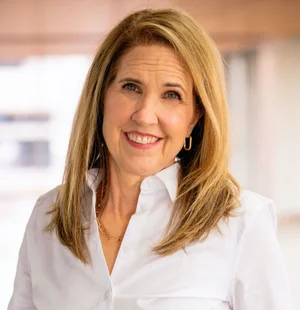
In an episode of Marriage IQ, Dr. Heidi Hastings and Dr. Scott Hastings welcome relationship coach Rebecca Mullen, author of Steps to Better Marriage Communication and host of Habits for Your Happily Ever After. Drawing from her personal experiences and coaching work, Rebecca shares six communication habits that can help couples build stronger, healthier relationships.
1. Overcome Fear Before It Shapes Your Words
Rebecca spent years feeling frustrated that her husband, Dave, wouldn't make their bed. She repeatedly asked why he never did it, believing that he simply didn't care about her request.
But the real issue went much deeper.
Rebecca's parents divorced when she was five, leaving her with an underlying fear that her own marriage might eventually end. Without fully realizing it, she had begun interpreting the unmade bed as evidence that her husband wasn't taking care of their relationship.
As Rebecca eventually recognized, it wasn't really about the bed. It was about her fear of losing her marriage.
Fear can show up in different ways, including anger, control, defensiveness, suspicion, and perfectionism. Sometimes, these reactions are attempts to protect ourselves from getting hurt.
Instead of trying to ignore your fear, take time to examine it. Ask yourself: What am I really afraid of in this situation? Understanding that emotion can help you respond to your spouse with greater awareness rather than reacting from a place of insecurity.
2. Get Clear About What You Really Want
Once Rebecca understood her fear, she could begin identifying what she actually needed.
She realized that making the bed represented something bigger: she wanted to feel that her husband was actively caring for their romance and their relationship.
This distinction matters because we often communicate our frustration without explaining the need underneath it. We complain about the dishes, criticize how a task was done, or make comments about what our spouse never does. Yet our real desire might be to feel supported or to know that our efforts matter.
Before raising an issue, ask yourself what you genuinely want from your partner. Is it help with a responsibility? More affection? Quality time? Reassurance that you're facing life's challenges together?
The clearer you become about your needs, the easier it is to express them in a way your spouse can understand.
3. Make a Clean Ask
Rebecca describes a clean ask as a direct request that allows the other person to answer honestly, including saying no.
Instead of saying, "You never make the bed," Rebecca eventually asked her husband, "Would you be willing to make our bed if you're the last person to get out of it?"
Dave said no.
Surprisingly, this became a turning point. Rather than dismissing her feelings, he hugged her and explained that he had never realized the unmade bed was connected to her fear about their marriage. He acknowledged that he hadn't understood what she had been trying to communicate.
They were then able to separate the bed from the meaning Rebecca had attached to it.
When she asked what might make the task easier, Dave explained that the many pillows and complicated bedding made it feel like too much work. They simplified the bed, and he began making it every day.
The lesson is powerful: a clear request isn't a guarantee that you'll get your preferred answer. It's an invitation to have an honest conversation. Giving your spouse the freedom to respond can open the door to solutions that work for both of you.
4. Beware of Conditional Love
Conditional love happens when affection or connection is offered or withdrawn to pressure someone into changing their behavior.
Rebecca admits that she sometimes responded to her husband's refusal by giving him the silent treatment. She wanted him to do what she asked, and withdrawing affection became a way of expressing her frustration.
But this approach can damage a relationship by making love feel dependent on compliance.
Rebecca shares another example from her marriage. While her husband was completing medical training, she went away on a writing retreat and returned home to find the children in their pajamas, a pile of laundry, and pancakes being made for dinner. She felt unappreciated and angry.
Years later, she learned that her husband had recently experienced an exceptionally difficult emergency-room shift, during which he had to tell a man that his wife and son had died. When he came home, he needed rest and time with his family.
Rebecca hadn't known what he was carrying. Instead of asking questions, she had interpreted the situation through her own frustration.
This story reminds us that we rarely know everything our partners experience throughout the day. Before assuming the worst, try curiosity. Ask what happened, listen to the answer, and allow room for grace.
5. Affirm Lovingly
Every marriage experiences misunderstandings and disappointments. According to Rebecca, intentional affirmation can help counterbalance the negativity that naturally creeps into relationships.
Sometimes, a simple "thank you" can change the tone of an entire interaction.
Imagine if Rebecca had returned from her retreat and thanked Dave for taking care of the children while she was away. She could have acknowledged his effort rather than focusing only on what hadn't been done.
This doesn't mean ignoring genuine problems or pretending everything is perfect. It means recognizing the good that exists alongside the frustrating moments.
Thank your spouse for the everyday things they do. Appreciate their effort, acknowledge their sacrifices, and express affection without waiting for a special occasion.
Over time, these small expressions of appreciation help create a relationship where both partners feel seen and valued.
6. Build Healthy Boundaries
Boundaries are often misunderstood as rules designed to make another person behave differently. But, as Rebecca explains, a healthy boundary is about what falls within your own control.
She learned this through ongoing disagreements about finances. Rebecca and Dave shared their money, but their different spending habits created conflict. As a saver, Rebecca often felt responsible for managing the finances and covering the consequences of her husband's spending.
Eventually, she established a boundary: if Dave was going to make spending decisions, he needed to take responsibility for balancing the checkbook.
This wasn't about forcing him to change. It was about recognizing her own limits and deciding what she was no longer willing to take responsibility for.
Healthy boundaries protect your sense of worth while respecting your spouse's agency. They can also change as circumstances and people change. The goal isn't to build walls but to create a relationship where both partners can take responsibility for their choices.
Building a Stronger Marriage, One Conversation at a Time
Better communication doesn't happen overnight. It requires self-awareness, honesty, patience, and a willingness to reconsider the stories we tell ourselves about our partners.
Rebecca's experience shows that repairing a relationship isn't simply about ending an argument or getting someone to agree with you. It's about understanding the fears and needs beneath the conflict, communicating them clearly, and learning to embrace the differences between two people.
The six habits offer a practical place to start: overcome fear, get clear, make a clean ask, beware of conditions, affirm lovingly, and build boundaries.
You don't have to change everything at once. Start with one conversation. Replace an accusation with a question, a complaint with a clear request, or criticism with a sincere thank-you.
Sometimes, the smallest changes create the space for the deepest connection.
To learn more about Rebecca Mullen's work, visit rebeccamullencoaching.com or listen to her podcast, Habits for Your Happily Ever After.

-
0:00
Welcome to Marriage IQ: Unpacking Communication Challenges
He said no.
He said no, I am not willing to.
0:03
Speaker 2
So what did you do then?
0:05
Speaker 1
Well then what he did is he walked over and he gave me a hug.
0:13
Speaker 3
Welcome to Marriage IQ, the podcast helping you become an intelligent spouse.
0:18
Speaker 2
I'm Heidi Hastings.
0:20
Speaker 3
And I'm Scott Hastings.
0:22
Speaker 2
We are two doctors, 2 researchers, 2 spouses, 2 lovers, and two incredibly different human beings coming together for one purpose.
To change the stinky parts of your marriage into scintillating ones using intelligence mixed with a little fun.
0:43
Most couples don't wake up one day and suddenly feel totally disconnected.
It happens in little moments.
The things that we don't say to each other, the needs we don't know how to ask for, and the apologies that don't quite repair the hurt.
Those habits that slowly create distance between two people who really still do love each other.
1:03
But those same small moments can also move a marriage in the opposite direction.
Disconnection.
Today we're talking with Rebecca Mullen, authored 6 Steps to Better marriage, communication and host of habits for your happily ever after.
Welcome Rebecca to Marriage IQ.
1:19
We're so happy to have you here today.
1:21
Speaker 1
Heidi and Scott, thank you so much.
I've been looking forward to this conversation and your introduction just underlines why I wanted to be on your show because it's that intentionality that you have to the tiny habits and the personal insight that helps us to grow in our relationships.
1:40
Speaker 3
Yeah, We have our four cornerstones our audience is well aware of and we love to find people who have their own perspective.
We loved your steps that you have here about communication with your spouse and you've kind of formalized it as well, right?
2:00
Speaker 1
Yeah, I wrote a book.
Thanks for mentioning that I after years of both personal failing and I am a relationship coach, I've kind of honed these 6 steps that I found resonated with me personally.
2:18
Speaker 2
So I've been learning about the hero's journey, about almost every movie is about the hero's journey, and part of that is failure.
You said that you had your own failures.
2:29
Speaker 1
The reason that I came up with this quote UN quote clean ask formula is because honestly, Heidi and Scott, I spent almost 20 years, I'm embarrassed to say almost 20 years asking dirty for the thing that I most wanted.
2:49
And I didn't realize I was asking dirty.
I thought I was asking over and over and I thought my husband just didn't care and that's why he wasn't giving it to me.
Can I tell you the story?
3:00
Why Our Requests Often Come Out as Complaints
All right, first of all, asking dirty, asking clean, like some people might think that you're into erotic literature.
3:07
Speaker 1
Right.
3:08
Speaker 3
So just explain what does that mean?
Asking dirty.
3:12
Speaker 1
So for me, a dirty ask is like, are you going to take out the trash or you should take out the trash, or you never take out the trash.
A clean ask implies the vulnerability of a yes or no answer because you're giving agency to that other person to say yes or no.
3:34
Well, that's pretty scary because it's so vulnerable.
They might say no.
So that's why we're tempted to ask dirty.
It's a self protection.
I don't want them to say no.
So I'll ask in a way that I kind of sidestep the vulnerability by saying you never take out the trash.
3:52
Speaker 2
OK, back to your story.
Tell us your story.
3:54
Speaker 1
So for me, I was asking dirty.
What mattered to me was that my husband make our bed.
I was an early riser and he also was a shift worker.
And so he would sometimes not get up until noon because he didn't get into bed until 5:00 AM.
4:12
And then I would later in the day, go back into our bedroom and just find this rumpled pile of sheets and blankets.
And so I would say it would mean a lot to me if you'd make the bed or you never make the bed or how come you don't make the bed.
4:29
I think that was my most prevalent dirty ask was how come you never make our bed?
And I thought that was me asking my husband on the receiving end felt very attacked.
How come you never like that?
4:46
Made him just feel like I was accusing him left and right.
And based on some of your foundational principles, you know, what I needed to return to was that foundation you have about identity.
Who was I in this relationship?
5:03
And I was a person who had a huge story about marriage.
My parents divorced when I was 5.
And I kind of was just waiting for my husband to say I think it's over or even for myself to give up.
5:21
But I just was expecting our marriage to end, certainly subconsciously for a long time.
But then I think once I began to do that foundational work that you describe about understanding my own self in the relationship, I began to see how my identity about marriage, this will end.
5:43
I was kind of subconsciously asking the question, what will be the thing that will make our marriage end?
And I found it in this rumpled pile of sheets and blankets.
And so that's why my question to Dave was, how come you never, What I really was saying was, how come you don't care about our marriage enough to make this bed?
6:04
But I never said that out loud.
6:06
Speaker 2
It wasn't about the bed.
6:08
Speaker 1
It wasn't about the bed, Heidi.
Exactly.
6:11
Speaker 3
It's usually not about the bed, right?
6:12
The First Two Steps to Clean and Effective Communication
But that's true.
6:14
Speaker 1
Yeah.
And so once I began to understand that really the first step to a clean ask is uncovering the fear that I had inside and really finding a way to personally overcome that fear.
6:31
Step one in my book is overcome fear.
That's the first step to really clean communication.
You can see that my fear that we were going to get divorced was polluting the ask about the maid bed.
Can you guys see that?
6:47
Speaker 2
Yeah, I think that takes a lot of self-awareness or insight, another one of our cornerstones to look inside.
Once we know ourselves to look inside and say, OK, what is the fear under this?
What are some other fears that you see in other couples that you work with that might be undermining the marriage?
7:09
Speaker 1
Yeah, so mine was I'm afraid you'll leave me.
That's the basic fear.
But other ones are I'm afraid I'll be all alone in this.
The big one for people that argue about sharing chores is I'm afraid I won't have help.
7:25
Or if you are a person who feels like my sweetheart never plays with me, it's I'm afraid it's all work and no play.
I'm afraid the spark is gone because all we do is live into these responsibilities of cooking, cleaning, cleaning, cooking.
7:44
Speaker 2
Interesting.
7:45
Speaker 1
So after I overcame that fear, then Step 2 in my book is get clear.
I needed to get clear about what I wanted.
And like you said, Scott, it wasn't about the bed.
Once I began to put together, oh, I want him to make the bed because what that means to me is that he's caring for the romance of our relationship, that he's tending that part of our marriage.
8:14
And once I got clear of my desire was I want to see that you're tending to our relationship just like I tend to it, then I was clear about what I wanted.
And that set me up for a really clean ask.
And so my clean ask sounded like this.
8:30
Overcome my fear.
Dave, my parents divorced when I was really little, and I'm afraid we're going to get divorced and around every corner.
I'm just looking for the evidence of what's going to make that happen.
Step 2.
I got clear about my desire and articulated that it sounded like this.
8:48
I want you to make the bed, not because I care about the bed, but because I care to see that you're tending.
When you make the bed, it feels like an expression that you're tending to our romance.
9:01
Speaker 2
So what you're saying then is the clarity that's missing actually usually comes out as maybe a complaint or a hint or an accusation?
9:14
Speaker 1
I love that.
That is exactly it.
Yes, say that again.
A complaint, a hint or an accusation?
9:22
Speaker 2
It comes out as something totally different than what the actual need is.
9:26
Speaker 1
And it was focusing on the maid bed instead of focusing on I want to see evidence that you're tending to our romance.
9:35
Speaker 2
So many of us fall into that habit, I guess, of just expecting our spouse to know what we want.
Or like I said, complaining, hinting, expecting, mind reading.
9:51
But I love that you're saying to have really good healthy communication, we have to be really clear about not only what it is that we want, but a soft way to explain also.
10:05
How Internal Work Transforms Your Communication Style
This is why.
This is what's underlying that.
So that takes a lot of internal work, right?
10:10
Speaker 1
Oh my gosh, it's so much internal work.
And like you're both saying, I needed to look inside because the story I was telling myself was if Dave doesn't make the bed, that means he doesn't care about our romantic life.
10:28
That story was so not true.
And this is what led me to Step 3, the clean ask because I found that story, if Dave loves me, he will make the bed.
And then I said, is that true?
10:43
And Scott and Heidi, I got to tell you that immediately when I asked that question, I went, no, not true because I know that my husband just doesn't really care about whether the bed is made or not.
And.
10:56
Speaker 3
It's why on earth do we tell ourselves these stories?
11:00
Speaker 1
I know, I know.
11:01
Speaker 3
Why do we do this?
Every one of us do that.
11:03
Speaker 1
But for me personally, I think I told myself that story because if I focused on the unmade bed, I didn't have to address how scared I was that my marriage wasn't going to last.
So the story was kind of protecting me from my deepest fear.
11:21
Speaker 3
The bed was a scapegoat.
11:23
Speaker 1
Yes.
11:24
Speaker 2
And it goes back to the number one habit or stuff of fear.
11:29
Speaker 1
Yes, overcoming your fear and that's why your foundational habit of identity and understanding yourself and doing that internal work, that's the very foundation of any kind of relational aspect we have.
11:48
But I think our fear does disguise itself because fear is a protective emotion.
The intention of fears emotion, the job that fear is doing, it's trying to protect us.
And so fear becomes kind of sneaky and it wears all these disguises and anger is definitely one of them.
12:09
For me.
My fear disguises itself as control.
So the more afraid I got, the more controlling and controlled I became.
And you can imagine my poor husband is just going.
There is no access into that Iron Lady.
12:26
I mean, I was just steal.
12:29
Speaker 3
So we're saying be fearless, but yet all these people I can hear already hear them.
That's bullocks.
You can't just say be fearless.
Throw caution through the wind.
12:41
Speaker 2
Examine your fear.
12:43
Speaker 1
Yes, yes.
12:45
Speaker 3
Here's the thing, Rebecca.
It's so easy to swing from one extreme to the other.
Do you know what's really hard to do is to balance it in the middle?
12:57
Speaker 1
No.
Well, I like the frame of examining the fear rather than lessening the fear.
13:03
Speaker 2
Yeah.
13:04
Speaker 1
Just because the more I tried to say don't be afraid, don't be afraid, the more afraid I got.
Because that's just the nature of fear is like an explosive, the more you squeeze on it, the the more it's going to explode.
And for me it exploded as more control I got more controlling.
13:23
Speaker 2
What other ways does it come out for other couples?
I see a lot of us, especially women, well, men probably too, who want to control things.
I hadn't always realized that often comes from fear, but what other ways does it come out?
13:39
Speaker 1
I think anger, OK, Protectiveness, you know, so sort of suspicion, like people whose fear gets disguised as suspicion, they see every single move of their sweethearts as an attack, as in a potential attack.
13:55
And so the story they're telling themselves is that person's out to get me.
14:00
Speaker 2
Defensiveness.
14:01
Speaker 1
Yeah.
14:02
Speaker 3
Maybe some hyper vigilance too.
14:04
Speaker 1
Hyper vigilance sounds like a great disguise.
Yeah, for sure.
Perfectionism.
Perfectionism is a great disguise that fear wears, and it sounds opposite.
But yeah, it's another way to control an outcome.
14:19
Speaker 3
All right, so we're on the the clean ass part right of your steps.
14:23
Finding Deeper Intimacy Through Honest Repair and Compromise
I gave you what it sounded like when I was trying to overcome my fear by just coming clean to my husband, saying this is what I'm afraid of, that we're going to get divorced.
Step 2, I got really clear about the connection between the unmade bed and that he cares about the romance and he's willing to tend it.
14:41
So the clean ask is that I'm going to give the agency to my husband.
So I'm going to frame up my question in a way that he can say yes or no.
So it sounded like this.
Would you be willing to make our bed if you're the last person to get out of it, he can say yes or no.
14:59
He said no.
He said no, I am not willing to.
15:03
Speaker 2
So what did you do then?
15:05
Speaker 1
Well, I want you to hear the whole moment.
I like that he said no, right.
I like that he said no, because it's not the tidy answer, that if I just ask cleanly, he will say yes.
No, he said no.
15:21
But then what he did is he walked over and he gave me a hug.
I never knew you were afraid we were going to get divorced.
Like my husband did not know that fear lived inside of me.
And he certainly didn't know it had to do with making the bed.
15:38
And he just came and he hugged me.
And he said, sweetheart, I am so sorry.
You probably feel like you've been asking me to do this forever.
And I never heard you until right now.
That really helped.
And then as he's hugging me, he said.
15:55
And still I am unwilling to make.
15:59
Speaker 3
All right, So what do you do with that?
16:00
Speaker 1
Yeah, it was great because then we were able to have a really different discussion.
16:06
Speaker 3
OK.
16:07
Speaker 1
And the discussion changed from a made bed means you love me.
We were able to divorce those two and so the divorce I was afraid we were going to have that our marriage was over turned into the divorce between an unmade bed and David and I will be together forever.
16:26
I did get a divorce, but it was a great one.
16:29
Speaker 3
So this is great.
This is a great story because sometimes we don't always get what we want or what we think we want.
16:37
Speaker 2
Or should have.
16:38
Speaker 3
But you were able to divorce your want from that as a token of his love for you, which is awesome.
16:45
Speaker 1
I stopped telling myself the story that they were connected.
16:49
Speaker 3
Were you able then to do a workaround where like now you make the bed every day and.
16:55
Speaker 2
He does something there's.
16:56
Speaker 3
No malice toward him or, you know, hard feelings or what, how did all this or does it even matter at all?
Like it's totally gone, totally forgotten.
Where did it go?
17:06
Speaker 1
There was a little bit of a workaround and I call these moments where we attach meaning to something like the made bed.
I call them altered spaces like ALTAR because they're these little altars where I put my marriage on the altar of the maid bed.
17:24
The maid bed.
17:25
Speaker 3
Yes, right.
17:26
Speaker 1
So I was able to detach it from being an altar, but I still had energy in the main bed and so when David said no, I am unwilling to make this bed, then I changed my clean ask.
This is what it sounded like next.
Is there anything I could do to make it easy for you to make the bed?
17:47
Is there anything I could do to make you want to make the bed?
I kept changing my question and he said yes.
And I said oh tell me.
He goes there are 16,000 pillows on this bed.
There are all these covers that have to be just right so it looks so perfect and puffy and fluffy the way you like it.
18:05
And he said I'm not willing to do that but if we get 2 pillows and a blanket that pulls up and I can do it inside of 30 seconds, I'll do it.
18:13
Speaker 3
Wow, hot flippity dog.
18:16
Speaker 1
Yeah, then the agency is back in my lap.
I get to decide do I want the fluffy pillows and the beautiful quilt or do I want him to make the bed and.
18:26
Speaker 2
What did you choose?
I know what I would have chosen.
18:28
Speaker 1
What would you have chosen, Heidi?
18:30
Speaker 2
I would have chosen the pillows and the nice blanket and me making the bed.
18:33
Speaker 1
OK, I chose the simple.
18:36
Speaker 2
OK.
18:37
Speaker 1
And every day when I walk into my bedroom, my husband has never failed to make the bed since we changed what the bed looks like.
18:46
Speaker 2
Wow.
18:46
Speaker 1
And it isn't beautiful in the sense of all those gorgeous pillows I made, but I see him loving me every day.
18:55
Speaker 2
So maybe that was the right answer.
18:57
Speaker 1
Well, it was for me.
18:59
Speaker 3
That is so cool.
What a story, the parable of the bed.
So this is just a reminder when you go in there and you see the crooked blanket and the pillows that aren't fluffed up, and you're like, he tried, like, I can see this.
19:14
And it takes on a whole new meaning, right?
He's trying so hard to do something that just doesn't come natural.
19:22
Speaker 2
And I guess I need to look inside myself to find out what is it that I'm afraid of when the blanket isn't because we do the last one out makes the bed.
But a lot of times I'll look and I'll pull it down on this side.
I'll change the pillows a little bit.
19:37
And you're right, that is a huge act of love that he's doing for me once.
19:43
Speaker 1
I started telling this story.
I realized how ubiquitous it was because I told it first to one of my clients and they went you too, you know, Yeah, I'm not the only one.
Step 2 of your foundational habits that intentionality of I'm going to be intentional about finding.
20:04
All the ways my sweetheart is tending our relationship and it creates the intimacy you all talk about that.
That intimacy that grows out of identity, self reflection, intentionality and insight so that then you taste a level of intimacy that was previously unavailable to you.
20:27
When I just told you that story about how I walk in and I started to tear up and my husband has not failed to make that bed for 10 years and still it can get me choked up.
That's because it's a level of intimacy that we had to bridge a divide and find our ways to each other.
20:49
And when we found each other in the darkness, Oh my gosh, that's a level of intimacy that way beats out that Twitter patient of falling in love.
21:01
Speaker 2
I think some people misunderstand the value of repair.
I think that in and of itself might be a whole different type of intimacy when you can overcome something together.
Again, back to that hero's journey and repair something that's been a struggle for a while.
21:21
Speaker 1
Yeah.
21:22
Speaker 2
The intimacy does become deeper because you worked on it together.
You came up with solutions together instead of one person controlling the other person.
I love the agency that you weave into this that I feel is so very important.
21:36
Speaker 3
OK, so what's next on your steps here?
21:39
Navigating Conditions, Grace, and Understanding Your Spouse's World
So steps 1/2 and three are about giving communication.
Steps 4-5 and six are about receiving communication.
And they are beware conditions, affirm lovingly and build boundaries.
21:58
So most people come into my coaching practice and they say I need to learn how to build boundaries.
And I'm like, OK, And so I'll ask them, tell me about a boundary.
Well, I can't get my husband to take out the trash.
And I just want to build a boundary that says he has to take out the trash.
22:16
Oh.
22:18
Speaker 2
That's not a boundary.
22:19
Speaker 1
Right.
Well, how do you know it's not a boundary?
What is it about that that tells?
22:23
Speaker 3
Because of someone else.
It's not myself.
22:28
Speaker 1
Ding, Ding, Ding.
22:29
Speaker 2
Agency arises again.
22:30
Speaker 3
Boundaries cannot be placed on other people.
22:32
Speaker 1
Right.
And I think that's the key take away when it comes to building boundaries is a boundary is about something that is within my agency.
Conditional love I can recognize because I'm trying to get you to change.
22:49
I'm saying I will love you if you take out the trash.
I will love you when you take out the trash and when you don't, I will turn my back and I will give you the silent treatment and you will know that you are not loved because you did not take out the trash.
23:05
And some people think that's a boundary.
That is conditional love and it will pollute your marriage like crazy.
23:15
Speaker 2
And giving someone the silent treatment, according to research, is one of the markers of emotional unintelligence.
23:27
Speaker 3
I needed to put that in there somewhere.
23:29
Speaker 1
It was perfectly timed.
23:31
Speaker 2
One of the biggest, actually.
Far more than yelling at someone.
23:35
Speaker 1
And so the reason I have it in that part of the book that's about receiving communication is that I tried to put conditional love onto my husband and he was really good to not accept it.
And he would just say no.
That was the whole thing about the bed making.
23:51
He said, no, I won't do that.
One of the great things about my husband is he won't do anything he doesn't want to do.
And so when he wouldn't do what I wanted him to do and I gave the silent treatment, I'm sorry to admit, but I did.
24:05
Speaker 3
Sounds like he has pretty strong boundaries.
24:07
Speaker 2
To me.
24:08
Speaker 1
Right, Yes, he had great boundaries and it's where I learned about boundaries because I always felt him loving me.
But he would never do something just because I withdrew my love or I was demanding it.
He only did things he wanted to do.
24:24
OK, let me come back to beware conditions.
When someone is trying to put conditions on you, I think it's great to call it out, to just say, hey, that doesn't feel good.
And my husband did this in a big way.
I married a Carpenter.
24:40
Short story.
My husband when I was pregnant with our second child, said I'd like to make a change.
And I patted my belly and I said, the change is coming, sweetheart.
And he goes, no, I think I'd like to be a doctor.
And he did not have his undergraduate degree yet.
24:55
So I said yes to 10 years, you know, and, and I felt quote, UN quote put upon.
And, you know, so much of that was the story I was telling myself, right?
Well, I went, this is in the middle of his residency.
25:13
I went away on a writer's retreat and he was with the kids and I had made all this food and I gave him all the instructions.
And then I went away.
And when I came back home, he had not fed the kids the chicken soup that I had gone out of my way to make.
25:31
The kids were still in their pajamas at 5 in the evening.
He was making pancakes for dinner.
They had watched television almost all weekend.
And as I walked down the hall to go to the bathroom, I was feeling so taken for granted and my labor felt so invisible.
25:48
And then I saw a pile of laundry.
And I just burst.
Like I was so angry.
And I don't remember exactly what I said, but I remember exactly what he said.
He said we were having a good time until you came home.
26:04
Speaker 2
And I've lived through Scott's residency.
It's amazing that they were alive, right?
26:10
Speaker 1
Yeah.
26:11
Speaker 2
That is a tough time for them.
So he was just doing what it took to keep him alive and have fun probably.
26:17
Speaker 3
OK, so your husband went through Med school and residency, is that what you're saying?
26:21
Speaker 1
Yes, and this was I bet you this was the middle of his second year of residency.
26:26
Speaker 2
It's amazing He said yes, that he would let you go on this writers retreat during that time.
Yeah.
26:31
Speaker 1
Yeah, and this, Heidi and Scott, This is why your podcast is so important because it's teaching people to link them the amount of time it takes to get to know each other.
We think because we live with this person that we know them.
But I did not find out what had happened for my husband that weekend until seven years later.
26:53
And I brought it back up.
And I was like bringing it back up to have a fight.
And he said, do you know what happened to me?
Right before I got home, he was telling me about this.
He's an ER doctor, and he'd had a shift where he had to tell a husband that his wife had died and that his son had died.
27:12
That's a pretty tough work shift, and when he got home that weekend, all he wanted to do was hug his family and get some rest.
27:22
Speaker 3
And not do the laundry.
27:24
Speaker 1
And sit and watch TV.
Yeah, but I didn't know what was going on for him, right?
So I just listened to the story I was telling myself.
I didn't get curious about.
Hey, Dave, how come you guys didn't eat the chicken soup?
How come you're still in your pajamas?
27:41
I could have been curious instead of accusatory, Right?
My fear was hiding an accusation.
27:48
Speaker 3
Look, neither one of us knows what the other person really has to put up with and do during the day, during the week.
I mean, we might talk about her day, but she doesn't really have a clue what I have to put up with at work and vice versa.
28:04
And so because of that, just coming into that re enjoyment part, you know, the time where we come together, knowing that is a background so that we can give each other grace.
And yeah, being curious would be great to have, you know, but just even just coming into it where you're meeting up again, yeah, thinking about what all did my spouse do that I have no clue about.
28:32
Speaker 1
Right.
Yeah.
28:34
Speaker 2
Well, and besides that, he had a whole different perspective given that situation in the ER that night of the value of family.
28:44
Speaker 1
Exactly.
28:45
Speaker 2
You don't know how long they're going to be there, what could take any one of them at any minute.
28:51
Speaker 1
Exactly.
Yep.
28:53
Speaker 2
Wow, that's a great story.
28:55
Speaker 1
Yeah, but because I was believing in the conditional love, I didn't let myself have the grace assume the best about him like you're mentioning.
29:04
Strengthening Relationships with Gratitude and Self-Respect
Yeah.
29:05
Speaker 3
Your next step, you said affirm lovingly.
That's number five.
29:09
Speaker 1
This is my favorite and this is what your show is all about is just because we have a negativity bias, because we tell ourselves stories, because we have these fears that are subconscious.
Let's just pour enough affirmation into the relationship that it can counterbalance all that negativity that is surely headed our way.
29:30
Speaker 2
Very well said.
29:31
Speaker 1
Very.
29:32
Speaker 2
Well said.
So tell us a little bit about this one.
29:35
Speaker 1
So I talk about the power of thank you.
What if I had walked in the door that day and said, Dave, I had the best time?
Thank you so much for letting me go.
Thank you so much for handling everything.
Thank you, thank you, thank you.
Totally different experience.
Yep.
29:50
What if I'd have said thank you for leaving the laundry undone and holding on to your kids because they needed you more than the laundry?
29:58
Speaker 3
That's yeah.
Wow.
You talk about a turn around.
Yeah.
30:01
Speaker 1
Right.
And what about the simple thank yous of what if David had said thank you for getting everything set up for me because you work so hard and you're finally going to get a break.
And thank you for taking the break because I know sometimes you resent my education.
30:18
I mean, our thank yous can be so powerful.
And, and sometimes it's just like my husband often says, thanks for going to the gym.
What a sweet thing to say, right?
30:28
Speaker 2
Yeah, yeah.
30:30
Speaker 1
Yeah.
30:30
Speaker 3
All right, so I'm going to be thinking about more ways I can say thank you.
30:34
Speaker 2
It is really good.
30:35
Speaker 3
I mean, we do have our weekly gratitude and compliments session, but that's once a week.
It's formal.
I need to be more informal, but we do have the formal ones.
I think at the moment, yeah, it's a little bit more just spontaneous.
30:49
Speaker 1
And Heidi, if I got this confused, tell me, but I think your parents recently died.
Is that true?
And you were talking on that show about your parents had a ritual every night of praying together and ending the day and then singing the a your adorable song.
31:07
We'll talk about an affirmation and that affirmation that had been planted over decades.
Then when your dad could no longer sing, that affirmation had so much power when your mom sang the song to your dad.
31:23
Wow.
31:24
Speaker 2
Thanks for remembering.
31:25
Speaker 1
The love of your family is so deeply steeped in ritual and affirmation.
Your parents were so intentional about affirming the kids each other.
Yeah, that's the power of affirming lovingly.
31:44
It builds so much.
And it wasn't your dad.
Your mom got depressed and went to bed or something, and then he came in and told the story of their courtship.
What an affirmation.
It was just saying whatever difficulties we're having, we choose each other.
32:01
Speaker 2
And as a child, I just remember how it made me less scared, less fear that whatever it was that was happening was going to be a problem.
32:14
Speaker 1
I'm having the insight that Scott talked about that affirmation has the power to overcome fear.
That is exactly it, and I never put that together until right now.
These are great sound.
32:28
Speaker 3
Effects All right, so we talked about building boundaries.
Number six, what's that all about?
Building boundaries?
That's like building walls.
That's you shutting me out.
32:38
Speaker 1
OK, I think conditional love builds walls and boundaries actually magnify love.
So a boundary is me saying I am worthy of being loved just like you are worthy of being loved.
32:55
And the way you are behaving doesn't feel loving to me or it doesn't fit what I feel I am worthy of.
And so I'm going to hold on to my worthiness and I am not going to do the thing that you want me to do just because you say I need to do it.
33:12
Speaker 2
That's very cool.
33:14
Speaker 1
I learned about this one because we share finances.
All our money is ours.
My husband is.
I put him through medical school, but once he got through medical school, his earnings dwarf mine.
I am a person who's been socialized as a woman to think that my contribution is less than.
33:34
And so I often had trouble taking full ownership of financial power.
And yet I had all the responsibility for it.
And you can imagine that we got into some pretty big tangles there.
And one day my husband describes the moment that I threw the checkbook at him and said I will no longer balance this.
33:58
My memory of that moment was I kindly said I've been trying every way I know how to do to make this work.
It isn't working.
So now you're in charge.
I'm sure the truth is somewhere in the middle, but we were having so many fights about money.
34:13
And he's a spender and I'm a saver.
And I didn't feel like he was treating my saver Ness as worthy in our marriage.
And he would spend and then I would draw from savings to pay for what he spent.
34:29
And I didn't feel respected.
And I would draw up all these big spreadsheets and I'd call a financial summit and we'd sit down and he'd nod and then he'd continue to spend.
And so my boundary was, if you're going to spend, then you need to be the one to make this checkbook balance.
34:48
Because I am worthy of being respected and not having to cover for your choices.
How?
34:58
Speaker 2
Did that go over?
34:59
Speaker 1
Well, like I said, he thinks I threw the checkbook at him, but he accepted it and he hated it.
And he learned, like your challenge about insight.
He took it seriously.
And he read books, and he learned spreadsheet skills.
35:18
And I remember he came to me one day with a spreadsheet not unlike the one that I had created.
And he said, look, I've got it all figured out and laid out.
And I had to choose in that moment, was I going to say, yeah, well, finally.
35:31
Speaker 3
But you didn't.
35:32
Speaker 1
I did inside, but then I heard that that wasn't very full of grace, you know, for him.
And honestly, my identity was really wrapped up in being the one who could save us from any chaos.
35:49
So it was hard for me to let go.
But so sometimes putting a boundary up means that I'm going to have to deal with a new identity.
I'm no longer the one who rescues us financially.
36:01
Speaker 3
And sometimes, Rebecca, we remove boundaries because they no longer serve us.
All I'm saying is boundaries can change.
They're not going to be there forever.
36:15
Speaker 1
Right.
36:16
Speaker 3
Well, this has been great, great conversation.
Today.
We've talked about your 6 steps, overcoming fear, get clear, ask clearly, beware conditions, affirm lovingly, and build boundaries.
So that really just hits home with our 4 cornerstones in a lot of ways.
36:35
Speaker 2
What a great framework and especially what great stories that you shared from your own personal life that allow us to see what those steps actually look like in real time.
36:50
Speaker 1
Thank you so much for having me.
36:52
Speaker 3
Where can people find you?
36:54
Speaker 1
I am at rebeccamullincoaching.com.
I am sometimes on social media on TikTok and Instagram.
Same place Rebecca Mullin coaching.
OK, but mostly if they're listening to your podcast, they might also enjoy my podcast called Habits for Your Happily Ever After.
37:13
Speaker 3
Habits for your happily ever after, OK?
37:15
Speaker 2
Great.
We're excited to listen to.
37:17
Speaker 3
You love new perspectives, yeah?
37:20
Speaker 2
Well, we just couldn't be more delighted with the time that we've spent with you and hope that our listeners also have had great insights from the things that you've shared.
37:30
Speaker 3
Please subscribe wherever you are, that really means so much to us, and we'll see you next time on another exciting episode of Marriage.
37:39
Speaker 2
Thank you.