Episode 114 : How to Actually Achieve Your Marriage Goals in 2026

Why Treating Your Marriage Like a Business Might Save It
If you’ve ever heard someone joke that your marriage feels a little “corporate,” you’re not alone. We’ve been told that more than once usually because we talk openly about goals, meetings, and intentional rhythms in our relationship. And honestly? We take it as a compliment.
In a recent Marriage IQ episode, we sat down with Dr. Robin Buckley, a clinical psychologist and executive coach, to explore an idea that initially makes some people bristle: what if your marriage actually benefits from the same structure and intention you bring to your work life? Not cold. Not transactional. Not robotic.
Just intentional.
Love Isn’t Supposed to Run on Hope Alone
One of the most powerful insights Dr. Buckley shared came from her work with high-performing professionals. These were people who ran teams, led companies, managed conflict, and tracked progress with ease. But when it came to their marriages, many felt confused, overwhelmed, or stuck.
They had plans for everything except their relationship. Somewhere along the way, many of us absorb the idea that love should just “work.” That if it’s real, it shouldn’t need structure. That planning kills romance. That if you need to talk about expectations, something must already be wrong.
But no one runs a business, raises a family, or builds a meaningful life on hope alone. Why would marriage be any different?
Structure Reduces Resentment, Not Romance
One of the fastest ways resentment builds in a marriage is through unspoken expectations. Who’s handling what? Who’s responsible for the invisible labor? Why does it feel like I’m carrying more of the load?
Dr. Buckley talked about something deceptively simple: clearly assigning responsibilities based on preference, strengths, or agreed rotation. Not as a power play. Not as a scorecard. But as a way to remove constant friction from daily life. When expectations are clear, couples don’t have to renegotiate the same issues over and over. There’s less guessing, less nagging, and fewer assumptions. Trust grows because follow-through becomes predictable. It’s not about doing chores to earn love. It’s about freeing up energy so love actually has room to breathe.
The Power of Small, Consistent Check-Ins
Another cornerstone of the “marriage as a partnership” model is regular check-ins. Not crisis talks. Not arguments. Just intentional moments of connection built into the rhythm of life. Dr. Buckley recommends a simple cadence, starting with just five minutes a day.
Five minutes with no phones: No logistics, No kid updates, No problem-solving.
Just presence.
Tell your partner something that made you smile. Share one thing that was hard. Ask a question that goes deeper than “How was your day?” It sounds almost too simple but that’s the point. When couples wait for long, meaningful conversations to happen organically, they often don’t happen at all. Life fills the space. Fatigue takes over. Disconnection quietly grows.
Scheduled connection doesn’t make love mechanical. It protects it.
Why Planning Creates More Spontaneity
One of the biggest fears couples have about structure is that it will kill spontaneity. The opposite is usually true. When the basics of life finances, schedules, responsibilities are handled intentionally, there’s less mental clutter. Fewer background stressors. Less resentment simmering under the surface. And when your brain isn’t overloaded, playfulness and intimacy come more naturally. Planning doesn’t eliminate romance. It creates the conditions where romance can actually show up.
Marriage Is a Long-Term Investment
What stood out most in this conversation wasn’t the business metaphors it was the mindset shift. Seeing marriage as something you actively manage doesn’t cheapen it. It honors it. Strong marriages aren’t built by accident. They’re built by couples who decide, again and again, to show up with intention. Who understand that love isn’t just a feeling it’s a practice. You don’t need a perfect system. You don’t need color-coded spreadsheets or corporate jargon. You just need the willingness to stop drifting and start designing. Because the most important partnership you’ll ever have deserves at least as much care as your career.

-
Hello everybody, and welcome back to another exciting episode of Marriage IQ.
You know, Scott, we have been accused of having a corporate marriage.
1:17
By more than one person.
1:19
Because of our many intentional meetings and goals and things that we do together.
But today we found somebody that is so good at bringing those best business strategies from the boardroom into marriage.
1:35
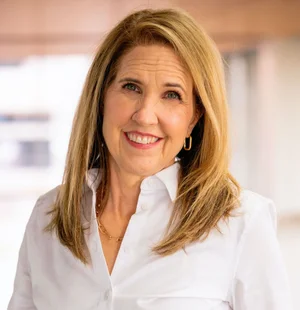
Doctor Robin Buckley earned her PhD in Clinical psychology from Hofstra University, and she specializes in cognitive behavioral methodology, which we love, and she's also an executive coach.
Her expertise has been featured in Entrepreneur, Chief Authority Magazine, Nike, and even on the 2023 Ted stage.
1:58
As an international speaker, Robin helps audiences around the world apply cognitive behavioral tools to mental Wellness, leadership, and women's empowerment.
And as a coach, she takes those same high performance strategies and translates them into real, actionable plans for both professional and personal success.
2:19
And what we're most interested in is how she applies those to marriage.
She has a book called Marriage, Inc that reframes love as a partnership worth managing with as much intention as any thriving company.
And we agree with that 100%.
2:36
Today we're diving into what that looks like, why treating your marriage like a business might just be the smartest move you'll ever make.
So with that, Robin, welcome to Marriage IQ.
We're so excited to have you here today.
2:51
Learning from Divorce to Coach Sustainable Relationships
Thank you both so much.
2:52
Speaker 3
Robin, we're just really interested about who you are.
We have 4 cornerstones on this program, one of them being identity.
It's really the first one, the the major one kind.
3:02
Speaker 1
Of.
3:03
Speaker 3
Knowing who we are, right, If we know who we are, at least have a sort of an idea of who we are and we can accomplish a lot of things.
So what is your thing?
Who are you?
3:13
Speaker 2
I really like this question, Scott, and I like it because lately I have been addressing it in a very simple way.
So if I could whittle it down to one thing is I'm a kind person is that was only the only thing that someone could say about me or put on my tombstone.
3:28
It would be that one word that everything I do, I try very hard for everything I did to come from that place of kindness, whether it's with strangers, clients, my family and friends.
That's what really is my cornerstone.
And when I went through my clinical psychology education, when I became certified as an executive coach, when I look back, I do believe that was an inherent motivator that I wanted to help people because I want them to have good lives.
4:00
And that desire to be kind to others is giving them the tools to do that, allowing them to have what it takes so that they can manage on their own.
Because as you both know, I certainly don't want to be part of their lives for years and years.
I want them to go out and do it and that to me is one of the kindest things I can do for the people in my life, including my clients.
4:19
Speaker 1
That's what I love about coaching.
We're not spending a ton of time.
We are giving tools and enabling and empowering people to move forward with the tools that they have.
4:30
Speaker 3
So you want to fill the universe with kindness?
4:33
Speaker 2
I would love that.
It seems we need a lot of that right now, but so yeah, that would be lovely.
4:39
Speaker 1
Tell us about your identity.
Besides being kind, how did you get into clinical psychology in the 1st place?
Is there something in your life that inspired that?
And specifically talking about marriage.
4:51
Speaker 2
Yeah, the clinical psych piece, actually, I'd love to say it was such a clear direction, such a plan, the way I talk about everything right now, but it wasn't.
I took an intro to psych class when I was a journalism major in college, and I honestly fell in love with the topic.
I could not get enough of it and so it was an easy decision to just continue on.
5:13
As for my PHDII also wish I had a better answer for you on that one.
I don't like being told no and so I knew that if to get the highest degree that at least that would open a lot of doors and keep them open.
And yes, I certainly am not going to be a neurosurgeon that I would get a no for.
5:30
But other than that, it was the top level in my field to be able to at least have that as a jumping point.
Do I think education is enough to really do good work or be an expert?
Hell no.
But I do think it helps to at least have that as the place that you start and then you gain knowledge from experience and continued research and continue work and your own improvement.
5:52
So yeah, a lot of people ask, well, did you go through a trauma in your life?
And thankfully, no.
I had a really wonderful upbringing.
As for how I work with couples, that's more personal.
I've been divorced twice and people find it ironic.
I find it ironic.
6:08
I'm like, cool, I help people in their, you know, create sustainable relationships.
But I look at it as some of the best pillars of of business and athletics.
You know, there are coaches out there that they failed.
There are business people out there that they had big fails, but they learned from it and then they were able to grow and help others learn from their own mistakes.
6:28
And I really see that as part of my role with couples is helping them avoid the mistakes I had.
And the biggest one was having absolutely no plan when I went into either of my first two marriages.
6:39
Speaker 1
Likewise, my first marriage failed and I was never expecting to take that failure and turn it into teaching others about marriage.
But you're right, that in some ways is the best teacher.
And failure is rough, it's painful, it hurts so much.
6:58
But it also gives us a different perspective that we can say, hey, I know about this.
7:04
Speaker 2
Yeah, and it helps me, I find connect with clients because a lot of times I've had clients come and say, maybe it's just me.
Maybe I'm just not the marrying type.
Maybe, you know, there's some essential flaw in me that I'm, I don't deserve to be in a relationship.
And I can say, Oh no, I get it.
7:21
I had all those thoughts and let me help you create a different perspective on marriage so that you actually see it.
It can work with intention.
7:30
Applying Business Strategies to Your Love Life
So let's dive in with some of the things that you teach in your book and from also your clinical experience.
What made you think that perhaps couples needed a boardroom blueprint for marriage for love?
7:45
Speaker 2
As both of you have probably experienced, sometimes our clients are our best teachers.
And I was working as an executive coach with these high-powered, predominantly women who could manage their teams and their employees and their businesses so effectively.
8:02
They had plans, they had goals, they had KPI's, they had conflict management skills.
They were amazing.
And then they'd come in and be working with me from an executive role and they'd start talking about their relationships and how they were falling apart, their marriages weren't working, they didn't understand what they were doing wrong.
8:20
And I'm sitting there listening to them saying, wait a minute, you just told me how you manage this huge conflict among your team so brilliantly.
And so I started pushing back on my clients saying, well, what did you do with the team that you could do with your significant other?
8:35
And Oh no, no, that's different.
That's a marriage that's different than business.
And I'm like, why is it different?
Explain to me.
And when they would try and explain it, it was falling back on everything society and has taught us through ROM coms and Disney and Hallmark.
Like marriage should just be, you know, just happen and love just you have to have faith and trust.
8:56
And Oh my gosh, I could feel myself almost gagging on it because I'm like, really?
Because none of my clients would go into their businesses with faith and trust and hope they have plans.
So I started reframing how they looked at their marriages or committed relationships from that angle.
9:14
Like, but what if we had plans?
What if we had goals?
What if we implemented KP is and mission statements and all the things, the basic principles of business and put them into our relationships.
Most of the time I get that's not going to work.
That's BS, Robin.
9:29
There's no way that can worry.
It's so different.
And so I usually have to say to clients, just give it a try because is it working now?
No.
So why don't we try it?
Just give it a month.
Yeah.
And that's where I usually rope my end.
9:42
Speaker 3
Oh, this is not interesting because going back to you, you said why would you be in the space, right?
You've been married and divorced twice and it's things that you learned, right?
Things that you learn along the way.
The school of Hard Knocks, right?
And I think going back to these people, it's almost paradoxical as well, right?
10:02
Because it's like, why would they have a problem?
Because they're doing all this in the boardroom.
Why can't they do it?
It tracks.
It makes sense the same way as why would somebody in your position be doing this?
I think one of the things that I've thought of in the past anyways, that when I come home from work, I assume a different persona.
10:23
All right, I'm a physician by trade and I spent all day coming up with the complex plan, a mission statement, if you will, with each of my patients about what to do and how to do it.
And then I come home and one of my kids said, hey, I got this earache or, you know, I got a fever.
10:47
And I said, you know, I like to joke with me now.
Like I just say, hey, just rub some dirt on it and walk it off, right?
Like, which basically that's what I would do.
And it is hard.
11:04
It's hard because I think part of it is where we are stepping out of a different role.
And when you're spending all your time creating, that takes a lot of neurons, right?
And when I come home, I don't want to create, I don't want to work.
I want to.
I just want to assume everything is going to be just like the ending of Cinderella.
11:24
Speaker 1
Happily ever after.
11:25
Speaker 3
Like it's just going to happen, right?
And So what you're saying here and what we agree with is what we've been preaching on this from the very beginning, that a corporate, for lack of a better word, basically is we are being very intentional about who we are and what we do in our marriage.
11:46
Speaker 2
That's exactly it.
When you know, you're saying coming home from work and you just want things to be easy, you just want to be able to come home and, and just know what the evenings going to look like.
And that as I'm sure the two of you have found in your work and in your relationship, that is what having this type of structure does.
12:04
Maybe at the beginning, it feels awkward or rigid because we're not used to looking at relationships that way.
But when you can walk through the door, whether it's it's you're from an external workplace or whatever it might be our internal, you know, working at home and you just know what your chores are for that night, what your spouse or significant other is going to be taken care of, what the basic cadence of the evening is going to because it, it's based on what you've established.
12:31
You know that we don't have to get into talking about the kids schedule every single night because on Saturday we're going to sit down and we're going to look at the week schedule and that's going to be our designated time.
We don't have to bring up every irritation when it pops in our head because we do have that time scheduled weekly or monthly to sit down and discuss it.
12:51
Because if you, I mean, I can't even fathom when I used to work outside of the home, walking into my boss's office, every single time there was an issue that it would have been intolerable and it would have been a drain to me, to my boss, to the team.
So we wait until we have our team meetings and then we bring up issues or we request a meeting and say, hey, I've got a couple things that it really can't wait, but we don't to have that same level of.
13:16
And I'd even push it as far as saying respect for our relationships, the sanctity of like don't, it doesn't need to be a conversation about serious topics every time we are together.
And and if it is, it's no wonder we're exhausted.
And many people are exhausted in their relationships.
13:33
Speaker 1
Very draining, Yeah.
13:36
Eliminating Resentment Through Division of Labor
So tell us a little bit about this boardroom blueprint.
What are elements of your Blueprint for Love?
13:43
Speaker 2
I'll take a few.
So the book came about because it's based on this framework I've been using.
And finally, I just wanted to compile it.
And actually, again, my clients were like, we would just like a place where we could just read everything or have you in our ear.
So I was like, OK, now I'm hearing you.
13:58
And that's what motivated me.
But to start, it starts with one of two places.
I will be honest that depending on where the couple is in their relationship, there are some couples that can come in and we can jump right into writing up a mission and vision statement that they're in a good place, but they just want it to be better or they want to reconnect and get out of a rut and that's a really good place for them.
14:20
But there are other couples that are really a little bit past that.
They are frustrated.
They're not at the point of divorce.
Because I really try and clarify that if one or both of you is really thinking this is our last ditch effort, maybe therapy is a good place to start and then come back to coaching.
14:35
But they need something fast and mission statements aren't always fast because there's more theory and philosophy to it and takes a little bit to craft it.
But for those couples, it's assigned chores.
You want to talk about pushback when you were saying, you know, that kind of debate of whether this works.
14:51
This is where they're like Robin.
It is not that simple.
And like it is actually, it actually can be when you just look at all the tasks, everything that makes your day-to-day functional assigned chores.
And this isn't certainly not I'm telling my husband what to do.
15:09
Oh my gosh, that is not that's not a good broach, but it's saying, OK, what are your preferences?
What are the things that you don't mind doing or that you actually like doing?
In our house, when we blended our families, I always managed finances and all my other relationships.
It was a necessity.
15:24
I was organized and I would do it.
I don't like it.
And when he finally said, do you want to manage the finances?
I'm like, why can't he's like, I didn't ask if you can, I know you can do y'all want to?
And I said, no, I don't.
So when we assign chores based on preferences or who's better at it or OK, neither of us like it.
15:45
So we're just going to trade off months again, it just establishes it's more than just now.
Everybody knows what they're doing.
It's also communication.
And it's a connection because I've learned more about you.
I heard you.
I understand that's something that actually exhausting to you.
16:01
So yeah, I'm totally willing to do it, even if it's not my most fun thing because I don't want you to feel that way.
I want you to have leftover energy for us.
So assigning chores or the mission and vision statement, depending on where the couple is, those are really the two starting points.
And then certainly, you know, if we do the mission and vision statement, then we do go to assign chores, but it works.
16:20
The assigned chores works faster than I think I ever believed it.
16:23
Speaker 1
What I hear you saying with the assigned chores is basically automating things to take out opportunities for conflict.
16:30
Speaker 2
Oh my gosh, I love how you phrase that ID yes, that's exactly it.
There's no assumptions.
I thought you were going to handle that or why didn't you handle that?
It's I just know.
And it enhances that trust of saying, OK, the garbage isn't out.
I probably would have jumped on that, but I know it's going to be taken care of because my significant other said that they would do it.
16:51
And it's building that trust and that confidence in the relationship that everything will be taken care of because we know who's kind of has that oversight.
17:00
Speaker 1
Well, and there's a lot of research right now showing that one of the biggest problems with marriages today, especially where both partners are working, is this division of household labor.
And there's a lot of pushback in social media and other areas about women working and then having to come home and take care of everything at home and just being burned out.
17:23
A good place to start.
17:24
Speaker 2
Yeah, and Oh my gosh, talk about pushback on my social media.
It seems to be in a daily lovely conversations, predominantly with men.
Some men, I mean some types of men, I should say, that just are really having a hard time with it.
17:40
And it's surprising to me.
I'm still trying to work it.
I mean, this is pretty new that I've been pushing this theme out onto social media, but they're really confused because they're associating it with, oh, I have to do the chores to get intimacy and I'm like, oh, no, no, no, no.
This is not quid pro quo.
17:57
This is getting things done so there's more cognitive space, there's more physical time so the two of you can be there in such a present way because everything else is taken care of or, you know, it will be taken care of.
Maybe it's not taken care of ahead of time, but the pushback has been pretty intense where it's, and that is never the intention, is not about power, It's not about control and it's certainly not about trading it off.
18:21
Speaker 3
I think that might be hard for a lot of people, men and women, though, who are used to living their life in a transactional state, right?
But it may be no fault of their own.
Maybe they grow, you know, were raised that way.
18:37
They had parents who were transactional.
And it does make it difficult for people who live their entire lives in a transactional state.
Like I only do this if you do this or vice versa.
18:53
Speaker 1
Or if I do this, you owe me this.
18:55
Speaker 3
Yeah, it's definitely not a thriving, scintillating way to live.
And I think it's going to be hard for people, really hard for people who don't know what it looks like, to just do something because you enjoy doing it or to do something because you know your spouse enjoys it.
19:14
Speaker 1
Because of love.
19:15
Speaker 3
Just out of pure, unfettered love, yeah.
19:18
Speaker 2
I think it for me, sometimes I'll ask couples to reframe it in terms of by you doing that, but you assigning it to yourself and your partner saying, Yep, that sounds good.
What does it do for the relationship?
Not necessarily even what does it do for your partner?
Because I think that's becomes more transactional and how does it enhance, how does it contribute to the relationship?
19:40
That seems to soften it a little bit for some of the people that are, are seeing it more of that, well, if I do this, then he or she has to do that because it's all about committing to how are we going to put the relationship before all else before us as individuals and really trying make sure it is as strong as possible.
20:01
And it provides the things we both want in terms of connection and, and trust and all of the the really wonderful stuff that we associate with relationships.
And that often will help pull it away from the well you know I get something from doing this or vice versa.
20:18
Speaker 1
So how do you navigate with these couples then, when they've tried their hand at this and they're finding the way we did this isn't working, we're still arguing over things.
20:31
Daily, Weekly, Monthly, and Quarterly Meetings for Couples
How do you help them be flexible and keep coming back until they have it?
20:35
Speaker 2
Well, then it comes down, then it comes to the next step which is the check insurance.
And I think one or both of you referenced this when we were offline, but this idea that having scheduled times when you sit down and you actually have them, I call them the business meetings of your relationship.
20:55
So I usually recommend that there's four check insurance daily for five, at least 5 minutes, weekly for about 20 minutes, monthly for about 60 minutes.
And then quarterly and quarterly, I say, yeah, ideally he can go away for a weekend like a quarterly retreat like businesses do.
21:12
But some of this does an 8 hour a day where you hire a babysitter for, you know, the majority of the day.
Each of those has different purposes.
And I call the five minute daily, meaning the no other zone.
So I was really candid with my children.
And I'd say unless someone is bleeding or dismembered or the house is burning down, you do not knock on that door for the 5 minutes that we have the door shut.
21:33
And it's the time for a couple to not talk about the kids, not talk about dinner.
Just tell me something that really made you smile today.
Tell me something that was hard that I could help you with, something that goes beyond how was your day fine How was your day fine.
21:49
That's not really utilizing the time effectively.
It's just asking a question, you know, Tell me you don't remember that story you told me about when you were growing up and the dog chased you up the tree.
Took it again because it always makes me laugh.
Just one thing that you come into with again, that intentionality of just being with your partner in a very mindful way.
22:09
The 20 minutes a week, those are the logistics.
What is the next week look like?
You know, how are we going to manage the schedules?
Do we have anything coming up that I should be aware of?
Where are we with that project that was supposed to be the plumber coming in this week?
That's your opportunity to get all of that out of the way.
22:25
And I do also recommend if there's ideally there's time to take a look at what were some things we really nailed this week?
How did we really support the relationship?
What are some things we we could have done better?
And then also looking at opportunities in the upcoming week for connection and any threats.
22:41
I get a lot of threats recently from couples because of the upcoming holidays.
They're like, Yep, Yep, family's going to be here, that's going to be a threat.
How are we going to navigate that?
So they do a SWOT analysis just like we do in business to quickly ascertain what this week is going to look like and how can we be strong.
22:57
And then in the monthly meeting, that is the overview of their life.
So big things.
So things are all the way from finances all the way to their their sex life.
If that's part of their relationship that they both want as part of their relationship, where are we?
How are we where we want to be with our physical intimacy as well as our four other intimacies.
23:18
So it's covering everything from structural things all the way to emotional things and allowing for that time.
And has anything come up that we want to address?
And then the quarterly retreat is the opportunity for planning and for goal setting and for establishing where are we going next?
23:37
Those are just important pieces in how businesses run, and they bring the same benefits to a relationship.
23:45
Speaker 3
How did you come up with this idea?
You said the daily ritual, the weekly, the monthly, the quarterly.
23:51
Speaker 1
Just patterning it after business.
23:52
Speaker 3
Yeah, you just after like totally after business or yeah.
23:56
Speaker 2
It was the only one that I would say wasn't aligned with business as much was the daily check insurance.
I mean, I don't know about the two of you.
I don't check in with my I never used to check in with my boss every single day.
And when I had a staff, I didn't check on with them every single day.
But that allowed for just that reconnect like we're we're we're yes, outside of outside of our home, We're working inside the home.
24:20
We might be parents or navigating other things, but giving that opportunity to re establish the foundation.
I mean, as you both know, a couple is the foundation for the family, whatever that family looks like, whether family has four legged children or actual children or elderly relatives, we're taking care of whatever it might be.
24:41
So if the couple doesn't have that strong foundation, nothing else will.
And when a couple say we don't have time for 5 minutes, that is worrisome to me that you can't find 5 minutes.
I know you can and I usually do challenge them that way.
24:56
I said you can because it's 5 minutes less of social media, 5 minutes less of talking to someone else on the phone, just 5 minutes with your partner.
Lock yourself in the bathroom for 5 minutes.
25:06
Speaker 1
Investment in your most important relationship.
25:08
Speaker 2
Absolutely.
25:09
Speaker 1
I think we have just about everything that you just mentioned and what we do.
25:14
Speaker 3
That looks a little bit different, but I mean.
25:16
Speaker 1
I think you were talking about the five minute check in as just feeling that 5 minutes with positivity, with concern with.
25:25
Speaker 3
Connection.
25:26
Speaker 1
With whatever it is that helps you connect emotionally.
Is that correct?
25:30
Speaker 2
Yeah, absolutely.
You know, it's almost like we do it so well when we're dating.
I think most people do it well.
We're really come into a date.
Like, I want to learn about you.
I want to listen.
I mean, ideally, I want to, like, really understand you.
And for many couples, they forget to do this after they've made a commitment and then get distracted by the busyness of life to really like, no, let's just stop.
25:54
Don't, don't, don't ask me how my day was as you're walking past me in the kitchen.
Let me just stop and really listen to you.
And then you get to do the same for me.
And that's powerful.
I know how busy life is.
I mean, we blended our family are 4 kids and two dogs and and we both work.
26:10
There's so many things that can get in the way.
And if you don't say no, this is actually well worth 5 minutes or more.
I mean, yeah, great if you can do more, but just 5 minutes, that's not even something that you can't afford.
It's important to do.
26:25
Speaker 3
Well, I will say we did have a problem with doing this.
We didn't know how it would look.
We've talked to different people and I think at one point we decided that our time together would be nightly walks and so we put it as a goal.
26:46
Speaker 1
Right, that we check off every day.
26:47
Speaker 3
That we check off OK, did we do our nightly walk?
And so a lot of times we didn't in the beginning and we didn't, we didn't, we didn't, we didn't, we didn't.
And then we kept talking about it because we come back to our weekly meeting, our, we call it couples council.
27:07
We do it every Sunday and we keep talking about it and say, look, are we going to do this thing or not?
Like we keep talking about it.
We don't do it and we're, so we bumped it up in priority and now we do a walk every night.
27:24
Well, probably 94% of the time and we get that time to talk and just connect.
I'm just saying it took a lot of time.
It didn't just happen naturally, but we had to be intentional over months of saying, OK, are we doing this thing or not?
27:43
Like what?
What's up?
Like so?
27:45
Speaker 1
We've made the plan.
27:47
Speaker 2
It's easy to fall back on our behavioral habits.
It's so easy to be like, yeah, we'll get to it tomorrow.
Like we're tired tonight or we're, we got these things going to I get it.
I, I don't judge my clients because it's easy.
The distractions as well as just, you know, we're, we're comfortable.
28:05
So why is this?
I mean, I get that a lot from couples.
Like we're, we're OK, Like we don't have any, but we don't fight a lot.
I'm like, cool.
And is that first of all, is that your baseline like OK is good enough?
And 2nd, how do you make sure that you're always OK if that is your baseline, you know, not having that plan.
28:22
So you 2, obviously push through because you knew that connection every night or 95% of the time was important to ensure not just happiness now, but the sustainable happiness.
And that's what I think a lot of couples don't always see that.
28:38
How are you going to make sure what you're feeling, if it's good right now, is going to be good in a year?
Five years, 10 years, 20 years, That's part of that plan.
28:49
Speaker 1
Exactly, and not only good, but that you have a foundation that's stable enough to handle when traumatic experiences do happen.
Correct that you already have that relationship foundation.
29:03
Speaker 2
Yeah, I know when 2 years ago, I lost my mom very suddenly and to be able to sit with my husband, I it's a lot of it the bore.
But if for him and I was selling my business simultaneously and he ended up running the wholesale of the business and I trusted him.
29:21
I mean, not only did he have oversight of our finances anyway, but I knew that if he took over that checklist, it'd get done.
And I couldn't, I, I was not in the mental space to be able to handle all the intricacies that that took.
But had we not already had that established, that would have been very chaotic.
29:41
So it is.
It's like it's having it in place so that when things happen as they will, you just know what the SOP is going to be.
29:51
Speaker 1
Exactly you mentioned KP is.
29:53
How to Track and Improve Your Relationship's Progress
Can you tell us what that is and where that fits within your framework?
29:57
Speaker 2
Yeah, so goals are terrific.
I love when couples are like, no, we have goals.
I'm like, and are they written down?
And do you review them and love that?
But then it's how do you measure them?
How do you actually know progress?
Because I'm sure the two of you have heard plenty of times.
Well, it just feels like we're doing better.
I'm like, oh, cool, now we're back to Disney.
30:14
That feels good.
But how do you actually know?
And usually with some couples, I'll say you'll go like, no, it's working Robin, we feel good.
I'm like, cool, Is that how you evaluate your business goals and your business success?
And of course they don't.
And they're like, no, I'm like, right, So why are we doing that again?
30:29
But the KP is, are all about the key performance indicators.
What are you actually measuring to know your goals are being achieved?
And you 2 just did it seamlessly.
About your walks, I think you had said about 94% of the time we hit our walks, that's a KPI.
30:44
You know where you are, You are well above average.
And maybe it's OK we're doing a 94.
Maybe next month we want to hit 95.
And you actually measure it out, You know, Yeah, we're fighting instead of fighting every single day.
We're really only having conflict five days a week and that's progress.
31:03
It doesn't have to be perfection.
We're not ever going for perfection.
Can you see the needle moving in the direction you want it to move?
So KP is become a very clear way of knowing that things are are happening in a successful way.
31:19
Otherwise, it is, I think we're doing well.
It seems better.
And that is so vague.
I'm like, how do you have any comfort with that?
So when we have the KPIs, they know from data that things are improving.
31:33
Speaker 3
So this brings up a point, I spent a lot of time couple of years ago looking for the perfect app to do my goals with and I finally found one that works for me.
For us, it's called Strides and cause what it does is that as long as you keep up with it, you can measure how well you're doing it.
31:53
That gives you percentages compared to last, you know, last year, this year.
And so that's how I know that our nightly walks have gone up significantly and that we're doing far better on them this year than we were last year.
32:11
Speaker 1
We review those stats at our quarterly marriage retreat.
32:15
Speaker 2
There you go.
32:16
Speaker 3
So we're doing the KP is.
32:18
Speaker 1
Right.
I'd be interested to know what some of the most important KP is are that you've seen.
32:24
Speaker 2
The general themes are no surprise.
It's around conflict management, communication, connection.
Parenting comes up a lot.
So especially in blended families, in terms of how many times have I stepped in, how many times have you stepped in, depending on what their metrics or what that looks like?
32:43
Finances, certainly and spending and budgeting, but it's amazing when people start because especially around the more interpersonal behavior.
So like, you can't measure connection.
I'm like, Oh yeah, you can.
You absolutely can.
32:58
Or the discomfort some people have around KPIs, around their physical intimacy.
And I'm like, but if you want that to improve, it's OK to put numbers to it.
And Oh my God, that is a high level of resistance because they think I'm taking away all fun, all the spontaneity like, but again, if it's not happening the way you want or as often as you want, why wouldn't you try something different to actually see?
33:21
This isn't about making it rigid.
It's about making sure you just know where you want to be and doing things to motivate you to get in that direction.
And it works, as you noted with your walks, it does work.
It's just letting your brain know.
It's to improve the relationship.
33:37
It is not to make it.
33:38
Speaker 1
Robotic and you know, Doctor John Gottman talks about that with sexual intimacy, that if you have scheduled sex, research shows benefits to that.
And what we know from research also is that it especially helps women show up because they know when it's coming.
33:57
They have time to be thinking about it throughout the day.
They have scheduled a little bit of extra time to pamper to do see do just to make that role transition in their head from either mom or executive or employee or whatever it is to make that shift in their head and then show up.
34:20
Speaker 2
A sexual partner.
34:21
Speaker 1
Yeah.
As a sexual being a person that is interested and ready and willing to step in and even I would say in our experience sometimes when we haven't had that time to prepare ahead of time because we know that it's there when we slow down enough, it just it's amazing.
34:47
Speaker 2
Yeah, agreed.
I hear from some of my one husband that I worked with within a couple, he would say that when he knew when you'd look at the calendar and they had a code for it, calendar.
And he said, when I see that I make very deliberate choices about what I eat during the day because I don't want to be blush and I don't want to be gassy or whatever it is.
35:10
And I loved that as an example because it was such a tangible way of looking at it.
He's like, yeah, you know, other days I'll go out and have a burger for lunch.
He's like, but none on those days because I want to feel physically ready and prepared and I don't want anything to get in the way and that it's such a minor thing.
35:29
That's just part of that.
Again, that intentionality towards that.
I also have great stories about couples who use that and know it's coming and so that there's different ways of how they orchestrate that day before the evening or whenever they've planned to be together.
35:45
I love it feel.
35:45
Speaker 1
Free to share one.
If you have one that stands out to you, we would love to hear.
35:49
Speaker 2
One of my favorite ones, young couple, actually no kids.
They just, they loved cooking together.
And she said we just don't have, we're so tired by the end because we both work and then we love cooking together.
We plan these elaborate meals and then we clean up and then we're exhausted.
So we have nothing leftover.
36:05
And I was like, oh, OK, so I asked her.
I said, do you have a crock pot?
I mean, I know it's not as elaborate of the meals I said, but at least if you know the meal is ready to go, there's less clean up and then you have more time.
So she thought that was brilliant.
She took the initiative to employ that.
36:22
She's like, yeah, we have two from our wedding.
We've never used them.
I'm like, Yep, that's my most couples.
36:27
Speaker 3
There you go.
36:28
Speaker 2
He came back after she'd been doing this with well they came back but she came back into the session laughing like that's how the she had been.
I hadn't seen them for about 3 weeks and when I turned on my video she is hysterical laughing and I'm like OK, what's going on?
I'll call her Jen.
36:44
And Jen said she's like, well, we tried the crock pot.
It worked so well.
She's like, so now on the calendar, I put it as crock pot night and.
36:53
Speaker 3
Kylie.
36:54
Speaker 2
Burst out laughing.
I was like, Oh my God, she's like, and it's free because if anybody sees it they think it's a typo.
But we know what it means and her husband is watching.
But it was just so.
And to me, that also demonstrates like it can bring a lightness and humor and fun to it.
37:12
Again, pulling away from that idea that it's so structured, it no longer has that emotional pull.
I think it brings more opportunities for that emotion and spontaneity.
37:22
Speaker 1
Thank you for sharing.
37:23
Speaker 3
That yeah, I think sex can be like both ways, both planned and unplanned, I think.
37:30
Speaker 1
Spontaneous is still there too.
37:32
Speaker 3
I think we, we all know about the unplanned 'cause that's all we ever knew right Until we started becoming more intentional.
So I, yeah, I think a Little Mix of both.
And you know, it takes both people coming together during their weekly get togethers to talk about how do you want to look?
37:51
How do we want this to look in our lives?
37:54
Speaker 2
But if all the logistics are taken care of, it opens up more opportunity for spontaneity because we're like, oh, you know, we still have that to take care of, or I don't know when we're going to have time to take care of that project.
So it actually opens up the door for more of that flexibility.
And people really have a very opposite perspective of them, like, Oh no, it allows there to be these moments where you're like, oh, we're good.
38:15
Like everything's taken care of or we know when we're going to take care of it.
So how can we use this time for whatever it might be?
38:22
Speaker 1
Automation, there we go.
Those decisions are already made.
38:27
Shared Financial Oversight and the Co-CEO Model
So businesses for sure, finances are a big part of.
And in marriage relationships, again, so many people I know don't even budget.
They don't talk about money.
One person kind of controls the money, the other person spends the money.
38:45
We get all kinds of different models of what that unintentionally looks like.
But in your model, share with us a little bit about the boardroom blueprint as far as from a financial perspective.
38:57
Speaker 2
Right.
So in addition to assigning chores, a lot of times I work with couples about delineation of roles and the roles are not about control or power, they're about just that oversight.
So again, you know in a business, the CFO does not have just discretion to do with the money as he or she will.
39:16
They just provide that oversight to then give a presentation or give an assessment of where everything is to, you know, the board in a business sense and in a relationship, it's to their partner.
I said earlier that was my husband's role.
He is the CFO and when we meet once a month, he gives me the overview of where we're at and then presents questions about investments or whatever it might be.
39:41
In our monthly meetings.
We also have a chance to look at our budget and make sure we're both aligned and both still on top of that.
So that can be the same for all areas.
But when it comes to finances, one of the biggest benefits of doing that is it reduces the emotionality.
39:58
Finances bring up so much of our how we were raised or mistakes we have made that it can get so defensive and so argumentative.
That when you're using that prefrontal cortex, that strategic part of your brain, because you're talking about it in objective ways, you're looking at data, you're looking at facts, and then it allows for the conversation to actually be effective.
40:23
So that's one of the most important areas I strongly recommend for couples that one person has the oversight and then the other person plays the role of board when they have their meetings to then discuss what are the details, What is something I need more information about if you're just throwing it out there, but I need to know more before we can move forward with making a decision.
40:44
It ends up really just helping couples approach it again with more strategy and less emotion.
40:51
Speaker 3
Because finances can be a big flashpoint, we intentionally put something like you just said in our weekly meeting, hey, if there's a big purchase here, we get, we talk up through and we don't move forward until consensus has been reached.
41:07
Speaker 2
Exactly.
And having again, a very clear metric around what is a big, what is a big purchase.
For some couples, it's anything over $50.00.
For other couples I've worked with, it's over 1000.
Whatever it is, as long as it's agreed upon, it makes sense in terms of the goals, the financial goals.
41:24
And then the most challenging part is the not breaking that It's not, oh, I just assumed you'd be OK with it.
Or this doesn't really count because then it it that just erodes at the trust and the foundation.
So it's holding to it again.
Would you want to walk in your boss's office and say, oh, I went over budget by whatever X number?
41:44
We would never put ourselves willingly in that kind of situation.
At least if not, if we don't, you know, if we like our jobs.
So same thing in our relationship.
You don't want to walk in saying I decided to ignore it.
41:56
Speaker 1
I think what you brought up is true, that when we have shared decision making opportunities in our finances, it builds trust, yes.
When we don't, it not only erodes trust, but there's a lot of resentment that's spread out of not being able to make those decisions together.
42:17
Yeah.
42:17
Speaker 2
Well, you're not functioning as a team at that point.
You're functioning as individuals and that's not really part of a foundation of any relationship that you're functioning as independent entities.
So if you want to ensure that it is creating these parameters and then sticking to the parameters, I used to actually say the only role that I don't encourage couples to have as ACEO.
42:39
That used to be my statement because CE OS tend to have like these final decision making power and I don't know many couples that that works very well.
But recently Spotify, Oracle and Comcast all initiated Co CEO plans and I'm so fascinated to follow how that's going to work.
42:56
They all, unfortunately, they're all two men and I would love to see how it would work and had different arrangement.
I think there's a lot of benefits to that, but I'm like, oh, maybe we can have Co CE OS if the power is shared in an equitable way, if they're really tapping into that idea of you have strengths I don't have.
43:14
And so this is a really good matching.
So that'll be interesting.
I'll have to figure that one out with my couples.
43:20
Speaker 1
I really love that.
I think having Co CE OS really depends on having that structure in place though, that intentional structure, that blueprint as you call it, If you don't have kind of checks and balances, it could be a little risky, but.
43:38
Speaker 2
If you.
43:39
Speaker 1
Have that foundation in place.
If you have that plan, that blueprint, you know where you're going, you have all the checks and balances, daily, weekly, monthly, quarterly Co CEO, that's kind of how we see it in our relationship for sure.
43:56
Makes a lot of sense and works really, really well to propel you ahead, far more than for us we ever did before, right?
44:04
Speaker 3
Yeah, you're the CEO of this podcast.
44:07
Speaker 1
It's OK.
44:10
Speaker 3
I'm an employee.
44:12
Speaker 1
That makes nothing.
Neither of us make anything my.
44:14
Speaker 3
Paycheck is 0.
44:16
Speaker 1
This is mine.
44:18
Speaker 2
But it's the investment relationships.
I totally get it.
44:22
Speaker 1
It's beneficial to our marriage.
44:25
Speaker 2
To.
44:25
Speaker 1
See and to learn and to interview people and learn more things about what we can do to make a little adjustments.
44:31
Using CBT and Sensual Dailies for Deeper Connection
So what do you do when couples bump into high emotions then with trying to figure things out?
I know that you are CBT specialist and use that a lot, so can you tell us a little bit about how you use cognitive behavioral therapy to help in teaching tools for navigating some of those things?
44:55
Speaker 2
CBT is just incredibly effective in my opinion because it really helps people understand how their brain is working.
So like it or not, my clients do get a little bit of a neuroscience education and and which parts of the brain we're trying to tap into and which parts of the brain we're trying to engage less with.
45:10
And specifically around the prefrontal cortex and the amygdala with amygdala being so emotional and so driving our reactive state and the prefrontal cortex bringing us back to that strategy and facts.
And so when I how couples start to see, I mean, I love some of the phrases they come up with in terms of like, I'm, I'm being amygdalic right now.
45:32
And I'm like, yes, you are.
And how can we now engage with the prefrontal cortex?
So it's not just the business side of things, but it's also getting them to understand from a cognitive side, how do you actually in an active way get the part of your brain that's going to help the relationship to be part of this conversation?
45:51
Because as you both have seen and heard and you know, maybe experience, so much of the time we are coming in full throttle amygdala.
And it is really, we don't even realize that it's hijacked conversations or scenarios.
46:06
And when couples start to recognize it, then they can step back and start to employ very concrete strategies to say, OK, wait a minute, we want our prefrontal cortex to be part of this conversation.
What are we going to do in this moment?
So they walk away.
Clients that I work with walk away with really specific strategies from that angle as well.
46:24
It's not just business principles, which I love for the relationship.
It's also how do you manage your brain so your brain doesn't undermine the business of your relationship.
And they actually settle into that really fast because that it that is problematic for most couples.
46:40
Speaker 3
Oh, I think it's fun to learn about how your brain works, right?
46:43
Speaker 2
I do too.
I tell people I'm a brain geek, so you're going to have to put up with.
46:45
Speaker 1
Me and for some reason we're able to keep that in check in business kinds of scenarios, but it's a little harder when you let down totally in your family and your marriage relationships.
46:57
Speaker 2
As we were talking about earlier, you walk through your door and you just drop all of that tight, holding things together.
And it's not that you have to continue to do that at home, especially if you understand your brain.
If you understand.
OK, wait a minute, I am.
I've had a rough day and I'm tired, so I am not tapping into the logic part.
47:17
What can I do to make sure that doesn't take over in terms of making this not an effective interaction with the person I love most?
47:25
Speaker 1
Wonderful.
Well, this has been a great conversation and I love so much the little twist that you've made in our brains on how we can do things to make them a little bit better and hopefully.
47:39
Speaker 3
Yeah, I love this.
47:40
Speaker 1
Our listeners will dive into your book and get some specifics on some of those things.
If you could give us one last boardroom strategy that we might not have asked you about, could you sum up what that would be?
47:54
Speaker 2
I'll do a real easy one.
It's central dailies, so you sit with your partner.
So this is related to sex, but not just sex.
So people confuse sensual from sexual.
Sensual is all about your senses, as you both I'm sure know.
And it's sharing with your partner one thing from each of your five senses that you just love that brings you peace, happiness or some type of arousal.
48:16
So that they now have a menu that they can choose from to use to make you feel good, whatever the feel good looks like, whether it's physical or emotional or whatever it might be.
So I know for my husband, he loves these dark chocolate brownies from one bakery near us.
48:32
So once a month I make sure I swing by that bakery.
I, I, that's my only stop is to go get him one of those 'cause I know it'll make him smile.
And it's not about getting anything in return.
It's just making him feel good.
And it's an easy way, but it's not trying to read your partner's brain, you know, we're not psychics.
48:50
So if he just tells me or I am very clear, 'cause he's he's made it aware to me what he loves, I'll keep using those as ways to make our relationship stronger and make him feel wonderful.
49:01
Speaker 1
Oh, I love that.
If people want to follow you, what do you have where they can find out more about what you do?
49:09
Speaker 2
The easy part is that the same monikers for all of them.
It's just Doctor Robin Buckley, all one word on my website, TikTok, Instagram, LinkedIn.
So yeah, I'm a lot of places so and I love engaging with people even when they want to challenge me.
That's probably the most fun.
49:25
Speaker 3
And your book is Marriage Inc, right?
49:28
Speaker 2
Marriage incorporated, Yes.
So the boardroom blueprint for our lasting love.
49:31
Speaker 1
Well, thank you so much for being here today with us, Robin.
49:34
Speaker 3
Thanks for joining us today, everyone.
We hope that you've learned, like we have, to change your marriage into a more scintillating one.
We just love seeing someone else who's kind of doing what we are with a little different perspective.
So we'll see you next time on another exciting episode of Marriage IQ.