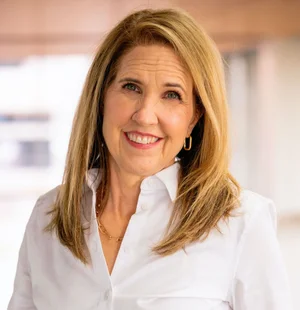
Episode 147: Divorce Attorney Reveals Why Marriages Fall Apart

Why Couples Divorce: The Hidden Patterns That Slowly Damage a Marriage
Why Marriages Fall Apart—and What Couples Can Do Before It’s Too Late
What if you leave a marriage that could have been repaired? And what if you stay for years in a marriage that will never become healthy?
Those are painful questions, and there are no simple answers. But Nicole Sodoma, a family and divorce attorney with 25 years of experience, brings a unique perspective to them. Rather than studying only healthy marriages, she has spent much of her career performing what she calls “relationship autopsies”—listening to the stories of couples after their marriages have broken down.
Her perspective is surprisingly pro-marriage. Sodoma isn't advocating divorce. Instead, she wants couples to understand what often happens before they reach the point of separation-and, whenever possible, address those problems while there is still something to repair.
The Real Problem May Not Be the Thing You Think
When a marriage ends, it is tempting to identify one event as the cause.
An affair. Financial problems. Addiction. Abuse. A communication breakdown.
Those things can be incredibly serious, but Sodoma believes there is often a deeper common denominator: how a couple handles conflict. The issue isn't simply whether couples disagree. Every couple will disagree. The question is whether they know how to repair, reconnect, and move forward after those disagreements.
A major betrayal, for example, may become the event everyone points to years later. But what happened after that? Was the hurt addressed? Was trust rebuilt? Did the couple learn how to handle the next conflict differently?
Small unresolved problems can accumulate over time until the marriage becomes defined by resentment rather than connection.
You Can't Save a Marriage Alone
One of the hardest truths in the conversation is that one person cannot save a marriage by themselves.
You can choose counseling. You can change your behavior. You can learn better communication skills. You can become more intentional about how you show up.
But you cannot force your spouse to participate.
Sodoma emphasizes that the only person you can control is yourself. If your spouse isn't willing to make the same changes, your responsibility is to decide how you will show up-not to pretend you can control their choices.
That distinction can be incredibly freeing. Instead of constantly asking, “Why won't they change?” you can begin asking, “What is mine to own?”
Repair Matters More Than Perfection
There is no such thing as a marriage without conflict.
Even couples who teach about marriage have disagreements. The goal isn't to become so good at marriage that conflict disappears. It's to become better at repairing when conflict happens.
That means understanding what hurts your spouse, what makes them feel dismissed, and what behaviors create emotional distance.
Sodoma points out that contempt can look different to different people. Mocking, eye-rolling, name-calling, or the way someone speaks during an argument may carry a completely different emotional impact than the person delivering it realizes.
Healthy repair requires curiosity: “How did that feel to you?” rather than simply, “I didn't mean it that way.”
Intent matters, but impact matters too.
Don't Wait Until Your Marriage Is in Crisis to Be Intentional
One of the strongest themes throughout the conversation is intentionality.
Couples can spend enormous amounts of time and money preparing for a wedding while spending very little time learning how to actually build a marriage. Sodoma challenges couples to think about whether they are investing the same energy into their relationship that they invest in their careers, education, parenting, or other areas of life.
Being intentional doesn't have to mean scheduling a formal relationship meeting every night.
It can mean sitting down regularly and asking:
How are we really doing?
Is there anything you're carrying that I don't know about?
What has been working well between us?
What needs attention?
How can I support you better?
Those conversations may feel uncomfortable. That's exactly why they matter.
Know Your Finances
Money is another area where couples can unintentionally create enormous vulnerability.
Sodoma shares that, during her first marriage, she wasn't responsible for the household finances. When the marriage ended, she realized she didn't know the full picture of the family's bank accounts, financial relationships, or budget. That lack of knowledge became frightening during an already difficult transition.
The lesson isn't that every spouse needs to become a financial expert.
It's that both partners should understand what is happening.
Couples don't need to have identical financial roles, but they should both have visibility into major decisions, debts, accounts, spending, and the overall financial picture. Knowing what's happening gives both spouses more freedom and more choices if life takes an unexpected turn.
Don't Lose Yourself Inside the Marriage
Perhaps one of the most relatable ideas from the conversation is Sodoma's “pepperoni mushroom moment.”
While dating her current husband, he asked what kind of pizza she wanted. Her instinct was to say she was fine with whatever he wanted. Instead, he encouraged her to actually say what she liked: pepperoni and mushroom.
It sounds small, but the lesson was significant.
Sodoma realized she had become accustomed to accommodating everyone else. Learning what she wanted, what mattered to her, and who she was became part of building a healthier relationship.
A healthy marriage shouldn't require you to disappear.
Sodoma describes the goal as feeling both “held and free.” You can belong deeply to your marriage while still having an identity of your own.
Sometimes Divorce Is the Healthier Choice
Being pro-marriage doesn't mean believing every marriage should be preserved at all costs.
There are relationships involving abuse, threats, severe dysfunction, or other circumstances where leaving may be necessary for safety and wellbeing. The conversation acknowledges that divorce can sometimes help people become healthier and more fully alive.
But before making such a life-changing decision, Sodoma encourages people who are uncertain to become educated about what separation and divorce would actually look like. Sometimes understanding the practical, emotional, financial, and parenting realities brings clarity.
The Space Between What Happens and What We Do
The conversation ends with a powerful idea inspired by Viktor Frankl: between what happens to us and how we respond, there is a space where we get to choose.
That principle can transform a marriage.
You may not control your spouse's reaction. You may not control the conflict that appears. You may not be able to undo something that already happened.
But you can choose what you do next.
You can pause before responding. You can choose curiosity over defensiveness. You can choose repair over punishment. You can choose to have the difficult conversation you've been avoiding.
Marriage doesn't become stronger because two imperfect people stop having problems. It becomes stronger when two people become more intentional about how they handle those problems.
And sometimes, that intentionality can make the difference between a marriage that slowly falls apart and one that finds its way back to connection.

-
0:00
A Divorce Attorney's Pro-Marriage Perspective
Welcome to Marriage IQ, the podcast helping you become an intelligent spouse.
0:06
Speaker 2
I'm Heidi Hastings.
0:07
Speaker 1
And I'm Scott Hastings.
I have a question.
What if you leave a marriage that could have been repaired?
What if you stay for years in a marriage that will never become healthy?
Some deep questions.
0:21
Speaker 2
Questions I've asked myself, not in this marriage, but in my first marriage, yeah.
0:24
Speaker 1
So today you're going to learn how to better know the answer to those questions.
And we're going to discover a new perspective on how to prevent smaller problems from becoming bigger ones through the perspective of family and divorce law.
And we have today Nicole Sedoma, who's an expert to walk us through these painful questions and more.
0:45
And a lot of ways, they're excruciating questions, right, right.
Nicole is a family in law divorce attorney who's written a book.
Please Don't Say you're Sorry.
An empowering perspective on marriage, separation and divorce from a marriage loving divorce attorney.
1:01
Welcome to marriage IQ, Nicole.
1:04
Speaker 3
Thank you guys.
It's fun being here because I too am pro marriage.
I am not pro divorce despite being a divorce attorney for 26 years.
But you know, my perspective is that of a divorce attorney.
I essentially don't spend my day studying healthy marriages, I spend my days performing a relationship, autopsies and listening to why marriages don't work.
1:29
And it wasn't until my own marriage failed that I had a brand new perspective to share with clients and my family and myself.
1:40
Speaker 2
Well, it makes us a little bit nervous to think about having a divorce attorney on here because we're so pro marriage.
But that's one thing I loved about what you do is you are really pro marriage and that's really important to us.
But in my first marriage, when I went to talk to a divorce attorney and I sat there and I cried the entire time that I was speaking with him, he finally looked at me and he said, I don't think you're ready for a divorce.
2:08
Have you ever done anything like that?
2:10
Speaker 3
I have done so many versions of that and I've sat across the table from so many humans who have experienced all of the same things.
And I too have sent people home and said you are not ready or given them the list of several therapists who I thought could help them.
2:26
Speaker 2
That really does beg the question then, if you're trying and trying in your marriage, how do you know if this marriage has potential to turn around or if this is the end of a road and you're just sitting there not moving anywhere, or even that it's damaging?
2:45
Speaker 3
I wish we had a Magic 8 ball, but we don't.
2:47
Speaker 2
I will say I really appreciated that the attorney gave me that advice even though the marriage still ended in divorce, because I think if I would have split up at that point, I would have always wondered if I could have done more.
But the way that it went, I stayed in the marriage several more years, and when it finally ended, I knew that I'd given it everything I could.
3:11
So can one person save a marriage if the other person isn't really invested?
3:18
Why Unresolved Conflict Leads to Divorce
I think the short answer is no, that one person cannot save a marriage.
It takes 2 to say I do and one to say I don't.
And the only thing you have control over are the decisions that you make.
So if you want to go to marriage counseling and the other person isn't invested in it, then the only thing that you are going to be able to control is how you show up in marriage counseling and what changes you make to your behaviors.
3:46
You can't expect that the other person is going to be interested in or make those same changes.
3:52
Speaker 1
So from your perspective, like you said, you've seen all these host divorce autopsies.
What's some key takeaways from that from your 2425 years of experience?
Like are there some common underlying themes to most of these divorces?
4:11
Are there, you know, some kind of high level, high yield perspectives there?
4:17
Speaker 3
You know, it's so easy to pinpoint this is the reason our marriage isn't working.
He or she committed adultery, or our financial disputes were too heavy, or someone has addiction or abuse.
There could always be.
4:34
It's so easy to pinpoint one thing.
But for me, the reality in the common denominator is conflict and how you handle it.
And again, like, I'm not a therapist, but I have, I sit across the table from hundreds and hundreds of humans.
4:49
I have a law firm.
There are 50 lawyers here.
You know, most of us do family law.
How you handle conflict, how you learn how to repair and reconnect is so important and the research is out there.
So then comes the question, what are you going to do to repair and reconnect?
5:06
And without both parties being engaged and interested in that process, you will find yourself in an office very similar to mine.
That's.
5:14
Speaker 1
Great.
5:15
Speaker 2
So what are the conflicts about?
Or does that not even really matter?
Is it more just that they're not repairing after the small conflicts?
5:24
Speaker 3
I think it's a culmination of everything, right?
Because if you look at the statistics, it's adultery is number 2 financial, Oh myth black of communication.
Forbes put out a study.
They do it I think every couple of years, maybe every year.
5:40
That lack of communication or lack of interest in repair.
But the reality is like all of that is based on things that happened before that moment.
So it may be it's not unusual.
And I think that's a double negative.
So forgive me for someone to say I'm like, well, let's talk about the things that went wrong in your marriage.
5:59
And someone across the table from me or beside me will say, well, they committed adultery 14 years ago and you're still thinking about that adultery.
It's clear that was part of how we got here.
Really.
Is it?
But of course, if you ask them why they're getting divorced, that's their answer.
6:17
And So what happened between that event and the next time you had conflict to this next time was someone didn't show up the way they needed to show up.
So asking those questions, figuring out what your conflict resolution is, what works, because the other thing is what works for me might not work for my partner.
6:35
And I can give you some really simple examples because I'm not a master of this.
I'm the first to say I am not a master of conflict resolution.
I have to work on it as well and who knows, maybe I would have still been married to my.
6:49
Speaker 2
Person said this.
We talk about it all the time and we're not masters.
6:53
Speaker 1
I think it's important to stop here, Nicole, and just for all of us to recognize that even as experts, we still have our conflict.
And you know, and people say, oh, Oh my gosh, you have your.
Well, of course, because we're being honest.
7:10
Like if you look at anyone who's an expert in anything, they're going to be times where they don't know what they're doing.
It's just reality.
It's human nature.
And I think it's really, really, really important for people to know that.
We do try to explain that many times here on this on this podcast.
7:25
But I like how you you kind of had that vulnerability with that just being.
You're like, hey, look, sometimes, yeah, I'm not really good at this.
7:32
Speaker 2
We are really good at repair though.
7:35
Speaker 1
We're learning, we're getting better at it and it's faster.
That's The thing is that conflict is going to happen because we're two different people and it's how fast can we repair.
I know this last time we repaired pretty fast, like blazingly fast.
7:54
And I thought, wow, that was.
7:56
Speaker 3
Cool.
Do you have that with your ex?
I mean the next level of conflict, and I know the research is, speaks to contempt.
8:04
Speaker 2
Yes, Gottman.
8:06
Speaker 3
And so avoiding contempt.
And when I think of contempt, I think also everybody has a different way of describing contempt.
Is it to me it's contempt and domestic violence?
Sorry to that in.
But I do think it's important because generationally domestic violence is looked at differently depending on how you were raised and what the law was then and what it is now.
8:27
So, you know, understanding how I receive contempt might be different than how you receive it.
Is it just mocking?
Is it rolling your eyes or is it the way you talk to someone?
Maybe the trigger is name calling.
In my first marriage I had like when I was trying to repair my marriage I said OK here are my 5 non negotiables and one of them was name calling.
8:50
I'm not OK with name calling.
I also hate being hung up on by the way.
It's so hurtful to me.
But like that's is that contempt.
I don't know if that's how you would define it, but really understanding how your partner receives it and not just what you believe.
I think it's really critical and the research proves what I'm suggesting, even the defensiveness on the other side of it.
9:10
Speaker 2
It's really helpful because we talk about contempt a lot, but some of the things that you listed as people may receive as contempt, those are different than things I've thought about before, yeah.
9:23
Speaker 1
Yeah, I think she's right.
The meaning of the definition depends the person receiving right.
9:29
Speaker 3
Well, and I think of course there, I'm sure there was a scientific at therapeutic, there are definitions from the researchers, but that doesn't mean that's what sits with you.
And I think under like when you're working through this big question of am I going to be able to keep our marriage together?
9:44
Do you know the answers to these questions?
And are they the same answers that your partner knows about you and about themselves?
9:51
The Untaught Skills of Healthy Marriage
And it's so often we don't want to have those conversations because they're sticky and uncomfortable.
And do you have to set a time to have those conversations?
And do you give yourself little windows?
And I can say the majority of my consults have not had those conversations.
10:09
And so no, I mean, if you ask them what they've done to repair, the answer is usually we tried marriage counseling, tried counseling with our pastor or whatever that is.
But having a family meeting, having those intentional conversations, no alcohol, you know, just in real time and intentional, you don't hear that very often.
10:30
That's not what's coming to my.
10:32
Speaker 1
Table.
You know what I hear?
10:33
Speaker 2
That's amazing, Nicole.
10:35
Speaker 1
I her bells.
No, you said the word intentionality, which that's one of our four cornerstones here at Marriage IQ.
The One of the four keys to a scintillating marriage is to be intentional about your marriage.
10:50
Speaker 2
Because I think a lot of people spend 10s or even hundreds of thousands of dollars on a wedding.
They invest a lot, but they don't invest in creating a very intentional marriage.
And you're saying, I think, are you saying that even if they get to the point where they're sitting in front of a divorce attorney, they may be able to look at, have I been intentional?
11:14
Have I asked, have we asked each other these important questions and go back and take a look at what might happen when we when we are more intentional?
11:24
Speaker 3
Could not agree more.
And I have my analogy and I tried this out with my own family, my siblings and their partners weeks ago.
It did not sit well.
What I said was we work hard as kids, as grown-ups to prepare for sports, academics, our careers.
11:44
We spend days trying to be better at what we do, but are we committing that same amount of time and energy in our marriages?
And by the time we realize that we haven't because it was comfortable, because it was reliable, for all the reasons we can think of, the answer is inevitably no.
12:02
But it's a, you can be really defensive in answering the question.
It's amazing how people answer it because I'm not actually looking for the answer.
I'm looking for that thought behind it.
Or have you been intentional and saying, oh, we don't really have that much conflict or hey, we've tried counseling before and that like, that's not what I'm talking?
12:20
Speaker 1
Right.
No, I That's so good.
I get chills up my back here listening to you.
Actually.
You talk to your kids about this.
Is that what you said?
Her siblings.
Your siblings?
Well.
12:30
Speaker 3
That was my siblings, but my kids know what I'm a divorce attorney and I have had to really restructure the way I talk about relationships so that they're learning they're to have the right.
12:42
Speaker 1
Tools.
Yeah, right.
12:45
Speaker 3
Like even just one of my kids is going to college, I have two bonus children that are already once in the real world has a real job.
Like even these everything that we do like it's going to impact our relationships.
So what level of empathy do you have?
What kind of life do you want when you pick your partner?
13:02
Like talking about what isn't working in the marriages that I am undoing.
Let's talk about what didn't work.
And what did you hear me say?
And coping skills.
Think about cope with hard stuff having the right coping skills.
13:19
Speaker 2
I'd like to to 0 in for just a second on what you mentioned about empathy.
Tell me how the inability to have empathy may impact marriage negatively to the extent of being on the path for divorce.
13:34
Speaker 3
So when you say the word empathy, do you immediately think of narcissism and the behavioral traits of a narcissist?
Because that is the word we use.
We hear the word narcissist.
It's almost like if the front page of the newspaper or the most trending article is about narcissism on Instagram or pick your social media platform, we will get more cases with the word narcissism in the subject that ever before.
14:01
It is insane how quickly the word comes up.
So the lack of empathy, you don't usually hear it in those terms, you'll usually hear it under some bigger description.
14:15
Speaker 2
Interesting we have to take every class in high school and college except one.
On relationships and and on creating healthy relationships and on managing emotions and dealing with triggers and learning how to be empathetic.
Those are, I think, classes that if they were required, people wouldn't just slide as much.
14:36
They would be more intentional.
I'm loving this so much.
We we've had lots and lots of therapists on our show, but you're giving a different perspective that's really helpful from your experience in those that are all the way at the end of the road.
14:52
So thank you so much.
14:54
The Unforeseen Realities of Co-Parenting
It's really good.
14:55
Speaker 1
So regarding divorce, I know this a podcast is for scintillating marriages, but for those who might be contemplating divorce or leaving, do you give them any kind of counsel to what to expect?
What life looks as a divorced person that the grass is not always greener on the other side?
15:15
Or is it what kind of consequences do they can they look forward to, I guess?
15:19
Speaker 3
If you had asked me that question before 2019, my answer would have been very different.
15:27
Speaker 1
What was in 2019?
15:28
Speaker 2
Heard of?
15:29
Speaker 3
I separate from my then husband and it was eye opening to me having been married for the amount of time I had, no one would have ever thought we'd gotten divorced.
How would a divorce attorney?
This is what I kept telling myself.
I know all the things not to do.
How would we ever be dumb enough to get divorced?
15:47
But maybe not dumb enough is not the right word.
Sorry.
But before 2019, yes, I am preparing you.
I've helped people buy cars.
I've helped people open bank accounts.
I've taught parents who work full time what it's like to do a pick up at a daycare.
16:04
I've taken clients to daycares and explained to them the process because I knew that their partner wouldn't because they their wife wanted to see them suffer because they no longer wanted to be in the marriage.
Now Fast forward after 2019.
My experience was very different.
And that's about the time I said, OK, I'm going to actually write this book I've been talking about for a long time.
16:23
And of course, the topic of the book changed.
What I learned through all of that is that there were all of these things my clients had not been telling me and all of these things that I wish I would have been telling my clients.
And very, very different perspective on what you can expect, what you should be doing.
16:40
And also remembering the adage of what I said earlier, which is it takes 2 to say I do, one to say I don't.
And you might not be the one that says I don't.
And so you need to know what to expect even if you have a perfectly healthy marriage.
So I think that's so important.
16:55
I think it's important for us to be telling our children.
I think it's important for us to tell our friends to be able to take away the taboo of the having that conversation at a dinner table.
17:05
Speaker 2
So tell us what they can expect very specifically.
I know you said daycare centers that you take them there, but tell us more specifically what are some of the things?
17:14
Speaker 1
That they What did you learn from your experience after that you wish you'd had known before your divorce?
17:21
Speaker 3
When we speak of custody and having the right parenting schedule in place, I can be as nuanced and specific in that parenting schedule as possible.
For example, who does a pickup in exchange?
So let's say you're going to exchange the children at 12:00 on Wednesdays.
17:39
Does it say in your parenting plan or custody order or whatever document it is, does it say mom will pick up?
Or does it say mom will be responsible for pickup?
Does it say where the pickup is going to be?
What if there's inclement weather?
17:55
What if the school is closed?
What if there's a driver?
Now?
How far can you predict?
So we can think about all these nuances in the document, but I cannot tell you what it's like to be on a soccer field and watch your children leave with another mom or another dad.
18:12
And when that I remember vividly.
And I use this example on a regular basis because it was so impactful to me because of one, I have three sons and one of my sons turned around and kept saying, I love you, mom.
I love you, mom.
18:28
Because he was so worried.
I, I believe because I know him as a human, that he was so worried about how I was feeling as he was walking away from me that he didn't know what else to do.
It was out of his control.
He has a tremendous amount of empathy.
And no, I can't help.
18:44
All I can do is tell you about that experience so that you prepare yourself for it.
That's not going to be in your document.
18:51
Speaker 2
I have had a few clients that are coming to me saying they want a divorce, usually because their husband cheated or something.
And I tell them same thing that you're saying.
You don't know what it's like.
You know when you are letting your kids go with your future ex-spouse, that's one thing.
19:10
But when he, because it's mostly women that I'm talking to, when he has a woman there with him and you're seeing your children be a part of that other family and you're home alone on those weekends or on those weeks during the summer or whatever it is, that's really hard.
19:26
It's really, really hard.
19:28
Speaker 3
It's an adjustment.
It can be bittersweet.
It can be understanding what your coping skill is.
You know, are they going to be involved in events?
Are they sports camps?
Are those places that you can go?
How long?
19:43
Like when we think about the attachment theory, what is a healthy amount of time for the children?
Not like they're all, there are lots of things to think about.
So when we think about custody, that's something I can prepare them for or make sure that they're aware of that event when the next thing I would think of is that I would share is about the financial piece of separation and divorce.
20:06
Understanding Your Budget and Marital Debt
And what happens after?
20:07
Speaker 2
What would you tell them now that you've gone through this yourself, that you wouldn't have told them before about finances?
20:13
Speaker 3
So I have spent my career working with families and one party or the other on their budget, right?
So when we think about alimony and we're trying to figure out what the support obligation is going to be on either side, child support, how to pay expenses.
20:29
We do budgets.
Sometimes we bring in financial planners.
Hardly ever would you be sticking with the same financial planner that you had during your marriage if you had one or investment advisor or whatever.
In my first marriage, I was not the person responsible for our home finances.
20:45
I'm running a law firm, practicing law, being a litigator, doing collaborative work, all these things.
So that was a new experience.
I didn't know what my budget was.
I didn't know what was in our bank accounts.
I didn't know how many banking relationships we had.
21:01
That is a scary thing for the person who doesn't understand or hasn't been responsible for finances.
And there is no judgement in that, you guys, It's no judgement.
That is a very acceptable behavior.
So the first thing I will hear is I'm so embarrassed.
21:18
This is not the time for embarrassment.
We got this.
So let's talk about what that budget's going to look like.
How much money we now if there's only one income earner, how is that money going to be split between two homes?
What's the budget?
What are expenses?
What's reasonable and necessary?
21:34
And on the for the person who wasn't working, do they need to find employment?
21:39
Speaker 2
So that's really good.
We do talk a lot about the importance of couples both having a say in those major financial decisions.
In looking at the budget, we look at our budget together every single week.
We go over all the different categories we have and the decisions are made together.
21:57
That joint power in finances, to me is 1 indicator of a really healthy marriage and one where it's kind of lopsided like that, like you were describing.
Yeah, seems to have more problems.
22:10
Speaker 1
I think finances is one of those things where even if you have 0 experience, you got to know something, you got to have some level of exposure cause things can go South quickly.
If you know one of your does not know about finance, you know what's going on.
22:28
Speaker 3
It's a scary place for a lot of people.
And honestly, like when I was married to my first husband, it was something that I remember and I think I described this in my book when we first met.
I guess at this point we knew we were going to get married.
Maybe we were engaged and we were having, I can remember exactly where we were sitting at a table in a Cafe and he slid, he handed me a packet.
22:52
You know how like retirement advisors, they handed the big packet of like how risk averse you are.
And I don't know, used to be in hard copy.
I'm sure now it's a digital form and you send it back when you're choosing your investments.
And I wrote on the bottom I am not interested or some variation of that and then signed my name and slid it back across the table like that is not what I wanted.
23:13
So it's so common even for me.
It's something else I'm not a master at, but it's so important and it doesn't.
It shouldn't be starting when you get married.
It should be starting well before that.
It should be conversations we should be having with our children so that they are prepared for it, so that it's not a scary topic.
23:33
Speaker 2
So you're really talking about making choices that will later give you more choice and more freedom rather?
23:41
Speaker 3
Without a doubt.
And if you're married and you discover that your partner has been incurring expenses that you don't know about or incurring debt that you don't know about, like credit card debt, which is really common, you need to know what to do with that.
23:57
So can you do a post nuptial agreement?
Well, first, you, are you aware of it?
Because the IRS creditors, they aren't going to care who incurred the debt, especially when you go and decide you don't want to be married anymore or they don't want to be married anymore.
24:15
Is it going to be a marital debt?
I'm going to use that term as a legal term.
So are you going to be responsible for some portion of it?
Because if you are, there might be steps you need to take.
So that's unintended consequence of something you might not even know about South.
24:30
Burying your head in the sand should not be an option.
24:33
Speaker 2
My credit was ruined for seven years.
Yeah, I very much.
24:38
Speaker 1
How was your credit now, my love?
24:39
Speaker 2
It is phenomenal, but I realized by not making a decision or saying I wasn't interested, I exposed myself to so much risk that I didn't need to financially.
That really hurt for a long time.
24:56
It really, really hurt for a long time, so.
24:58
How Long Does a Divorce Really Take?
Well, when you're in your marriage.
25:00
Speaker 1
I just have a question here.
If you have somebody coming in for the first time and they're just not sure.
They think they want to get divorced, but they're not really sure and they're kind of ambivalent and they're, I guess, more seeking direction.
25:18
What I mean, is there something that you tell all of your clients to do to help kind of make that decision in their head to be more firm about it, to be more confident about it?
Or what would you say to that person who's not really sure, but they're just so fed up and angry and but they don't know if they want to make that final break or not.
25:42
They're kind of ambivalent.
25:44
Speaker 3
I want them to explore and get educated on the possibility because if they're thinking it, their partner also at some point was thinking it.
And so not being educated on it, not exploring what it looks like, that's where I want them to spend their time.
26:01
And I have circumstances where it is driven people back together because they don't like what that looks like.
Maybe that was because their friends had gotten divorced and they seem so happy.
Maybe it's because they just used a, they just discovered GLP ones and they love how their body looks and they're noticing that people are noticing them that they and that their level of intimacy has changed or their interest in intimacy has changed and the other person's not meeting them where they are now.
26:31
Like that's really important.
I want them to explore the possibility for both reasons.
So they're curious.
So that tells me that they at least need to know what they're.
26:44
Speaker 1
Is there like an average length of time from beginning to end for like once the divorce gets going to the end?
Like what's like an average, how long it lasts?
26:56
Speaker 3
So I would tell people when they asked me this question, I always say it depends because I'm a lawyer, but it's going to depend on a lot of things.
If you're in the courtroom, it depends on what we're talking about.
It depends on the size of your estate.
Getting you divorced, actually making you unmarried is different than settling support, a parenting schedule.
27:21
It's how we divide assets when assets are divided.
Some jurisdictions are going to require all of those things before you get divorced or on the day of divorce.
My jurisdiction, I can have you divorced and have some of those things pending and you could be not married.
27:41
It really depends on your jurisdiction.
It depends on, I always say who's on the other side of this case?
Is it a lawyer that likes to resolve things or is it a lawyer that likes to be combative and make it difficult that will change the trajectory of what's happening?
How reasonable or unreasonable is your spouse?
27:58
How much movement in your estate has happened?
So in other words, are there a million transactions that we're going to have to go through?
Are we just looking at?
So I guess the answer is depends.
Sorry for the for being Gray because I'm a lawyer, but that is reality in ideal land.
28:17
Oh, and don't forget this.
It's not it's not.
Judges may have their own metrics, and so they're encouraged to resolve and litigate and have heard and entered rulings on cases within certain amount of times, especially jurisdictions where judges are elected.
28:34
Something else to consider, but if you are trying to work it out without the courtroom, what is the time frame that you're willing to put on it?
Really think about that.
How many mediations are you going to go to before you can find a resolution?
28:48
Speaker 2
And it can go on for years, right?
Like depending on those things.
28:51
Speaker 3
It can go on for years.
I mean, it can go on for years.
And so one of the pieces of advice that I give my clients is I want you to put a value on your estate.
And if you wanted to have a 5050 split, tell me what the value of one point is, right?
29:09
One percentage point.
What is that value?
Do you want to pay me?
You want to pay them?
Would you rather pay a professional?
How much is that worth to you?
And some people are indispensable.
I'm.
29:20
Speaker 1
Just sitting here thinking, you know, if this episode does nothing else other than to help our audience think about how much pain and suffering they might be looking forward to and cost, you know, to stay in your their marriage and keep trying at it, keep going, you know, then I would say that's a success.
29:39
Finding New Life After an Unhealthy Marriage
Wait, what's that joke, Scott?
It's something about divorces are expensive and because they're worth it, but it's you can hear the same thing from a client when the opposing party is being so unreasonable and ignoring the law.
29:55
So and people don't become, I always say this, people don't become nicer when you decide you don't want to be married to them, They don't become nicer.
So the likelihood is that your grieving period is going to be different.
Your, I call it like you have this free, this roller coaster of freedom and grief and where you are and your roller coaster is not always going to match your partners or your future ex partner.
30:21
And yes, it's there's a lot of pain and suffering, but I've also, I do as much as I'm pro marriage, I'm not pro divorce.
It has been, I've hosted a couple of matchmaking events for separated and divorced people and I love seeing that energy of not being in an unhappy marriage.
30:44
And so there is something to say for that you guys experience your version of it.
I've been able to experience my version of it.
I was, I'm remarried and I see what is possible now.
I'm not the same person I was when I was married to my first husband.
30:59
I would bet that I would say the same thing about my husband now that I don't know who he was when he was married to his first wife, that that's not the version I get.
I get today's version and the version that we grow together in with.
31:13
Speaker 2
That said, while you were talking, I was thinking back to when Scott and I were on a committee at our church creating or helping run this singles conference, and we were married, but we were behind the scenes planning it all.
And that was all great until we got there.
31:30
And then when we looked around and we kind of saw what it was like, we were like.
31:36
Speaker 1
This is what we have to look.
31:38
Speaker 2
Forward to I think everybody should attend one of these to see kind of what you're trading, what problems you're trading for.
And I do feel like a lot of people jump to divorce too quickly when they potentially could fix some of the things that are, you know, wrong with their finances, wrong with their with contention or contempt.
32:00
And but I love that you also bring out the other side that, you know, in some cases it just helps people come alive.
I talked to a woman yesterday that was in a 13 year.
I probably shouldn't say that because that might she was in a marriage for several years with a husband who was constantly telling her to get on the scale every day and what are you eating today?
32:25
And, you know, being threatening violence, although he didn't ever do it.
And that is not a healthy marriage.
32:31
Speaker 3
You and you can't hear that.
You can't unhear that damage, Yeah.
32:35
Speaker 1
OK, that's good to know.
32:36
Feeling 'Held and Free' in Your Relationship
Well, you know, I'm so glad to see and hear, Nicole, that you wanted to take that big chance again and get married.
Like that's a.
32:45
Speaker 2
Lot of people that are not willing to do that after, yeah, I mean.
32:48
Speaker 1
That's a big testament to marriage because it is, as you know, probably more than most, that it is a risk and yet you're able to jump in and do it again.
And that to me, is really gratifying to hear that you believe in marriage.
33:03
Speaker 3
I do believe in marriage with the two right people, right, with two people who are willing to lean in and can work together on repair and conflict and see those things that are happening in real time and blending families is no.
33:22
Speaker 1
Right, I bet.
33:23
Speaker 2
I had a daughter from my first marriage and you know, it came with all of its own challenges for sure.
And I didn't even have any of his because Scott had never been married before.
But what are some things in this next marriage for you that you've done that you think really have been helpful in solidifying a stable marriage?
33:42
Speaker 3
We together use first I had a he taught me about pepperoni mushroom moments.
So what is a pepperoni mushroom moment?
We were dating and we went to a pizza place and he said what kind of pizza would you like?
33:59
And I'm thinking, I said, I really like pepperoni and mushroom.
And he goes, well, guess what, good job, that was good.
You told me something that you like.
So that wasn't how I operate.
Like I'm very easygoing, whatever everybody else wants.
34:14
So I started to learn and think about what was really important to me.
So that like understanding who you are, what you want out of the relationship, like that is on you.
And so many women, we have been taught that we should get married at a certain time, we should have children at a certain time.
34:33
And you literally ignore the things that are right in front of you that you shouldn't be accepting.
I mean, I see it all the time among my married friends, my unmarried friends, I'd at the matchmaking event, that mother, there was a woman at my the last matchmaking event and she said I would, I was miserable, but I would have stayed married forever.
34:54
What, what is happening?
I'm not, I don't want you to get into ports, but like what is happening?
Why is that OK for you?
What could you be doing different?
What are you afraid of?
My pepperoni mushroom moment.
That's been really critical.
Knowing what the tools are, how to use the tools, using the same definitions, being intentional about sitting down and having these real conversations.
35:17
Those are some of the things that you're learning about yourself.
You're learning about this new relationship and it shouldn't mirror the one that.
35:24
Speaker 1
Failed.
I just want to pause right now and just bask in the warmth of this acknowledgement.
So you hit on another of our 4 cornerstones and that's identity and you're learning yourself better.
35:40
And that is so freaking awesome because it makes for you show up better in a marriage if you know who you are.
35:47
Speaker 2
And when people come to me for to work with me on whatever it is usually something to do with marriage, but not always.
That's where we always start is with identity because women specifically tend to downplay or diminish their own identity for the marital identity or because they're trying to please their spouse.
36:09
And we've got lots of episodes on that that will link here.
But I love that's made a difference for you to just I love the name pepperoni mushroom pizza.
36:22
Speaker 1
You know, yeah, that might.
36:23
Speaker 2
Start calling it.
36:25
Speaker 1
That's a great pizza before I quit eating pepperoni a while ago.
But I do miss pepperoni.
I will not lie.
But.
36:34
Speaker 3
Well, I don't want to add 1 of the books that I read when I was first separated was untamed by Glenn oil.
Everybody has their own opinion of Glennon.
I don't know her, but she used the phrase held and free in her book about family should make you feel held and free.
36:55
And that hit so hard for me when it comes to identity, like in my marriage, I want to feel held and free.
And so that it just made a real impression on me because that speaks to our identity individually and our identity as a couple.
37:12
And we talk about it a lot.
And we included it in our.
37:15
Speaker 1
Value.
Well then it can also be confusing to people who may not understand that concept.
It seems paradoxical, right?
37:23
Speaker 3
It can be complicated.
37:25
Speaker 1
Especially like for, well, I'm not going to gender stereotype here, but it it does seem to be a little bit more mild perplexing to women than to men because they do want to be cherished.
They want to be held, they want to be LED, they want to be all these things that men do or supposed to do.
37:42
Speaker 2
Yeah, not always.
37:43
Speaker 1
But they also want to be free because.
Yeah.
And so it can be very confusing.
But if you have both because you're intentional, your husband holds you and leads you and you're like, oh, yeah, this is cool.
37:58
And it also allows.
37:59
Speaker 2
You for you.
38:02
Speaker 1
Anyway.
38:04
Speaker 3
What about, I mean, that concept of secure attachment, but it comes with that.
So again, not the therapist, but when we think of that idea and held and free and maybe it's something really simple.
Saturday night I had dinner with my girlfriends.
38:19
Hardly ever do I go on a Saturday night with dinner and my girlfriends.
And I said to my husband, he goes, you're I'm sure he's going to love that.
I say this out loud.
He goes, you're not trying to have dinner because you need space for me, right?
And I said no and he goes held and free.
38:35
I said yes, held and free.
Like I haven't been a really long time.
One of them had some relationship stuff happening and so I'll be back in two hours.
38:43
Speaker 2
That's great.
Yep, attachment issues going on right there.
We all have them.
And so I love that.
38:50
Speaker 3
Oh, I mean just that, evolving over time.
38:54
Viktor Frankl's Wisdom for Relationships
That's what we do.
This has been phenomenal.
Like really a true gem to have the perspectives that you have.
I think our listeners will really like this episode and I know if they want to know more, they can read your book.
I've heard it's a little funny and easy to read.
39:11
Fun.
And tell us where they can get your book and tell us again the name of it.
Please don't.
39:15
Speaker 3
Say you're sorry and it's also on audible.
If I could have a side hustle it would be reading for audible.
I love my narration.
It was the best 2 days.
It was the most fun.
So Audible is an easy way to find it and it is an easy read.
When I was writing it, I wanted it to be like I got on a plane and I finished it by the time I arrived somewhere because, and honestly, like when I went through my separation, I couldn't read anything.
39:41
I couldn't focus.
I went through a period and this is, I hear this is very common.
I went through a period where I there was no reading for me.
I needed to hear it.
I needed to speak it, but reading was not on the table.
And so when I got to actually writing it, that was a big important piece for me.
39:59
I know it's available online and all the places and you can find me at Nicole Sedoma Instagram and Facebook and all the platforms.
And I think at this point in my life, I think if you typed in Nicole divorce attorney, you're.
40:13
Speaker 1
Going to find you there.
OK, very good.
40:16
Speaker 2
So just in closing, we're going to give you a minute to share the lasting thought that you have that you think people should know about marriage or about marriage and divorce.
40:29
Speaker 3
When we first met, we talked about this, so I want to bring it back up.
One of the other things that got me through my own separation and then I share with my clients is that I read and studied from a Viktor Frankel book.
40:46
Speaker 2
Their.
40:46
Speaker 3
Search for meeting in the forward, and I'm going to, I'll paraphrase it, but it says between stimulus and response, there's space.
And in that space is the freedom to choose.
You can use that and then it goes on.
But you can use it in every piece of your life, right?
41:03
Viktor Frankel was a Holocaust survivor.
I can't imagine how he survived that space.
Between stimulus and response, you can use it.
In conflict, you can use it with your kids and when you before you send, hit send on an e-mail, there is stimulus and there is response.
41:21
And in that space, you get to choose, and so really choose how you want to show up, how you want to be intentional, how you're going to be present, because that is a choice you get to own and make.
I love it.
41:33
Speaker 2
Beautifully said that.
41:34
Speaker 1
Was so good we'll put.
41:35
Speaker 2
Links to your book and also link Man search for meaning, which is one of our absolute favorite books.
Thank you so much for the time that you spent with us, for your knowledge, for your wisdom, and.
41:47
Speaker 1
We'll see all of you on another exciting episode next time on Marriage IQ.